8 Best Places for Shopping in Bali: Crafts & Markets
Shopping in Bali by goal: craft villages, markets, malls and boutiques, with bargaining tips, authenticity checks and what to skip.
On this page
Last updated November 2026: shopping in Bali works best when you match the goal to the area. Go to Celuk for silver, Mas for wood carving, Ubud for paintings, Seminyak for boutiques and Beachwalk for air-conditioned browsing. Eight stops below route you to the right guide for each goal.
Featured image: Tomasz Baranowski from Lelystad, Holland, CC BY 2.0, via Wikimedia Commons.
8 Best Places for Shopping in Bali
Each stop below suits a different kind of shopper. Pick two or three rather than crossing the island for all eight. Traffic between areas is the main constraint, so group stops by region.
- 1. Celuk for silver jewelry
- Celuk is the village near Ubud that competitors single out for silver and gold work. Look for granulation (tiny silver balls) and filigree (twisted fine wire).
- Read our guide to Bali silver jewelry before you visit. Skip it if you only want a cheap trinket.
- 2. Mas for wood carving
- Mas, also near Ubud, is known for carving workshops where you can often watch artists work. Teak, hibiscus and suar are common woods.
- Skip Mas if you cannot ship or carry bulky pieces home.
- 3. Ubud for paintings and galleries
- Ubud and its nearby villages are the main base for painters and galleries. Classical Kamasan and Batuan styles sit beside modern work.
- Browse Bali Art Galleries: Where to Go in Ubud and Seminyak for buying notes. Museum Puri Lukisan, listed on its official museum site, is a useful place to see quality first.
- 4. Ubud Art Market and Jalan Monkey Forest
- Ubud Art Market is the classic place to practice bargaining. Jalan Monkey Forest adds shops and stalls within walking range.
- Our guide to Bali Art Markets: Sukawati, Ubud & Guwang Compared explains what is handmade and what is mass-produced.
- 5. Day markets and night markets
- Traditional Pasar suit locals' goods, fabric and small gifts. Evening stalls suit browsing after the heat drops.
- Compare Bali Markets: Best Picks by Goal, Time and Area with the Bali Night Market Guide: Local Food Markets & Hours guide before choosing.
- 6. Seminyak for boutiques
- Jalan Kayu Aya and Jalan Raya Seminyak hold clothing, swimwear, accessories and homeware from Bali-based designers. Prices are usually fixed.
- Skip Seminyak if you want low-cost souvenirs or workshop visits.
- 7. Malls and outlets
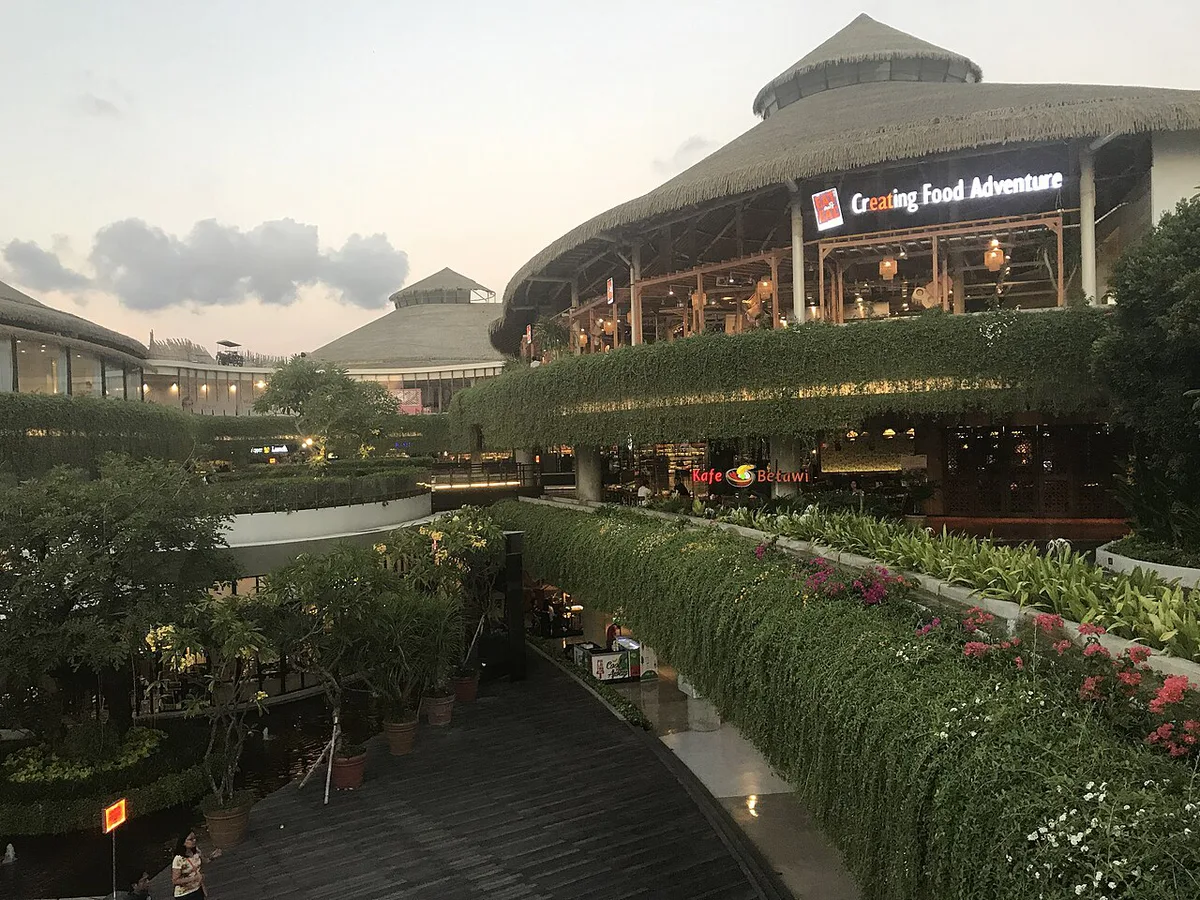
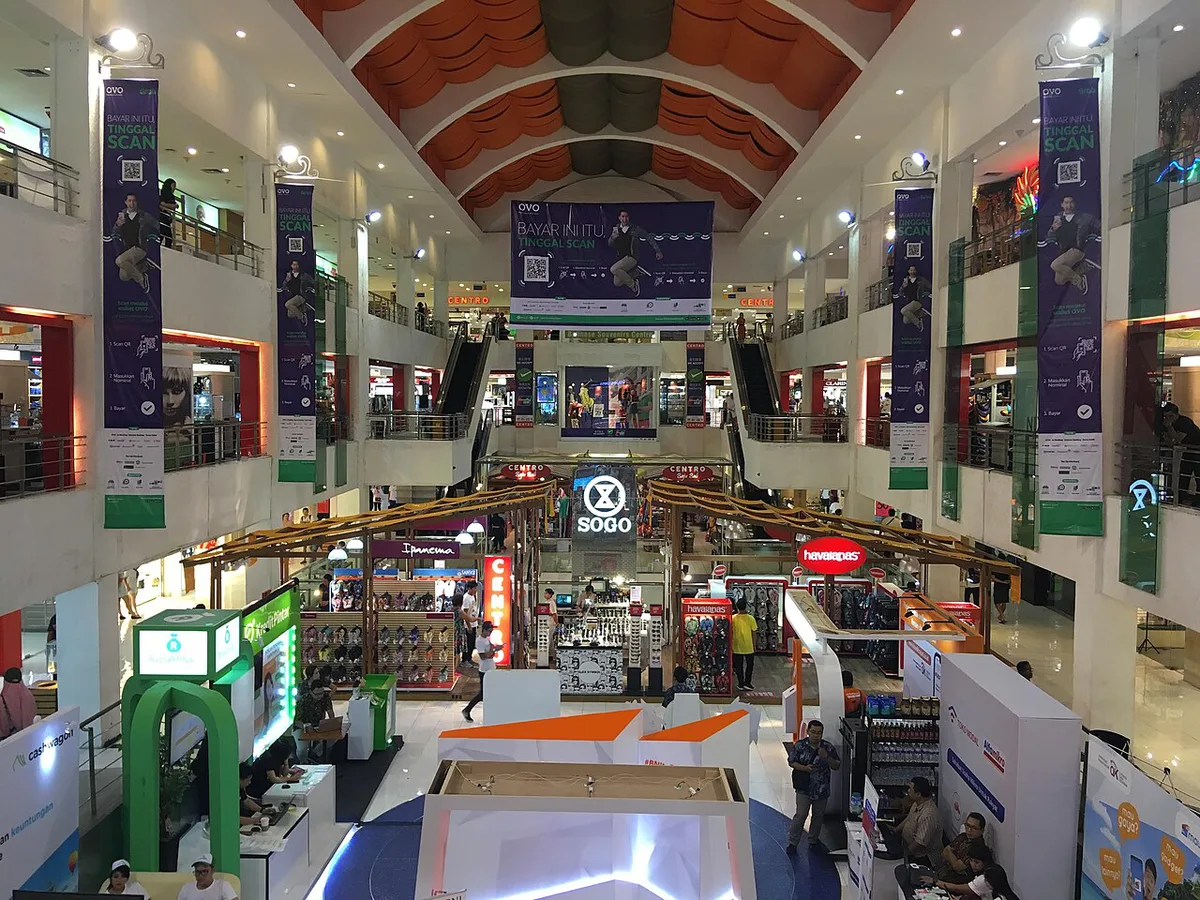
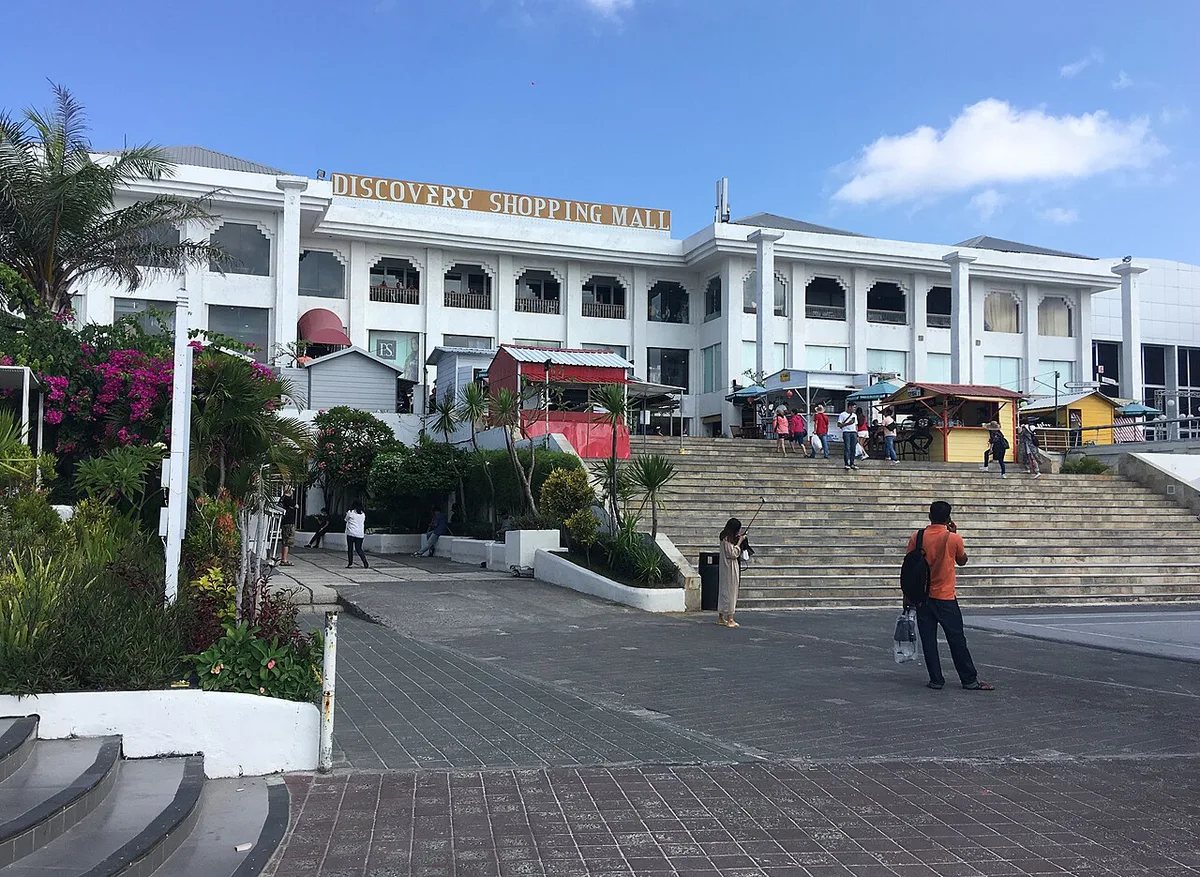
- Beachwalk Shopping Center lists its own stores on its official website. Bali Collection in Nusa Dua is an open-air option, per its official page.
- See Bali shopping malls for comparisons. Use Bali outlet stores for discount-focused trips.
- 8. Textiles: ikat and batik
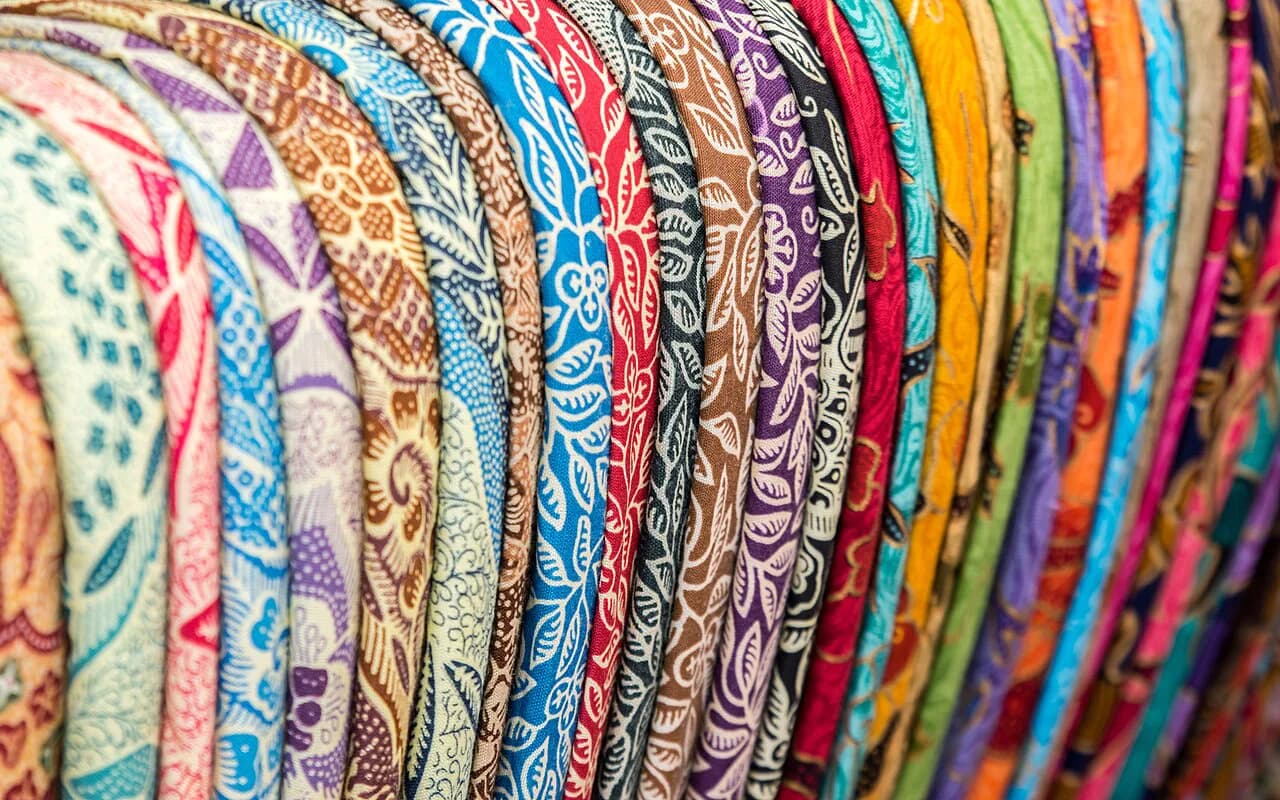
- Ikat dyes the threads before weaving. Batik uses wax-resist dyeing. Tenganan in East Bali is linked to double-ikat (geringsing), though you should verify before buying.
- Learn the differences in our Bali ikat guide. Read the Bali batik guide for printed-versus-hand-drawn checks.
Shopping in Bali by Goal: Quick Decision Table

Use this table when you know what you want but not where to go. Time needed depends on traffic, so allow a half day per area at minimum.
| Goal | Best area | Who should skip it |
|---|---|---|
| Silver jewelry | Celuk | Anyone on a tight schedule |
| Wood carving | Mas | Travelers without shipping options |
| Paintings | Ubud galleries | Shoppers wanting fixed low prices |
| Bargain souvenirs | Ubud Art Market, day markets | People who dislike haggling |
| Designer fashion | Seminyak | Souvenir hunters on a budget |
| Air-conditioned browsing | Beachwalk, Bali Collection Nusa Dua | Shoppers seeking handmade pieces |
| Evening browsing | Night markets | Anyone needing quality checks in good light |
Planning Your Shopping Day: Routes and Transport
Bali traffic can turn short distances into long drives, so avoid mixing Seminyak and Ubud in one day. Group Mas, Celuk and Ubud into one craft-village route instead. Start at the workshops in the morning, then finish with galleries and Ubud Art Market. Buying direct from a workshop lets you ask about materials. Galleries add curation and often shipping help. Tourist markets offer the lowest effort and the least certainty. Check ceremony days and public holidays locally, because some shops close. Rain-season showers favor malls and indoor galleries, while dry-season mornings suit open markets.
Costs, Bargaining and Payment
Rupiah prices change, so no figures are quoted here. Bargain at markets and small souvenir stalls where prices are not posted. Do not bargain in malls, outlets or fixed-price boutiques. Start with a polite greeting and ask the price. Make a lower offer, then settle at a price you both accept. Walking away politely is fine. Carry cash for market stalls, since many accept only rupiah. Malls and larger stores take cards, but check your bank's foreign-transaction fees. Withdraw from bank-attached ATMs, not standalone machines in tourist lanes.
How to Spot Authentic Pieces and Avoid Tourist Traps
Slow down and inspect before paying. Hand-finished work shows small irregularities. Printed copies repeat perfectly.

- Textiles
- Check the back of ikat and batik. Hand-woven or hand-drawn patterns show on both sides, while prints fade on the reverse.
- Silver
- Ask the workshop about silver content and how the price was set. Handmade pieces may carry no stamp, so ask politely and compare shops.
- Wood
- Ask which wood was used. Feel the finish and look at carved detail on the back.
- Cultural context
- The UNESCO batik listing recognizes Indonesian batik as intangible heritage, which helps explain why hand-drawn work costs more.
Shipping, Customs and Packing
No customs rule is quoted here because limits change. Check Indonesian customs (Bea Cukai) and quarantine pages for wood and plant products before buying. Also check your home country's customs agency for returning travelers. Ask galleries about shipping and insurance before paying. Wrap fragile pieces in clothing and check your airline's baggage page for size limits. Avoid turtle shell, ivory and coral products. Use the official Bali Provincial Tourism Office for current visitor guidance.

Best Souvenirs to Bring Home
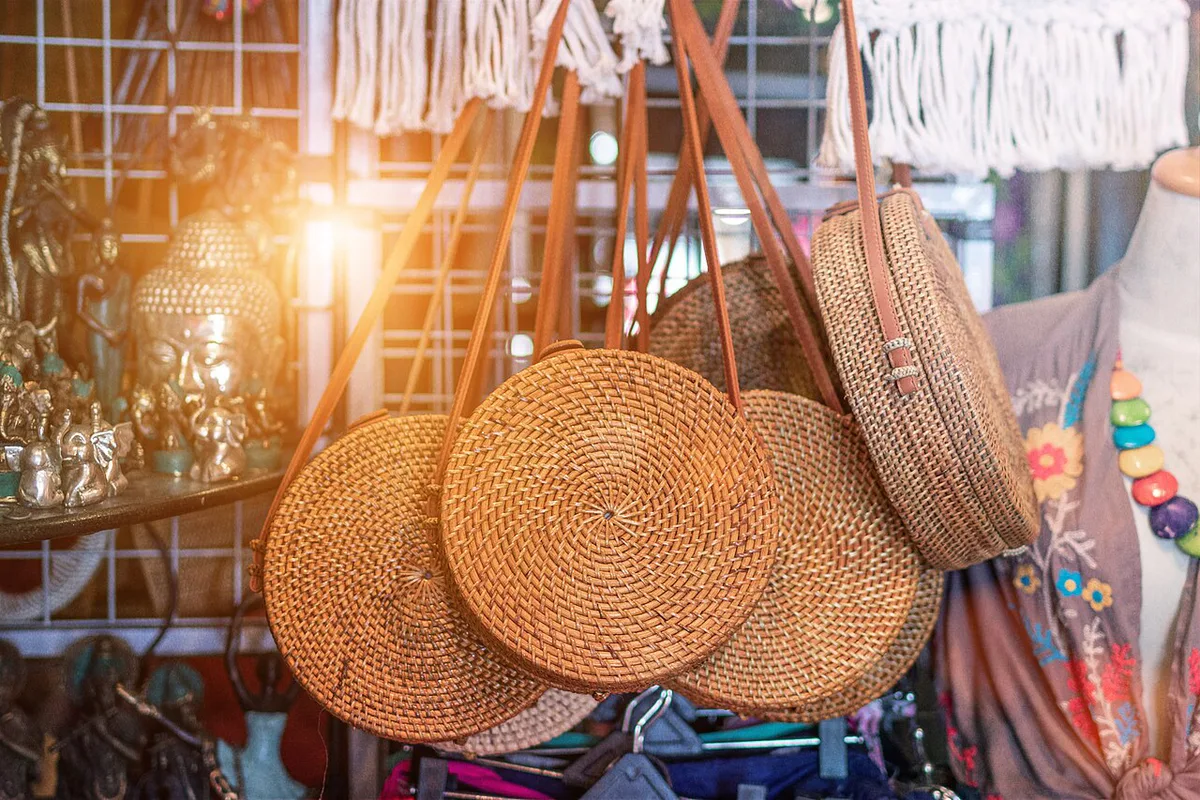
Small, durable items travel best: silver rings, woven baskets, ikat scarves and ceramics. Check each for even stitching, solid joins and a clear maker's origin. Our Bali souvenirs guide ranks picks by weight and fragility. Skip anything that smells of chemical varnish or feels unusually light for its size.
Shopping Mistakes to Avoid
Most regrets come from rushing, not from bad luck.
- Overpacking the route
- Seminyak plus Ubud in one day wastes hours in traffic.
- Skipping cash
- Market stalls may refuse cards, and you lose bargaining leverage when you need an ATM.
- Buying before comparing
- Visit two or three shops before you commit to silver or carvings.
- Ignoring shipping
- Confirm cost, insurance and delivery time in writing.
Frequently Asked Questions
Where is the best shopping area in Bali?
It depends on your goal. Ubud, Mas and Celuk suit crafts. Seminyak suits boutiques. Beachwalk and Bali Collection suit air-conditioned browsing. Pick by goal, then group nearby stops to limit traffic.
What is famous in Bali for shopping items?
Silver jewelry from Celuk, wood carvings from Mas and paintings from Ubud are well known. Textiles such as ikat, songket and batik are also popular. Check authenticity before you buy.
Explore More Bali Guides
Keep planning your Bali trip with these guides.

Bali Guides
- Bali Souvenirs: What to Buy, Where & How to Get It Home
- Bali Outlet Shopping
- Bali Shopping Malls
- Bali Batik: How to Spot, Buy and Learn the Real Thing
- Bali Silver: Where to Buy Real Jewelry and What to Check
- Bali Art Markets: Sukawati, Ubud & Guwang Compared
- Bali Markets: Best Picks by Goal, Time and Area
- Bali Night Market Guide
- Bali Ikat: Where to Buy Real Weaves & Spot Fakes
- Bali Art Galleries: Where to Go in Ubud and Seminyak
Notes for your Indonesia trip
Optional updates when we add or change a town or island guide.
You might also like


Continue reading
More guides you'll find useful