Best Time to Visit Gili Trawangan: Month-by-Month Guide
When to go to Gili Trawangan: dry vs. wet season, crowds, sea and ferry conditions, and the best month for divers, couples, and budget travelers.
On this page
Last updated November 2026. The best time to visit Gili Trawangan is the dry season, roughly April or May through October, with shoulder months offering the best balance. Our pick is May, June or September for clear water and thinner crowds. This guide covers month bands, sea crossings and who should skip the wet season, and it links to our wider Gili Trawangan activity guide.
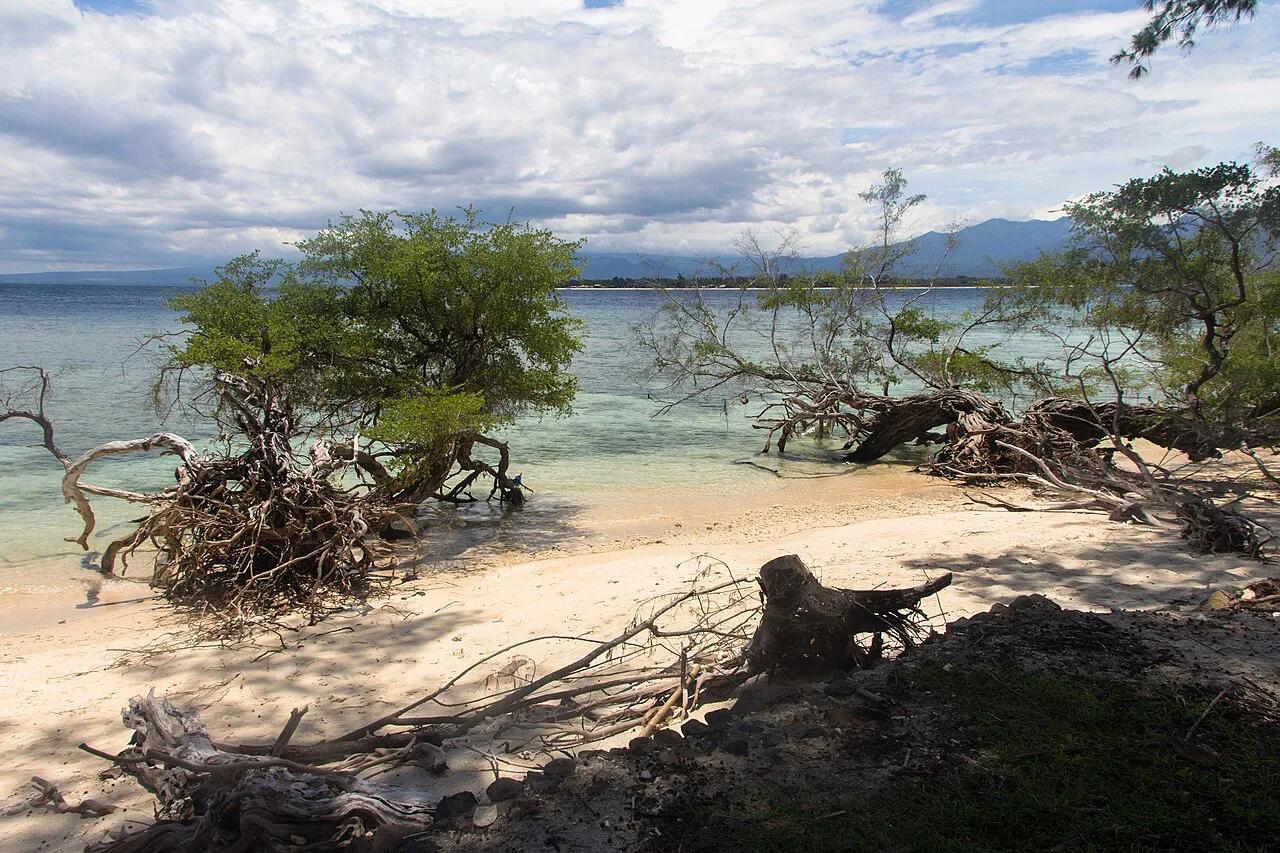
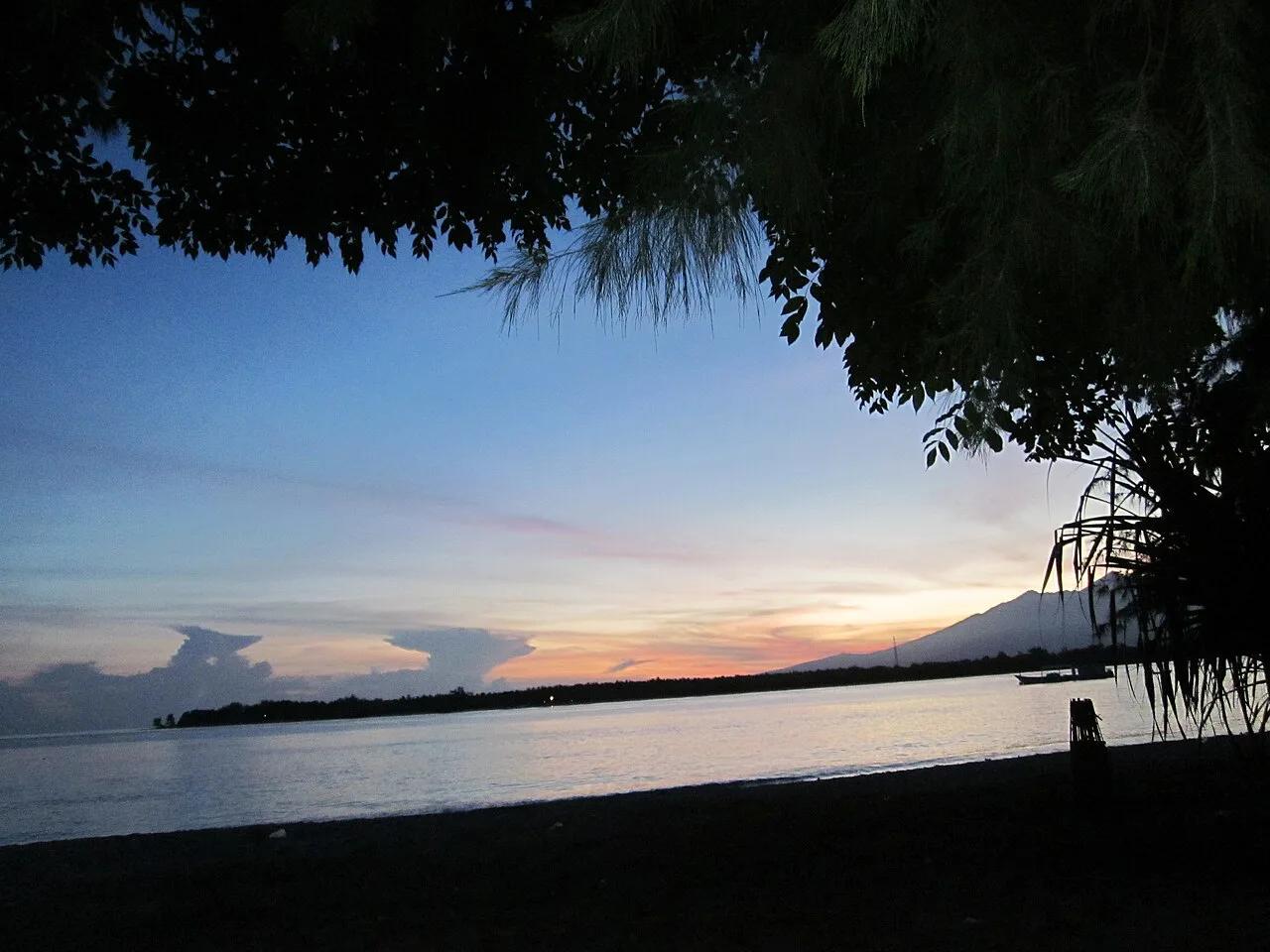
Featured image: Midori, CC BY 3.0, via Wikimedia Commons.
Best Time to Visit Gili Trawangan: The Short Answer
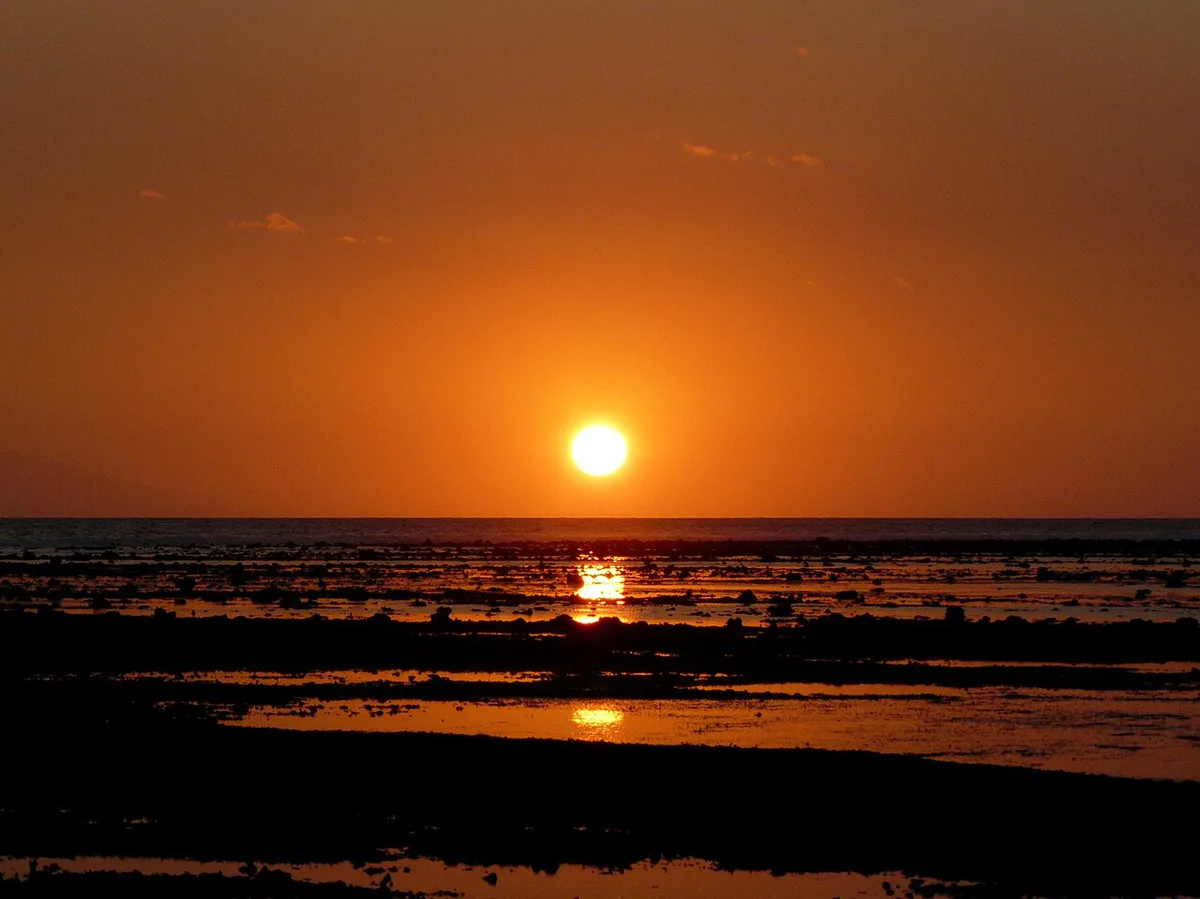
Our pick is the dry season. Sources for Bali and Lombok put it at April to October, and one dive-focused source names May to November for the Gilis. We treat May to September as the core window, with the edges as shoulder months. Wet-season rain peaks in January and February, according to the same regional source. Exact Gili-specific rainfall is not in our brief, so check BMKG, Indonesia's meteorological agency, before you lock dates. For general trip planning, Indonesia's official tourism site is a sensible starting point. How we verified: we compared three published sources and flagged every figure that no official source confirmed.
Gili Trawangan Seasons at a Glance
Treat this table as a planning aid, not a forecast. Entries marked "typically" are patterns, not measured data. Daytime highs typically sit near 30°C (86°F) year-round, and sea water typically stays around 27°C (81°F).
| Season | Rain and humidity | Sea and visibility | Crowds and rooms | Boat comfort | Best for |
|---|---|---|---|---|---|
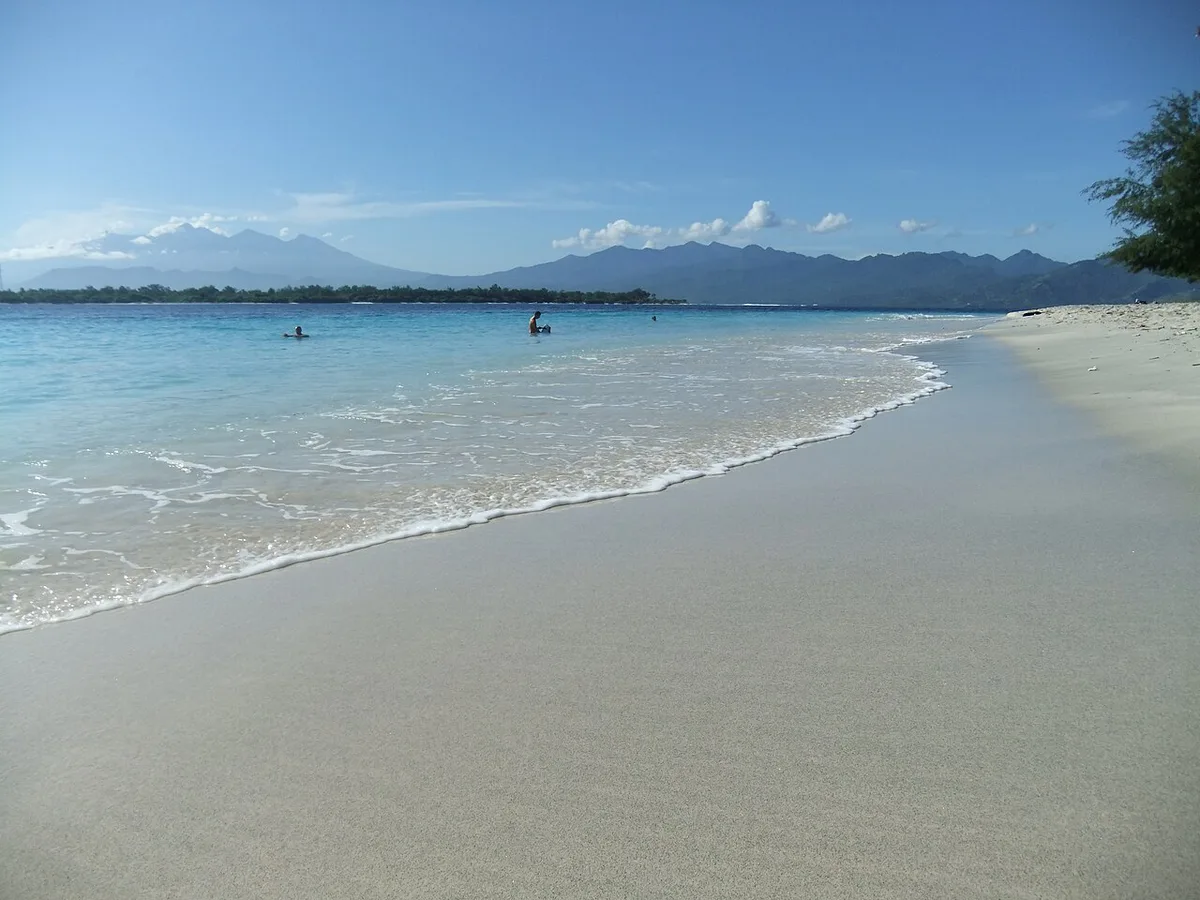
| Dry (about May–Sep) | Least rain, sunniest skies | Typically the clearest water | Busiest, with August reported as overcrowded | Typically calmer | Divers, snorkelers, first-timers |
| Shoulder (about Apr, Oct, Nov) | Mixed, rain showers possible | Typically good, varies | Moderate, easier to find a bed | Mixed | Flexible budget travelers |
| Wet (about Dec–Mar) | Heaviest rain Jan–Feb, higher humidity | Typically less predictable | Quietest | Typically rougher, check operators | Remote workers, quiet seekers |
Month-by-Month Guide
These bands combine regional dry and wet season dates with the crowd reports in our sources. Treat each as a verdict, then confirm with current forecasts.
- January–February: wettest and most humid. Choose this if you want quiet streets and accept cancelled plans.
- March: still wet, easing. Choose this if you want low crowds with improving odds.
- April: start of the dry season on the regional calendar. Choose this for a shoulder-price bet.
- May–June: our favorite window. Choose this for clear water without peak-month crowds.
- July–August: peak holiday period. Choose this only if dates are fixed; one source calls August overcrowded.
- September: dry and calmer. Choose this for diving and snorkeling with fewer people.
- October: dry season tail. Choose this for flexible travelers who can watch the forecast.
- November–December: rain returns. Choose this for budget stays and quiet nights.
Best Time by Traveler Type
Match your window to your priority, then accept the trade-off.
- Divers and snorkelers: May to September. Trade-off: more boats and people at popular sites.
- Budget backpackers: April, October or November. Trade-off: showers.
- Honeymooners: May, June or September. Trade-off: book beachfront early.
- Party-goers: July and August. Trade-off: noise and crowds. See Gili T nightlife options.
- Families: May, June or September. Trade-off: less choice than July.
- Remote workers: December to February. Trade-off: one source notes Wi-Fi is generally reliable unless it is raining.
- Short-trip visitors: the dry season. A rain day costs you a larger share of a short stay.
Dry Season vs. Shoulder vs. Wet Season: The Trade-Offs
Peak dry season gives the best sea and sunsets but the highest accommodation pressure. Beachfront rooms are reported to sell out fast in peak months, and one source says even a hostel can be booked solid months ahead. Shoulder months trade some certainty for easier availability. Wet season is quietest, but boats and plans are the most exposed. We would skip the wet season if you have only a few days and want to dive. We would choose it if you work remotely and prefer empty lanes. No sourced price swing exists in our brief, so compare room rates for your dates directly. Fixed costs barely move: bike rental is about Rp 40,000 per day, whatever the month.
Sea water typically stays around 27°C (81°F), so the trade-off in the wet months is rain, crowds and boat motion more than warmth.
What Changes with the Seasons: Snorkeling, Diving, Sunsets, Cycling
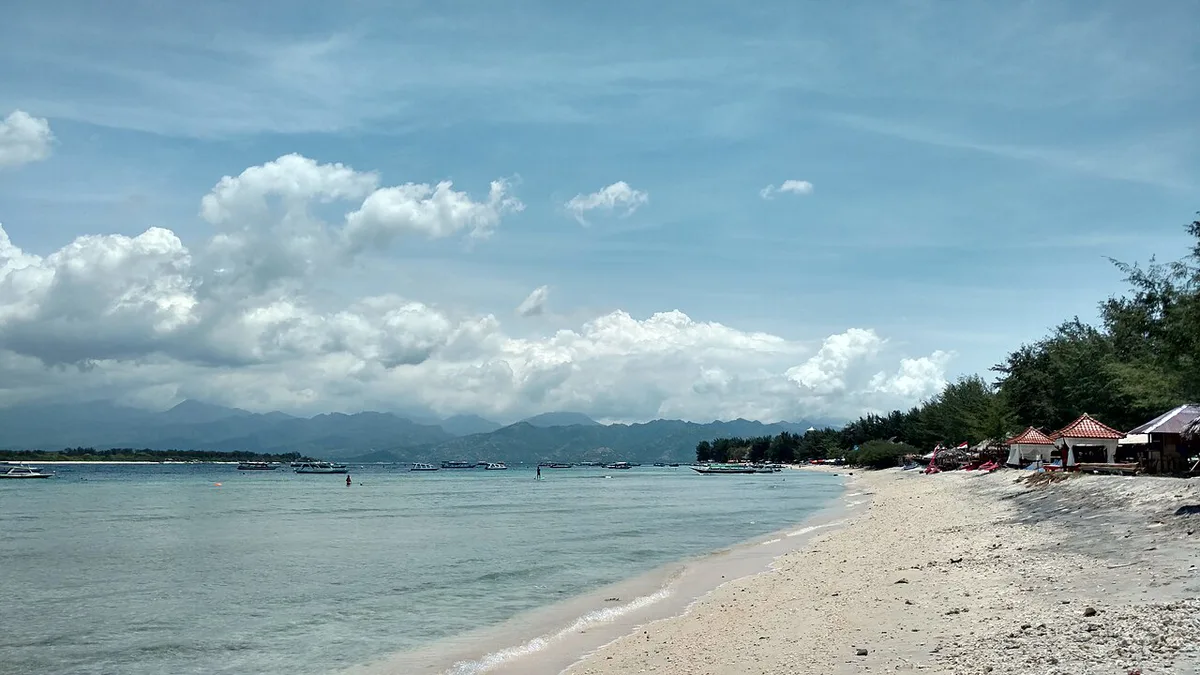
Snorkeling and diving are best in the dry season, when sources describe high visibility. Turtles are an "if you are lucky" sighting, never a promise. The underwater Nest sculpture, 48 statues installed in 2017, is a popular snorkel stop. For reef and turtle background, see Gili Eco Trust. Sunsets face the west side, where beach bars fill up in dry months. Cloud and rain can cost you the show in wet months. Cycling east to west takes up to 30 minutes, and one source says a bike helps you avoid puddles in the rainy season. Our getting around guide covers bikes and cidomo. Runners should go early or late, because the track is hot at midday. For underwater conditions by beach, see Gili T beach conditions.
A ride from east to west can run up to 30 minutes, and a bike at about Rp 40,000 per day costs the same in every month.
Getting There in Each Season: Boats and Sea Conditions
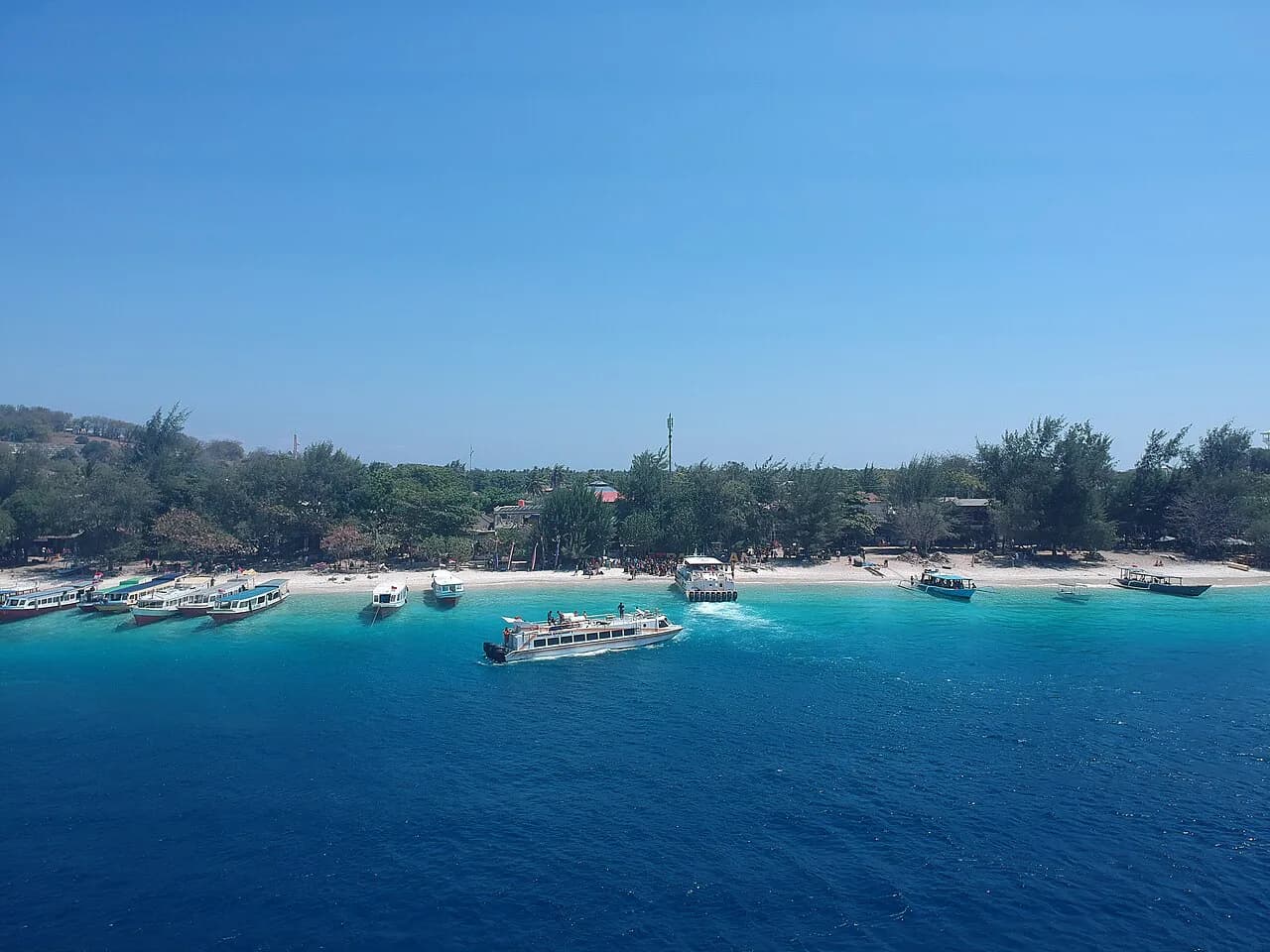
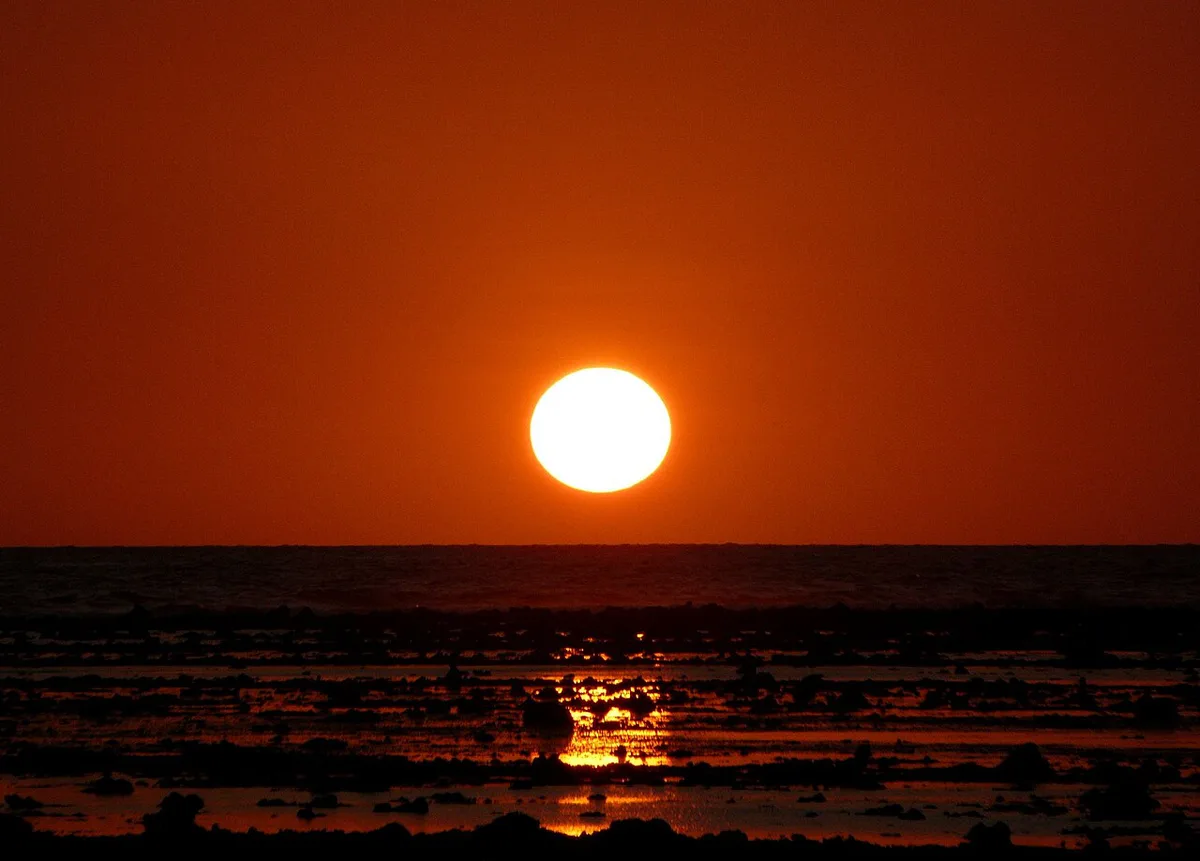
Fast boats from Padang Bai take around 2 hours. Sanur and the Nusa Islands also have boats, and Bangsal on Lombok has fast and public options. Sea crossings are typically calmer in the dry season. In the wet season, bring motion-sickness tablets and leave slack in your itinerary. Check each operator's cancellation policy for rough weather before paying. Read our ferry guide for operator checks. Bali departures are covered in our Bali route guide. Lombok and flight connections are in the full access guide. Never rely on the last boat of the day, since a delay can strand you.
Booking Timing and Budget Tips
Book rooms and fast boats earliest for July and August. Shoulder months allow shorter lead times, but beachfront still goes first. Dive courses need a confirmed start date, so book them before boats. In wet months, pick refundable rooms. Our where to stay guide explains the sunset and party side versus the quiet side. Yoga drop-ins run about Rp 150,000, which is worth knowing for a rain-day budget. For rainy-day ideas, see Gili T tours. Boat trips to other islands are in our day trip ideas.
Local Rhythms to Plan Around
Gili T has no motor vehicles, so you will see bicycles, e-scooters and horse carts called cidomo. The call to prayer sounds 5 times a day and carries across the small island. Ramadan dates move each year and may change nightlife and restaurant hours. Check the Indonesian Ministry of Religious Affairs calendar for exact dates. Bars on the west side can run until 4 am in busy months. Choose your room with that in mind. Our restaurant guide helps with dining plans.
Mistakes to Avoid
Bali weather is not Gili weather, so check Lombok-area forecasts. Do not book the last boat of the day. Skipping motion-sickness prep ruins a rough crossing. Peak season is not quiet, even on a small island. Beachfront rooms facing the sunset strip can be loud at night. If you are still undecided, read whether Gili T is worth visiting. Surf timing is unverified here, so see our surf page instead.
Frequently Asked Questions
How long does it take to cycle around Gili Trawangan?
One source says cycling from east to west takes 30 minutes at most. Plan longer if you stop for sunsets or snorkeling.
What are the best months to visit Bali?
One regional source gives April to October as the best period for Bali and Lombok. The wet season runs November to March, with heaviest rain in January and February.
Notes for your Indonesia trip
Optional updates when we add or change a town or island guide.
You might also like
Continue reading
More guides you'll find useful