
Ampel, Surabaya: What to See and Expect in the Old Arab Quarter

Ampel suits travelers who want a working pilgrimage quarter rather than a museum piece, and it rewards about half a day on foot. It is a kelurahan in Kecamatan Semampir in north Surabaya, wrapped around Masjid Agung Ampel and the grave of Sunan Ampel, one of the Wali Sanga. This guide stays inside the district: its layout, its market lanes, who it fits, and how to arrive and move through it.
Plan on heat, narrow lanes and steady pilgrim traffic rather than a neat sightseeing circuit. The district's identity comes from a majority Arab-descended community that has kept Middle Eastern food and goods alive alongside the religious sites, which is why walking the streets matters as much as seeing the mosque. If you want air-conditioned comfort and cafes between stops, base yourself elsewhere in the city and treat Ampel as a focused outing.
Where Ampel Sits in Surabaya
Ampel occupies the far north of the city in Kecamatan Semampir, well away from the central hotel and shopping districts. That position matters for planning: you are not wandering into Ampel from a downtown cafe, so treat the trip as a deliberate run north. For orientation across the rest of the city, the Surabaya Neighborhoods: 6 Area Guides shows how the north relates to the center and south.
Its historic weight sits alongside Surabaya's older port and old-city zone, even though Ampel is a distinct district with a more devotional rhythm. Read that connection as context rather than as an itinerary: Ampel's own lanes are compact enough that you can walk the core without crossing the city. If your trip also includes the shopping and heritage streets downtown, keep Tunjungan Surabaya as a separate half day rather than trying to pair it with Ampel.

The Character of the District
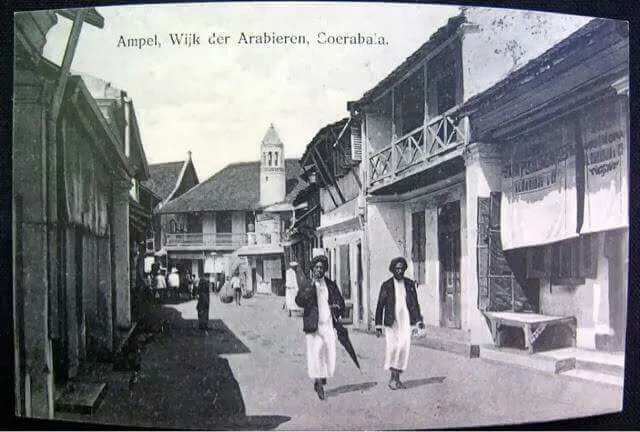
Ampel is a pilgrimage quarter first and a market quarter second, and the two overlap constantly. Pilgrims arrive for the mosque and the tomb, while residents sell food and goods in the streets around them, so the atmosphere shifts through the day with the flow of visitors. Expect a dense, lived-in neighborhood rather than a polished heritage zone.
The Arab-Indonesian layer is what distinguishes Ampel from other religious stops in East Java. Middle Eastern food and goods remain part of daily trade, and the community has kept that culture going alongside its role as a destination for pilgrims. Walk slowly through the side lanes off the main approach and the food culture becomes the main event, not a footnote to the mosque.

Masjid Agung Ampel and Sunan Ampel's Tomb
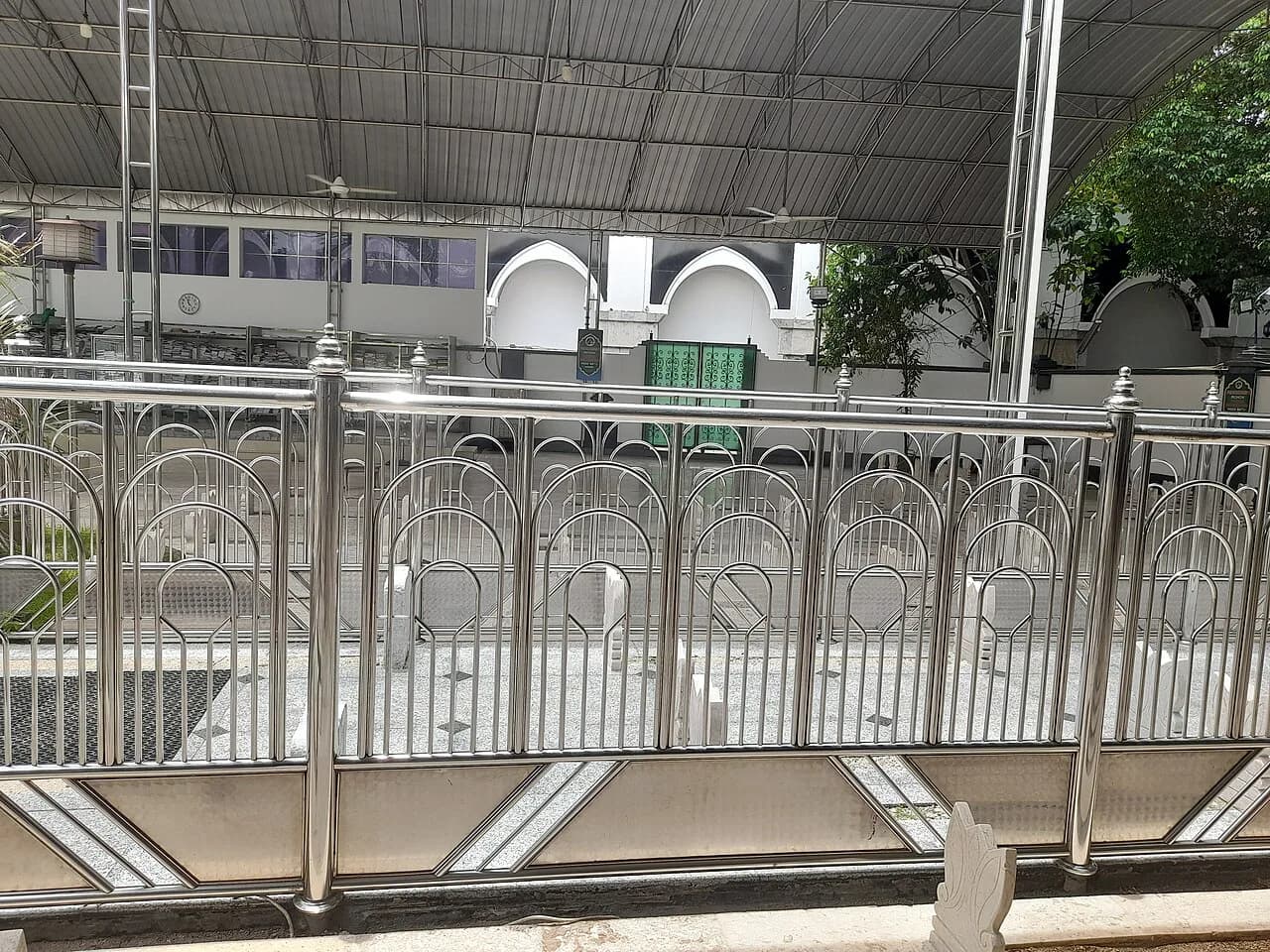
Masjid Agung Ampel is the anchor of the district: an old mosque in the Ampel area of Kecamatan Semampir, in north Surabaya, associated with the legacy of Sunan Ampel and still in active devotional use. Visitors move through a religious complex rather than a tourist attraction, so the mosque and the grave area set the pace of your visit. Courts and entrances fill with worshippers, and movement can slow accordingly.
The tomb of Sunan Ampel is closely associated with the mosque complex and is the reason many visitors come, with pilgrims traveling specifically to pay respects at the grave of the Wali Sanga figure. Visitors describe the mosque as a landmark of Islam in Java, with the saint's tomb as its central draw. No single public source sets out visitor hours, prayer-time restrictions or a fee for the tomb, so confirm locally on the day rather than planning around a published schedule.
Treat entry charges and any donation arrangements as unconfirmed. Nothing in the published material reviewed here states an amount to enter the mosque or the tomb, so ask at the site or check with your driver before you commit cash. The same caution applies to the mosque's founding date: the available sources only partially describe it, so avoid repeating a specific year as fact unless you have confirmed it with a more complete history.
Pasar Ampel and the Market Streets
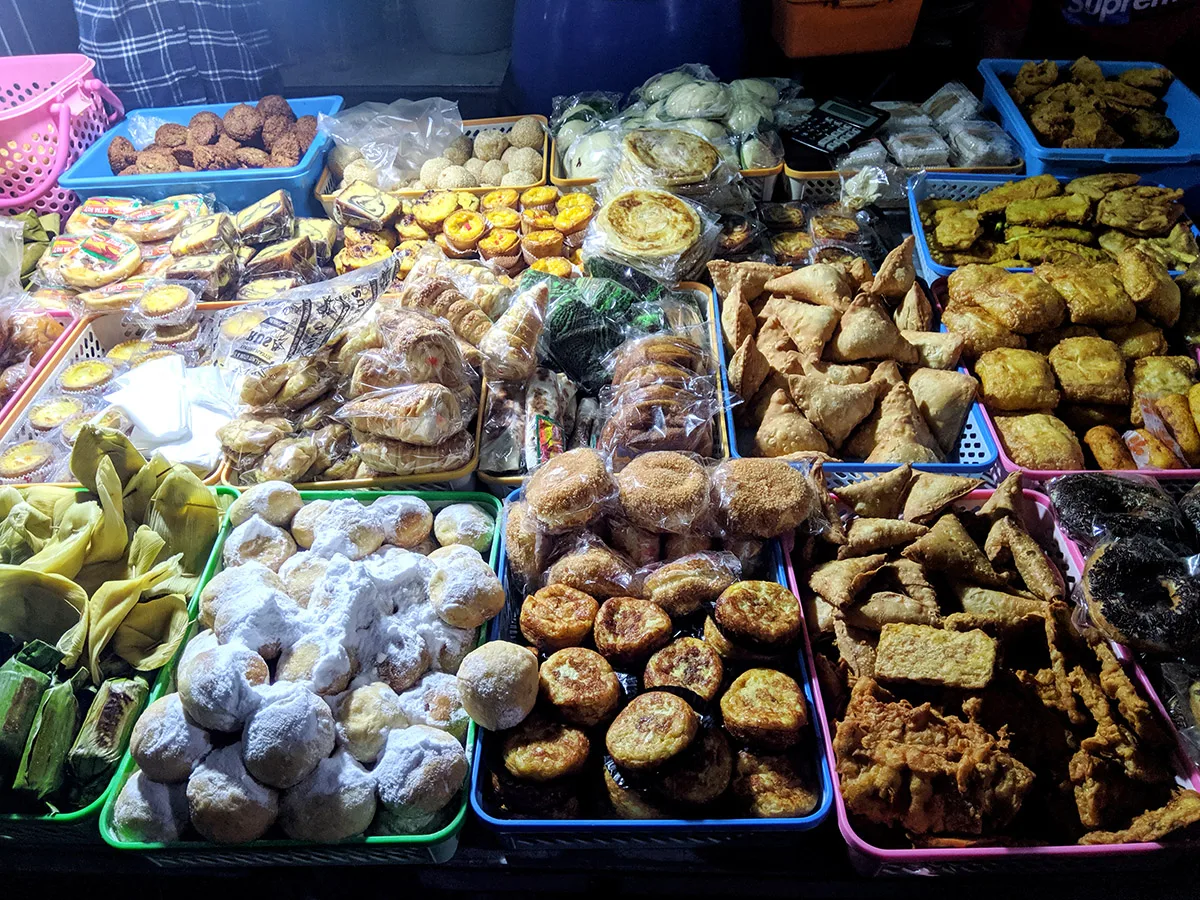
Pasar Ampel and the surrounding lanes function as the district's market and bazaar, and this is where the quarter feels most alive. Food stalls and small traders cluster around the mosque approaches, and the bazaar's snacking culture is prominent enough that local coverage of the district focuses on it. Come hungry and graze rather than planning a sit-down meal in a specific venue.
The streets sell both everyday goods for residents and items aimed at pilgrims, so the mix is practical rather than curated for tourists. That means narrow passages, uneven footing and a lot of foot traffic near the mosque entrances; keep bags close and expect to move at the crowd's speed. It is the kind of place where you see more by pausing at a stall than by ticking off a list.
Where to Eat Inside Ampel
Eat in the market lanes around the mosque rather than hunting for a named restaurant. Middle Eastern dishes sit alongside Indonesian staples, and the food stalls are part of the same streetscape as the pilgrimage traffic, which makes eating here a natural part of the walk. Because no specific venue in Ampel is confirmed by the sources behind this guide, pick a busy stall, check the price before ordering, and pay in rupiah.
The trade-off is comfort. Seating is limited and basic, the lanes are hot at midday, and the busiest stalls near the mosque run on pilgrim rhythms rather than fixed visitor hours. If you need a guaranteed table and air conditioning, eat before you arrive in the north or afterward back in the center. Otherwise, a late-morning graze through the bazaar is the most rewarding approach.
Who Ampel Suits, and Who It Does Not
Ampel suits travelers interested in living religious culture, Indonesian Islamic history and street food, and who are comfortable in dense crowds and heat. It also suits anyone who wants to see a side of Surabaya beyond the malls and colonial-era streets. Budget roughly half a day, including the journey north and back.
It does not suit travelers seeking a quiet monument with clear signage, flat walking and predictable opening times. If you are traveling with someone who struggles in crowds or heat, or you have only a few hours in the city, the trip north may not repay the effort. Put the time downtown instead, where Tunjungan keeps sights, shops and food within easier reach.
Where to Stay In or Near Ampel
Most travelers base themselves outside Ampel and visit for a few hours, and that is the sensible default. The district is a residential and pilgrimage quarter, not a hotel zone, and no accommodation in Ampel is confirmed by the sources used here, so we do not recommend a specific property. Staying near the center or around Gubeng, Surabaya puts you closer to transport links and evening food.
If you prefer to stay closer to the north, check booking sites for current listings in Kecamatan Semampir and read recent reviews for noise and access, since pilgrim traffic can affect the streets around the mosque. Ask whether a driver can reach the entrance or whether the last stretch is on foot. That single question shapes how manageable an early visit will be.
Getting There and Moving Around
The last stretch into Ampel is on foot, whatever gets you to the north of the city, because the lanes around the mosque and market are not built for convenient car access. Ride-hailing apps and private drivers can drop you near the district, but plan the final approach as a walk. No public source reviewed here confirms which train station or terminal serves Ampel best, so ask your driver or hotel to confirm your arrival point rather than guessing.
Once inside, walking is the only way around, and the circuit is small enough to cover in an hour or two at a slow pace. Wear shoes that handle uneven ground and carry water, because shade in the market lanes is patchy. Agree on a pickup point at the edge of the district before you start, since finding a driver in the narrow streets can eat into your day.
How Long Ampel Needs
Give Ampel two to three hours on the ground, plus travel time each way from wherever you are staying. That is enough to walk the market lanes, spend time at the mosque and tomb, and eat something from the stalls without rushing. If you are combining stops, keep the pairing local: adding a distant sight on the same morning usually means spending more time in traffic than in the district.
Build slack around prayer times, because the site is in active religious use and the complex can be busier or more restricted during worship. No published material gives a visitor timetable, so treat any hours you see online as unverified and confirm on arrival. A flexible half day beats a tightly scheduled one here.
Practical Notes Before You Go
Ampel is an active religious site, so dress modestly and expect worshippers to be given priority in the mosque and around the tomb. Keep voices low in prayer areas and ask before photographing people. No source here confirms visitor rules or restrictions, so follow signage and staff direction on site.
Check current arrangements for the mosque and tomb on the day, including whether any part of the complex is closed for ceremonies or maintenance, and carry cash in rupiah for market food. If time allows, pair Ampel with a second neighborhood on a different half day, such as Gubeng for transport and food, so each area gets unhurried attention.
Is Ampel Worth the Trip North?
Yes, if you want a living pilgrimage quarter with real market food and are willing to trade polish for atmosphere. Go in the morning, walk rather than drive the last stretch, eat from the stalls, and give the mosque and tomb the time they deserve.
No, if your priority is comfortable, well-signed sightseeing with fixed hours and easy transport. In that case, cluster your time where the Surabaya Attractions sit closer together, and treat Ampel as a specialist stop for a slower visit.
Explore more Surabaya guides
Frequently Asked Questions
Where is Sunan Ampel buried?
Sunan Ampel's tomb is within the Masjid Agung Ampel complex in the Ampel district of Kecamatan Semampir, in north Surabaya. The grave is the focal point for pilgrims visiting the mosque, and visitors move through the complex around it.
Do I need a ticket or donation to visit Sunan Ampel's tomb?
No published ticket price or donation amount is confirmed in the sources reviewed here. Ask at the site or check with your driver or hotel before you arrive, and carry cash in rupiah in case a donation is expected.