
Gubeng, Surabaya: What the Station District Is Really Like

Gubeng is worth choosing as your Surabaya base only if a long-distance train is part of your plan; otherwise it is a practical transit district rather than a sightseeing neighborhood. It sits in the center of the city around Stasiun Surabaya Gubeng on Jalan Raya Gubeng, and this guide covers its character, layout, transport connections, and where to sleep and eat within it.
Think of the district as two layers: the station itself and the commercial blocks that wrap around it. Travelers who want walkable heritage streets or a mall-centered evening usually pick a different part of the city, and that trade-off is worth understanding before you book a room here.
What and Where Gubeng Is
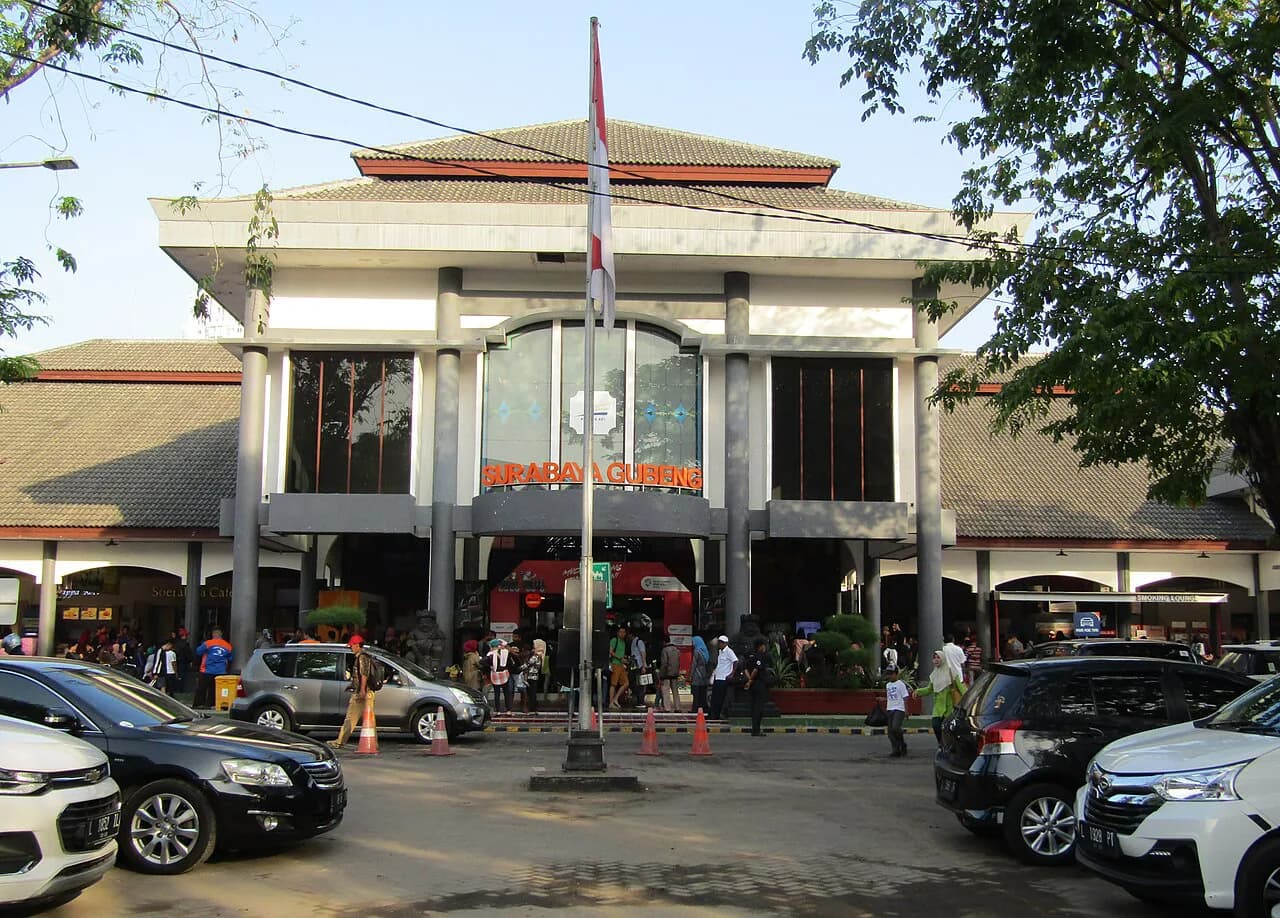
Gubeng is a central kecamatan, or district, of Surabaya in East Java, and its identity is inseparable from the railway station that carries its name. The station's three-letter code is SGU, which is what you will see on booking systems and departure boards.
Travel accounts describe the station as sitting on Jalan Raya Gubeng, the district's broad commercial spine lined with offices, shops, and shophouses. A separate small road nearby carries the name Jalan Stasiun Gubeng, so an address on one street can be a short walk from the other; give your driver the full street name and number from your booking rather than an assumed landmark.
One travel-account description dates the station to 1914, when it served the Nederlands-Indische Spoorweg Maatschappij line, and says a major renovation in the 2010s blended the classic design with modern elements. Treat that origin story as background color rather than a reason to plan a visit, because the station today functions as a working transport hub.

Who Gubeng Suits, and Who It Does Not
Gubeng suits travelers with a train to catch or a train just arrived: an early departure to Yogyakarta, Malang, or Jakarta is far less stressful when your hotel is minutes from the platform. It also works for business travelers with meetings in the surrounding commercial blocks, which are the reason the district stays busy through the working day.
It suits you less if your Surabaya wish list is old-town streets, colonial architecture, and evening strolling. Those experiences concentrate elsewhere, and staying in Gubeng means adding a ride to reach them. If heritage is your priority, weight your nights toward Tunjungan Surabaya instead and treat Gubeng as a station you pass through.
Travelers chasing a resort-style base with pool time and quiet grounds should also look outside Gubeng, where the streets around the station are built for movement and commerce rather than lounging. The honest summary is that this is a functional district with a strong rail advantage, not a destination in itself.

The Station as the Anchor
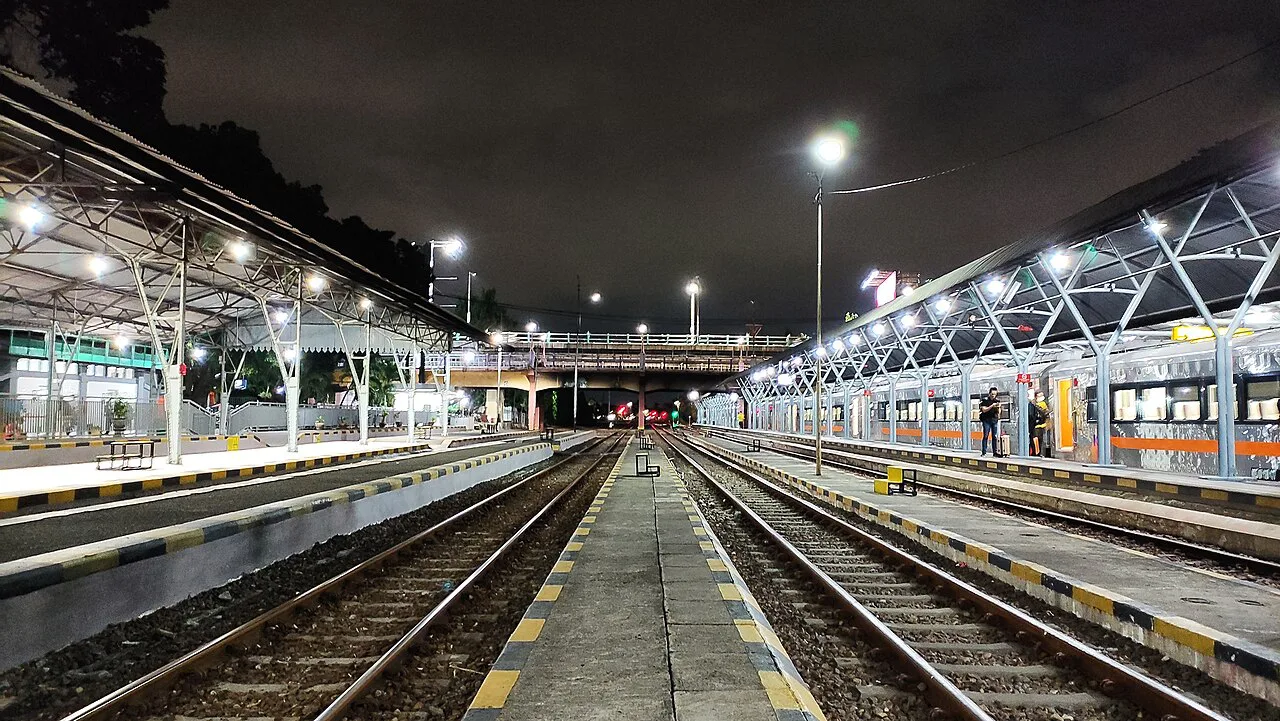
Stasiun Surabaya Gubeng is one of Surabaya's main long-distance stations, which is why so many Java rail itineraries start or end here. If you are booking a KAI train, check which Surabaya station your service uses before arranging a hotel, since the city has more than one.
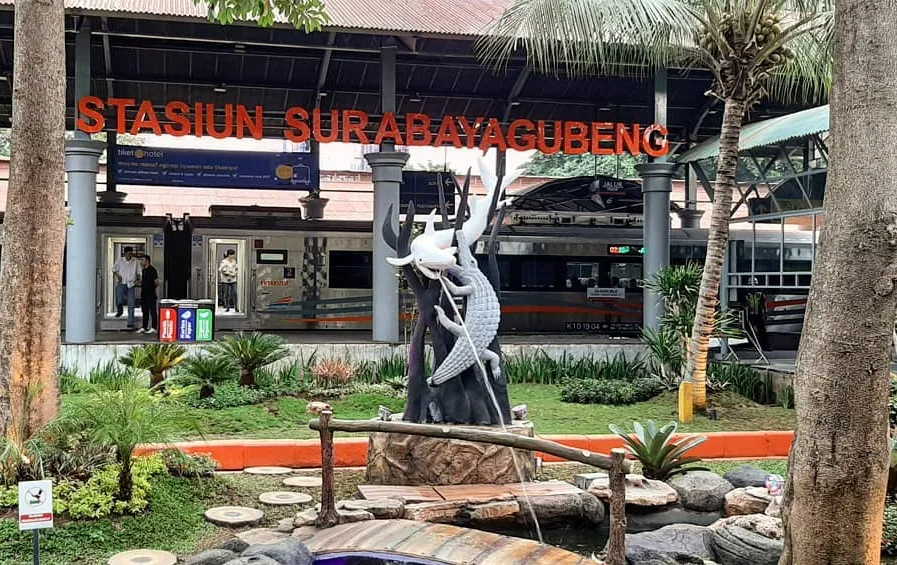
The station has been renovated and expanded rather than left as the 1914 original, so do not arrive expecting an untouched colonial hall to photograph, though travel accounts describe the classic design as partly retained. Its value to a traveler is straightforward: ticketing, platforms, and the commercial activity that clusters around a station of this size.
Because the station doubles as a landmark in its own right, it draws a steady flow of people beyond ticket holders, and weekends and public holidays bring heavier crowds. Build buffer time around departures rather than cutting it close, and use the station's own signage and staff for platform changes instead of relying on third-party listings.
Layout and Orientation
Orient yourself by Jalan Raya Gubeng first: it runs past the district's commercial frontage and is the street name your driver will recognize. A nearby access road carries the name Jalan Stasiun Gubeng, so give your driver the full address from your booking and ask to be dropped at the station's designated drop-off rather than on the main road.
The blocks immediately around the station mix offices, shops, and food businesses, which means the area has a working-day rhythm rather than a tourist one. Expect traffic on the main road at peak commuting times, and plan short hops across the district accordingly.
For orientation beyond Gubeng itself, the wider Surabaya Neighborhoods: 6 Area Guides set explains how this district sits relative to the old town, the riverfront, and the southern commercial areas. Read it before you finalize a hotel, because picking the right district matters more in Surabaya than picking the right street within it.
Getting In and Out
Long-distance KAI trains are the obvious way in, and the station handles arrivals and departures throughout the day. Timetables shift with each scheduling period, so confirm your service on KAI's official booking channels before you commit to a hotel night or a connecting ride.
For the last leg to your hotel or onward to another district, ride-hailing apps such as Grab and Gojek and metered Bluebird taxis all operate in Surabaya. Set the pickup point carefully inside the station area, because drivers and passengers often struggle to find each other at busy rail hubs.
Gubeng also works as a transfer point: arrive by train, then continue by car or app to the old town around Ampel Surabaya or to heritage streets elsewhere in the city. That makes the district a logistics decision as much as an accommodation one, and a single night here can bridge two rail legs neatly.
What Is Walkable From the Station
Within walking distance you get the station itself, the Jalan Raya Gubeng commercial strip, and the surrounding office and shop blocks, which is enough for a meal, an ATM run, or a pharmacy stop between trains. This is the district's real strength: errands and connections on foot.
Anything that counts as sightseeing in Surabaya needs a ride rather than a stroll. Plan on using an app or taxi for the old town, the museums, and the riverfront areas, and budget realistic travel time given the city's traffic.
If you want a sense of what those rides are for, the Surabaya Attractions: 15 Visitor Guides hub lists the city's main stops and how each one fits a day. Use it to decide whether your Gubeng night is purely logistical or whether you have time to head out.
Where to Stay in Gubeng
The core decision is distance from the tracks: a hotel close to the station frontage minimizes the walk with luggage for an early departure, while a few blocks away along Jalan Raya Gubeng buys quieter nights at the cost of a short ride or walk. Match the choice to your departure time rather than to star ratings.
Book on the basis of a stated walking distance to the station entrance, and check whether the property names Jalan Stasiun Gubeng or Jalan Raya Gubeng in its address, since the two imply different last legs with bags. Rates vary by season and demand, so compare current prices in the booking platform rather than relying on any figure quoted secondhand.
If your trip pairs a Surabaya stop with a southern rail leg, comparing this area with Wonokromo Surabaya can clarify which station-side base saves you the most transfer time. Neither is a sightseeing district; the question is purely which platform you need next.
Where to Eat in and Around Gubeng
Eating in Gubeng is a matter of convenience: the station and its immediate surroundings support quick meals before or after a train, and the Jalan Raya Gubeng frontage adds street-level food businesses aimed at office workers. Plan on simple, fast options rather than destination dining.
For a proper sit-down evening, many travelers take a short ride to the Tunjungan, Surabaya area, where the shopping and hotel concentration supports a wider choice. That is the trade-off of sleeping in Gubeng: you gain departure ease and give up an evening scene on your doorstep.
Whether specific outlets in the station are open when you pass through depends on the hour and the operator's arrangements, which change without notice. Check on arrival rather than assuming a late-night meal will be available.
How Long Gubeng Needs
Treat Gubeng as a few-hour transit stop if you are only changing trains: arrive, eat, and move on. The station and its immediate streets do not reward a sightseeing block, so there is no reason to build an afternoon around them.
One night is the sweet spot if you have an early departure or a late arrival, because it removes the risk of a cross-city dash at an awkward hour. Two nights only makes sense if you plan to use the district as a rail-linked base while exploring the rest of Surabaya by app or taxi.
Practical Timing at the Station
Weekends and public holidays bring noticeably heavier crowds to the station, so add margin on those days for queues at entrances and ticket checks. The described pattern is general crowding rather than a published schedule, so treat your own travel date as the thing to verify.
Build buffer time before long-distance departures: aim to be at the station well ahead of your train rather than timing your arrival to the minute. If you are connecting from a flight or a bus, add extra slack, since Surabaya traffic can stretch a short ride.
Check current details before you travel. Confirm your train's departure station and time through KAI and confirm which station facilities are operating on the day through the station itself, then leave the rest of your Gubeng plan flexible.
Should You Base Yourself in Gubeng?
Choose Gubeng if a KAI long-distance train anchors your Surabaya stop and you value a short walk to the platform over an atmospheric evening. Book close to the station for dawn departures, and accept that sightseeing will mean a ride.
Skip it if your trip is really about the old town, heritage streets, or a slower city stay; in that case read the Surabaya Neighborhoods guide and put your nights where the walking is good. Use Gubeng for what it does well, which is moving you onward.
Explore more Surabaya guides
Frequently Asked Questions
Is Gubeng a good area to stay in Surabaya?
It is a good area if a long-distance train is part of your trip and you want a short transfer with luggage. It is a weaker choice if you want walkable heritage sights or an evening scene, since those need a ride from Gubeng.
How do I get from Stasiun Surabaya Gubeng to other parts of the city?
Use a ride-hailing app such as Grab or Gojek, or a metered taxi, and set a precise pickup point inside the station area. Confirm the meeting spot with your driver, since large rail hubs are confusing for both sides.
Does Gubeng have sightseeing within walking distance?
Not really. The walkable radius is the station, the Jalan Raya Gubeng commercial strip, and nearby shops and food businesses. Museums, the old town, and the riverfront require a ride.
Which station should I check for my train, Gubeng or another Surabaya station?
Check the station named on your KAI booking, because Surabaya has more than one and Gubeng handles long-distance services. Confirm the departure station and time through KAI before booking a hotel nearby.