
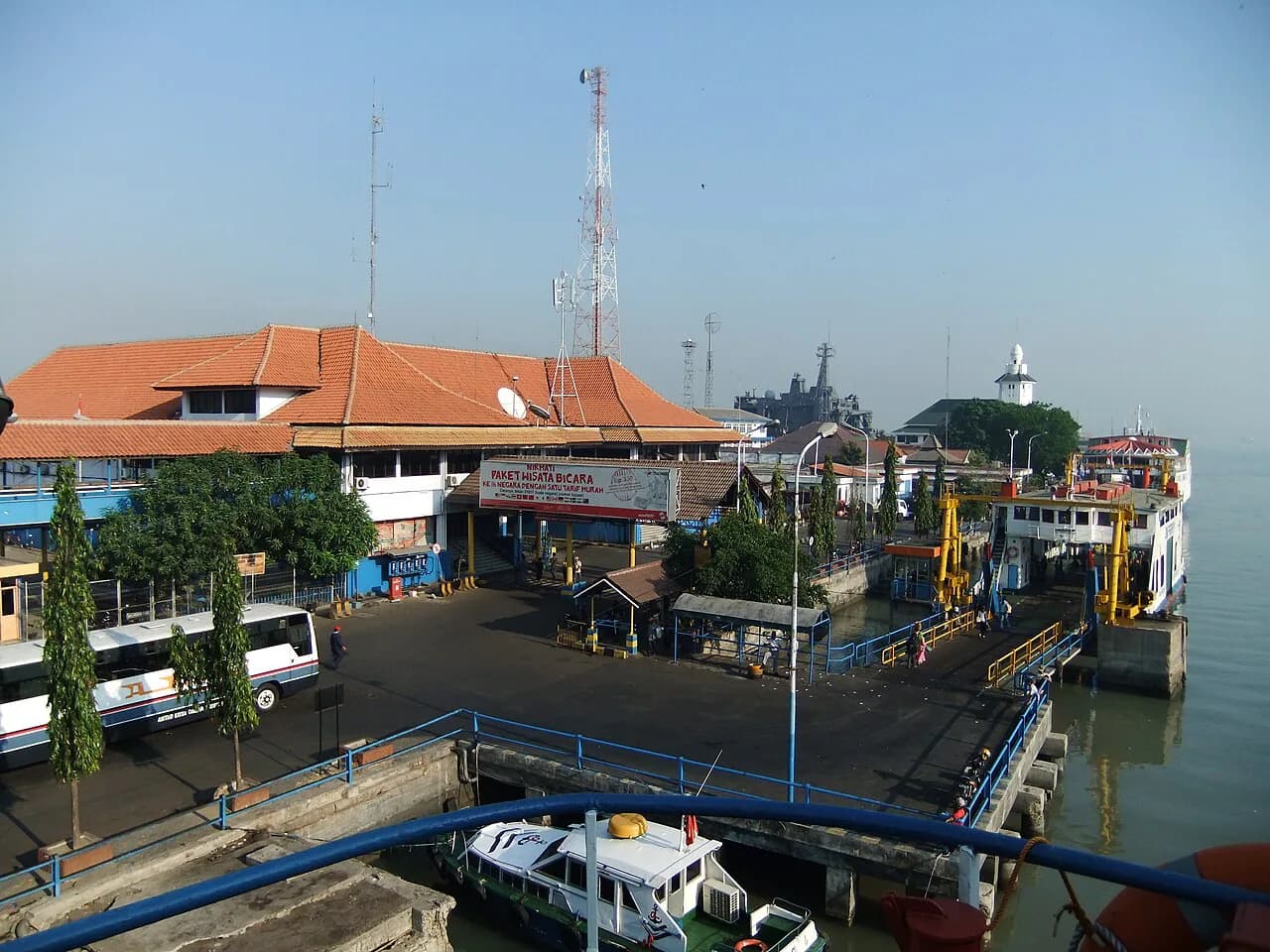
Ujung, Surabaya: A Guide to the City's Old Ferry Port District

Ujung is a port district on Surabaya's north side, home to Pelabuhan Ujung, and it is not the city's main commercial harbor. Most travelers who come this way are chasing the idea of an old ferry crossing to Madura, and what they find is a quieter working waterfront whose crossing traffic has thinned since the Suramadu Bridge opened. This guide covers what Ujung actually is, how it differs from Tanjung Perak, and whether it deserves time in your Surabaya itinerary.
What Ujung, Surabaya Actually Is
Ujung sits in the city's northern port belt, where the land faces Madura across a narrow stretch of water. Pelabuhan Ujung is the harbor that historically handled the short crossing to Kamal on Madura's shore, which is why the two names appear together in older accounts. Surabaya has two ports in the broad sense: Tanjung Perak, the large commercial gateway for eastern Indonesia, and Ujung, the smaller crossing point.
Do not picture a promenade with cafes and viewpoints. Ujung reads as a port neighborhood first: ferry infrastructure, cargo movement, streets shaped by the harbor rather than by visitors. No attraction list or visitor map for the district is published, so plan around what you can confirm with the port operator or on the ground rather than a fixed set of sights.
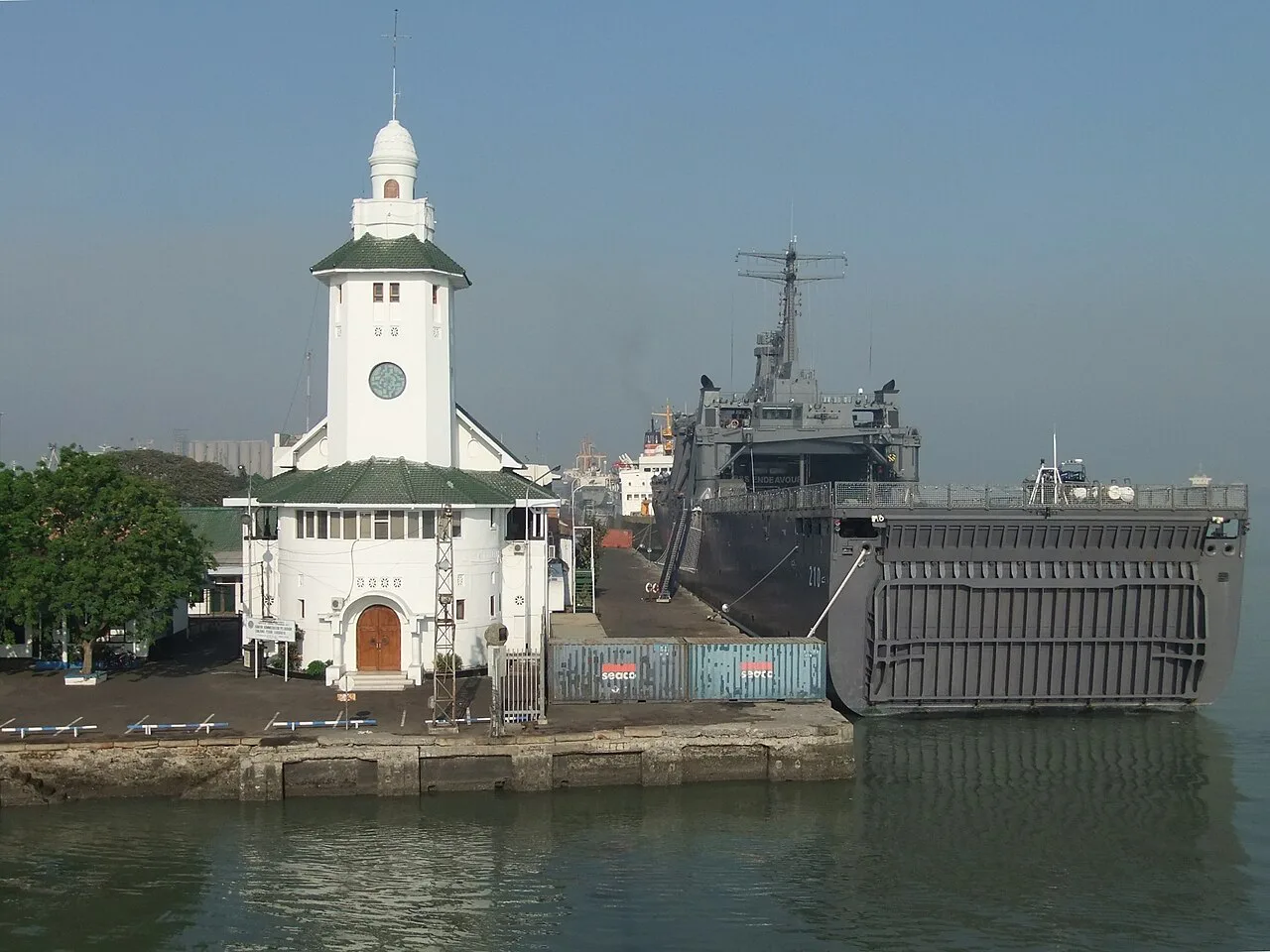

Ujung vs Tanjung Perak: Two Different Harbors
The confusion is worth clearing up before you go. Tanjung Perak is Surabaya's major seaport, operated within the Pelindo port system and built around container, multipurpose, general cargo and passenger facilities, with Terminal Petikemas Surabaya handling box traffic. It serves East Java's manufacturing base and inter-island trade, and it is the name most people mean when they say "Surabaya port."
Ujung is the lesser harbor, tied to the short Madura crossing rather than to container shipping. If your goal is watching big port operations, Tanjung Perak is the relevant visit; if your goal is the old ferry link toward Madura, that is Ujung. Travelers also mix it up with Ujung Pandang, the old name for Makassar in South Sulawesi, so keep the two apart when you search.
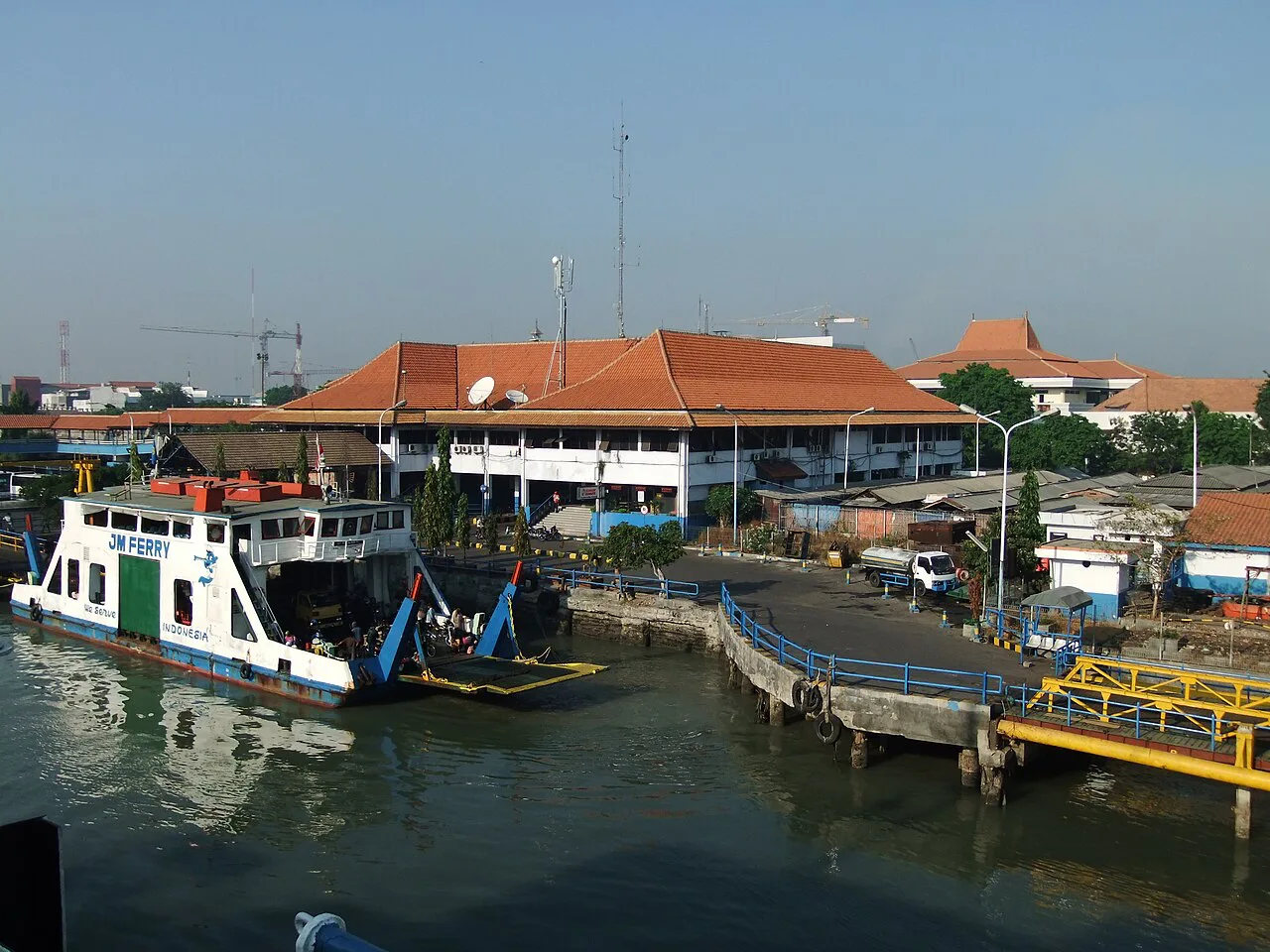

What Changed: The Kamal–Ujung Crossing Since Suramadu
The story of modern Ujung is the story of a crossing in decline. Kompas reported that since the Suramadu Bridge opened, activity on the Kamal–Ujung ferry route has become noticeably quieter, with passengers shifting to faster and more practical modes of transport. The bridge gave drivers and bus passengers a direct road link between Surabaya and Madura, and the ferry lost its advantage.
The practical trade-off is simple: the crossing that once made Ujung a logical stop is no longer the obvious way to reach Madura. Do not assume a scheduled ferry from Ujung is the default plan for a Madura day trip. The reporting describes reduced activity, not a formal closure, so confirm the service's status with the operator instead of assuming it from either direction.
Who Ujung Suits, and Who Should Base Elsewhere
Ujung suits travelers with a specific interest in ports, ferries or the industrial edges of a city, and travelers passing through on business tied to the harbor. It does not suit a first-time visitor who wants walkable sightseeing, hotels clustered around restaurants, or an easy evening out.
If you are in Surabaya for a short stay, a central district is a far more practical base. Tunjungan Surabaya puts you near the city's main shopping and hotel spine, with heritage buildings and easy access to the center, while Ampel Surabaya gives you the historic Arab quarter and its landmark mosque within walking distance of the old town. For the wider picture of how the city's districts compare, see Surabaya Neighborhoods: 6 Area Guides.
Gubeng Surabaya is the better choice if you arrive or leave by train, since the station anchors that district, and Wonokromo Surabaya works for travelers tied to the southern commercial side. Kenjeran Surabaya appeals to those who want the eastern coastal edge rather than the northern port belt.
Getting to Ujung from Central Surabaya
Ujung lies north of the historic center, along the same northern arc that leads toward Tanjung Perak, so the trip is short in distance but unpredictable in time. Port truck movement and one-way streets work against a quick hop, so build slack into your plan rather than assuming a fifteen-minute ride. Ride-hailing apps such as Grab and Gojek are the most straightforward way to reach the area, and Bluebird taxis are another option if you prefer a metered car.
Give the driver the specific port or street name rather than just "Ujung," since the district covers a stretch of waterfront. Public bus routes, fares and timetables toward Ujung are not published in a form this guide can confirm, so check those locally or with the relevant operator before relying on them. The same applies to any ferry departure from Pelabuhan Ujung.
Where Ujung Sits and What Is Within Reach
Ujung's position on the north coast makes it convenient to the port belt but less convenient to Surabaya's main visitor sights. The old town around Kota Tua, the Ampel mosque and the Tunjungan shopping district all sit south of the port area, each requiring a separate ride rather than a stroll.
The Suramadu Bridge is the big landmark associated with this side of the city, and crossing it is the modern way to reach Madura. Budget for the bridge crossing as a half-day commitment rather than a quick detour. Tanjung Perak Harbour is often described as one of Surabaya's key gateways and a defining part of the city's identity; if you want to see the city's maritime scale, that is the harbor to build a visit around.
What to Expect on the Ground
Expect a working district rather than a curated one. Streets near the port carry trucks, motorcycles and ferry-related traffic, and the waterfront is functional. Food stalls and shops serving port workers and residents exist, but no specific venue in Ujung is documented in accessible listings, so treat any warung you try as a discovery rather than a recommendation.
Ujung lends itself to a brief, purposeful visit: arrive, look at the port and the crossing point, and move on to the old town or the bridge. That is a fair use of an hour or two. Walking is limited as a way to cover the area, because the distances between the harbor, the streets and onward transport are long enough that you will want a vehicle for the return leg.
Where to Stay and Eat in and Around Ujung
Hotels, restaurants, warungs and cafes in Ujung are not documented in the sources behind this guide, so no venue is named here. Treat the district as a place to visit rather than a place to sleep: book accommodation in the central districts where you have real choice and walkable food, then come north for the port itself.
If you are curious about the area's daily food scene, look near the port and the main roads where workers eat, and check current reviews and map listings before committing. That is more reliable than any single recommendation and will tell you what is actually operating when you visit.
What to Check Before You Go
Two questions matter most. First, whether any Kamal–Ujung ferry service is running; the reporting on the crossing's decline describes reduced activity rather than a formal end, so confirm with the operator or the port before building a plan around it. Second, what access you can realistically get at the port itself, since working harbor areas are not generally open to casual wandering.
Local transport and ferry status are the kind of detail that shifts, so check close to your travel date. One round of verification by phone or at your hotel will save you a wasted trip north.
Should Ujung Be on Your Surabaya Itinerary?
For most first-time visitors, Ujung is a pass. Surabaya's pull is in the old town, the Ampel quarter and the Tunjungan spine, and those areas reward the limited time most travelers have. Base yourself centrally and spend your days there.
Go to Ujung if you are drawn to ports, ferries or the story of how the Suramadu Bridge reshaped this coast. Combine it with a stop at Tanjung Perak for the fuller picture of Surabaya as a maritime city, confirm the current ferry situation first, and treat the district as a short, purposeful detour rather than a destination in itself.
Frequently Asked Questions
Is Pelabuhan Ujung the same as Tanjung Perak?
No. Tanjung Perak is Surabaya's large commercial seaport, built around container, general cargo and passenger facilities and serving eastern Indonesia. Pelabuhan Ujung is the smaller harbor associated with the short crossing to Kamal on Madura. Travelers often use the two names interchangeably, but they are separate ports on the same northern waterfront.
Can I still take a ferry from Ujung to Madura?
Reports describe activity on the Kamal–Ujung crossing as much quieter since the Suramadu Bridge opened, with passengers shifting to faster options, but that is not the same as a confirmed closure. Check with the port or ferry operator before planning around it, and treat the Suramadu Bridge as the more dependable way across.