
Lempuyang Temple: Visiting Bali's Gates of Heaven

Lempuyang Temple is worth the trip only if you accept the trade-off: a long drive into East Bali and a possible multi-hour queue for a photo that takes about a minute. The reward is a genuine Sad Kahyangan temple complex on the slope of Mount Lempuyang, with Mount Agung framed by a split gate that has become one of Bali's most recognized images. This guide covers where the temple sits, how the ticket and shuttle system works, how long each part of the visit takes, and how to decide whether it fits your trip.
What Lempuyang Temple Actually Is
Pura Lempuyang Luhur is one of Bali's Sad Kahyangan temples, the group of directional temples that includes Besakih, Goa Lawah, Uluwatu, Batukaru and Pura Pusering Jagat. Temple literature traces the Sad Kahyangan to the 11th century and the era of Mpu Kuturan, and describes Lempuyang as the eastern guardian of the island. The complex holds seven temples, and the highest of them requires a long stair climb.
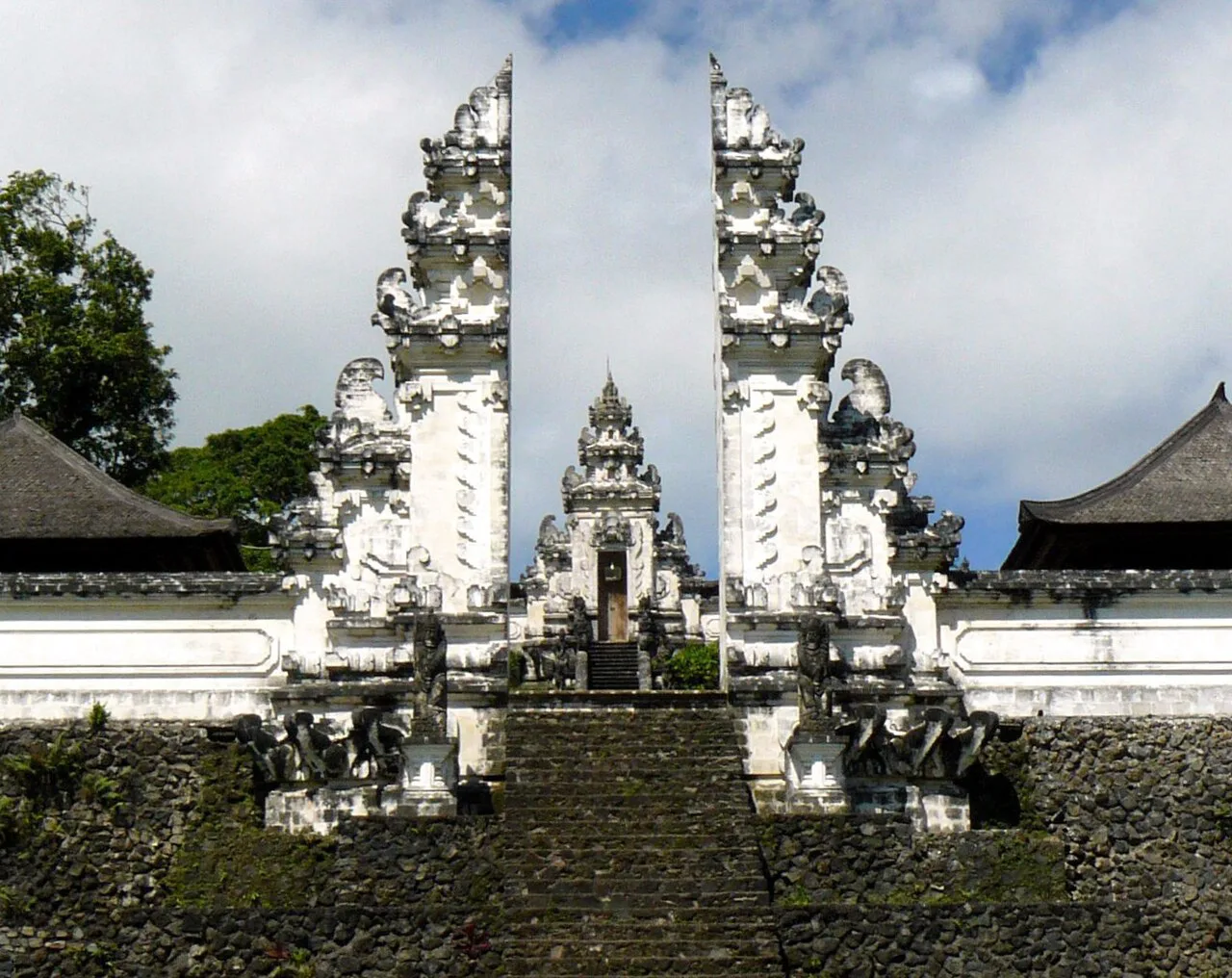
The spot everyone photographs is separate from the sacred inner temple. The Gate of Heaven, at Pura Penataran Agung Lempuyang Luhur, is a candi bentar (split gate) that frames Mount Agung through its opening on a clear day. One travel account estimates the gate at about four meters tall. Knowing this distinction matters because you queue for the photo at the gate, not inside the most sacred area, where tourists are generally not permitted.

Where It Sits in East Bali
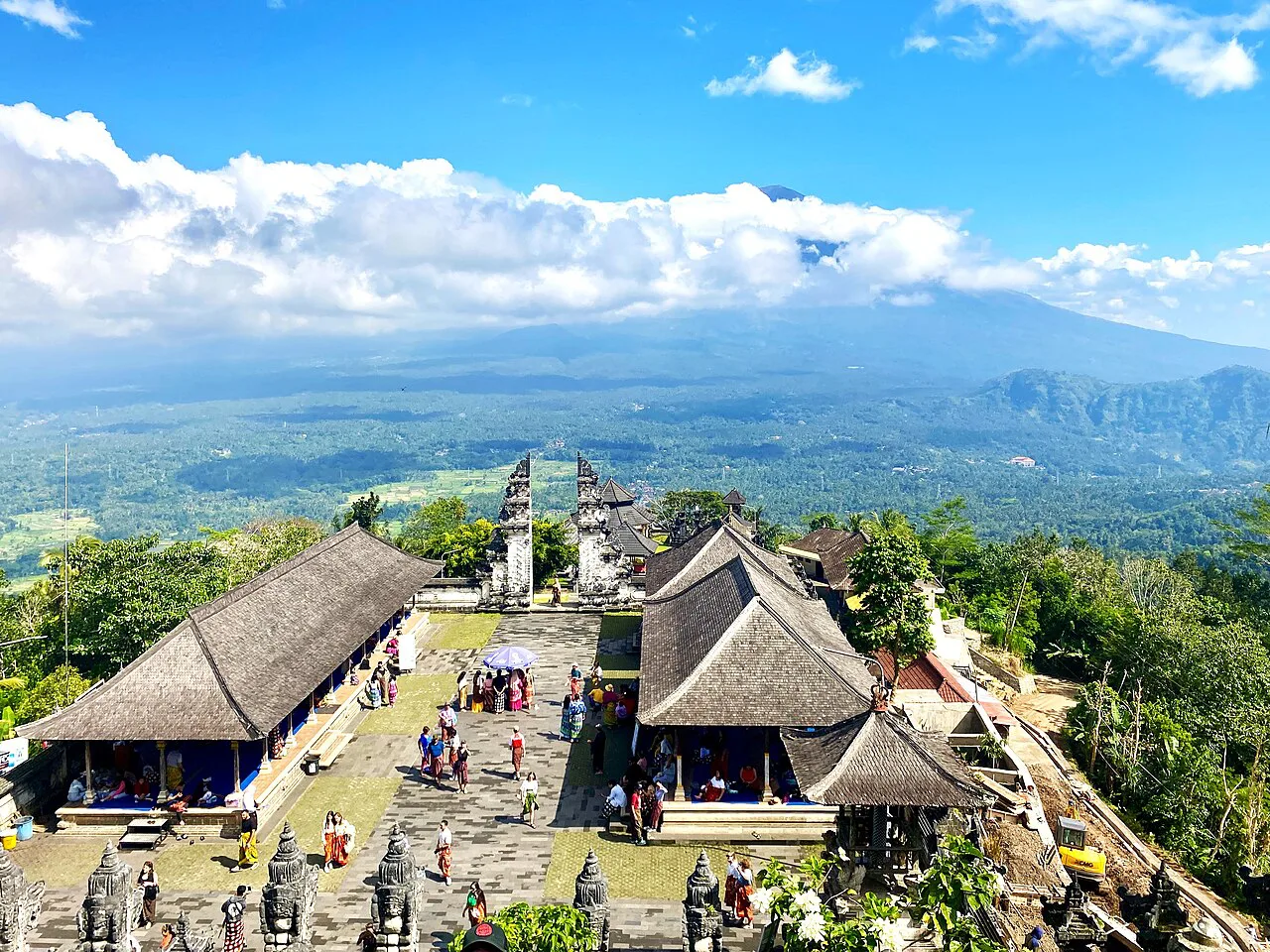
The temple is in Tista Village, Abang District, Karangasem Regency, on the upper slopes of Mount Lempuyang in far eastern Bali. The usual approach is through Candi Dasa and then Amlapura, and the Lempuyang tour site estimates about two hours from Denpasar. That figure is optimistic on a busy morning, so treat it as a floor rather than a promise.
If you are staying in Amed or anywhere along the east coast, Lempuyang is a reasonable half-day rather than a dawn expedition. From Ubud, the drive is far longer: one frequently cited figure is roughly 73 to 76 kilometers one way, over two hours depending on traffic. South Bali adds more, especially if you leave Kuta or Seminyak at an hour when the main roads are already loaded.

How to Get There: Driver, Tour or Scooter
Most visitors arrive by private driver or organized tour, and both solve the same problem: someone else handles the early start and the parking. One visitor's account describes buying shuttle tickets and riding about ten minutes up the hill to the temple site. A scooter is possible for confident riders staying nearby, but the long return trip from Ubud or the south is a poor use of a day that already starts before dawn.
Tours bundle Lempuyang with other East Bali stops, which is the sensible way to make the drive pay off. One commonly advertised pairing is Lempuyang plus Tirta Gangga Water Palace, and another adds a water palace and waterfalls. If you book a driver independently, agree on the pickup time and the pickup point for the return leg before you leave your hotel.
Tickets, Shuttles and the Queue Number
Plan on a two-stage system. First you buy an entrance ticket at the lower area, then you pay for the shuttle that carries you up to the temple site. Published figures disagree sharply: one guide reports the temple entry at 55,000 rupiah for international visitors and 30,000 for domestic visitors, with a 50,000 rupiah round-trip shuttle, while another lists 100,000 rupiah entry plus a 50,000 rupiah shuttle. Because the numbers conflict, check the posted price at the ticket window or ask your driver to confirm before setting out.
At the gate itself, staff issue a numbered ticket for the photo and call numbers in order. Arriving just after 6:00 AM one visitor was given number 76 and waited about two hours and thirty minutes before the shutter clicked. A local guide quoted elsewhere warns that arriving later than 6:00 AM can mean a photo wait of over two hours. Treat that as a real possibility on a busy morning, not a worst case, and decide whether you are willing to spend that time sitting in a courtyard.
Reported opening hours vary too, with one source listing 7:00 AM to 5:00 PM and another 8:00 AM to 5:00 PM, plus the note that hours can shift around ceremonies. The temple can also be active for worship outside visitor hours. Confirm the day's schedule with the temple or your operator rather than relying on a screen capture from an old blog post.
How Long the Visit Really Takes
Budget the day in three parts: the drive, the gate queue, and the climb. The gate photo itself is quick once your number is called, but the wait before it can dominate the morning. Many visitors stop there and head back down, which makes Lempuyang a half-day from East Bali and most of a day from Ubud or the south.
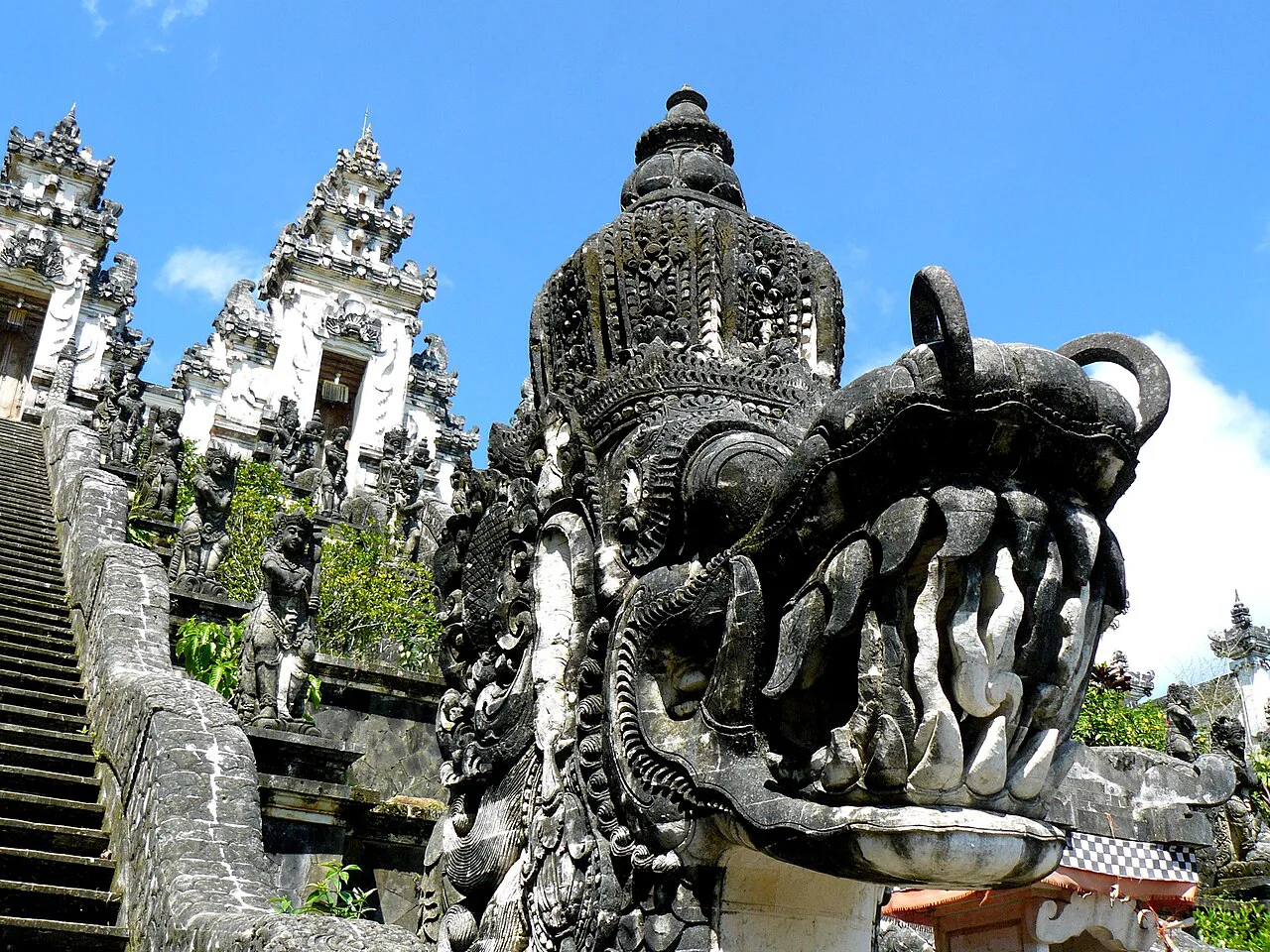
The climb to the top temple is a separate commitment. Sources give conflicting step counts, roughly 1,440 in one account and about 1,700 in another, so the honest answer is that it is a long, steep, humid staircase of well over a thousand steps. Tackling the full circuit of seven temples is described as taking three to four hours. Only attempt it if your legs and your schedule both have room.
The Gate and the Courtyard Layout
The Gate of Heaven sits in a courtyard with a set of decorated steps to one side, and the view of Mount Agung beyond the split opening is the whole point of the photograph. On a hazy or cloudy day the mountain disappears and the composition collapses. No one can promise a clear summit, so weigh that risk before committing to the queue.
Below the photo spot, the temple follows a standard Balinese three-zone plan. The outer sanctum, Jaba Pisan, is entered through a white split gate and holds pavilions including the Bale Gong and Bale Kulkul. The middle zone, Jaba Tengah, is reached through three white portals, with the left for entry, the right for exit, and the center opened only for ceremonies.
The innermost area, the Jeroan, is the most sacred and holds meru towers and padmasana shrines. Some sources advise modest dress and respectful behavior, and the Lempuyang tour site's own page lists stricter expectations about conduct and what to bring. Read those before you go rather than treating the gate as a photo studio with a temple attached.
Beyond the Gate: The Higher Temples
If you continue past the gate, the path climbs through the complex to Pura Lempuyang Luhur, the highest temple, where the crowds thin out and the atmosphere changes. The walk passes forest and birdlife, and the temple asks visitors not to disturb the plants or animals along the route. This is the part of Lempuyang that most day-trippers never see.
Treat the upper climb as optional and decide on the day. Heat, rain and your remaining driving time all affect whether it is sensible to push to the top. If the summit clouds over while you are at the gate, the practical trade-off is a long climb for a view that may not appear.
When to Arrive
Early is the repeated advice, and the reason is queue position rather than temperature. One guide notes April through October as the busiest stretch and sunrise as the quietest window within any season, while a local guide quoted elsewhere suggests being at the temple no later than 6:00 AM to avoid waits of over two hours for the photo.
Golden hour before sunset is another option for the view, but it does not solve the drive home in the dark on unfamiliar East Bali roads. If you are coming from Ubud, a pre-dawn departure is the only version that reliably gets you into an early number. From Amed, a mid-morning arrival is workable and much less punishing.
Is the Gate Photo Worth the Day?
The honest answer depends on what you count as value. If the photograph matters to you and you accept a two-hour wait as part of the experience, Lempuyang delivers a striking image and a real temple visit. If you are traveling for temples rather than photos, there are quieter alternatives closer to Ubud, including Pura Tirta Empul at Manukaya village and Goa Gajah, that ask far less of your day.
The comparison that matters is what you give up. A Lempuyang run from the south consumes a full day, while Pura Tanah Lot in Beraban Village can be slotted into an evening and Pura Ulun Danu Beratan in Tabanan Regency into a northern loop. Build the trip around the photo only if that photo is genuinely on your list.
Nearby East Bali Stops to Pair With It
Because the drive is long, attach at least one more stop on the same loop. Tirta Gangga Water Palace, with its tiered pools and stepping stones, sits in the same Karangasem regency and pairs naturally with a Lempuyang morning. Taman Tirta Gangga is a straightforward add-on rather than a detour.
Coastal stops at Candi Dasa and Amlapura fit the same route back toward the south, and Amed is a sensible place to stay the night if you want to split the journey. For a wider set of options across the island, the Bali Attractions: 6 Visitor Guides collection covers the temple pages this site has published so far, including Tanah Lot Temple and Tirta Empul Temple.
Which Version of the Lempuyang Trip Should You Book?
Book the dawn departure from Ubud or the south only if the gate photo is a priority and you can absorb a long wait without resentment. If you are staying in Amed or Candi Dasa, slot Lempuyang into a relaxed morning and add Tirta Gangga on the way back. Either way, confirm the current ticket price, shuttle fee and opening hours with the temple or your driver on the day, since published figures do not agree.
Explore more Bali guides
Frequently Asked Questions
Do I need to book Lempuyang Temple tickets in advance?
The published accounts describe buying an entrance ticket on arrival and then paying for the shuttle up the hill, with a numbered queue for the gate photo. None of them confirm an online booking channel, so ask your driver or tour operator whether your package includes entry, and check with the temple directly if you want certainty before you travel.
Can I visit Lempuyang Temple without joining the gate queue?
Yes. The entrance ticket covers the temple complex, and the numbered queue applies to the Gate of Heaven photo. You can skip the photo line, walk the courtyard and, if you have the time and energy, continue up toward the higher temples. Be aware that the most sacred inner areas are not open to tourists.
How many steps are there at Lempuyang Temple?
Sources disagree, citing roughly 1,440 and about 1,700 steps for the climb to the upper temple. Rather than relying on either number, plan for well over a thousand steep steps in tropical heat and decide at the gate whether the full climb fits your schedule and fitness that day.