
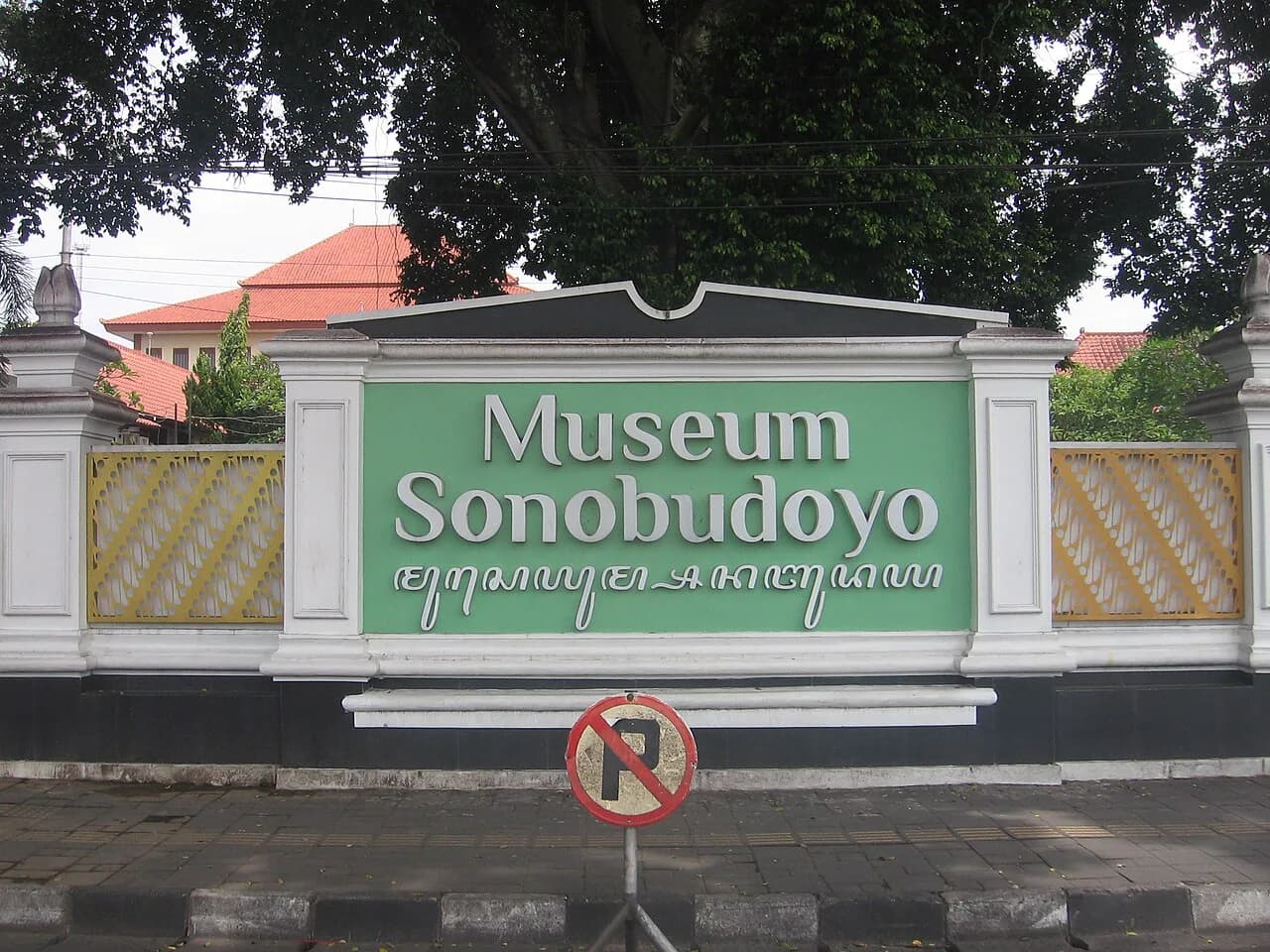
Museum Sonobudoyo: Visiting Yogyakarta's Javanese Culture Museum

Plan on around two hours at Museum Sonobudoyo: an hour for the permanent galleries and a second hour only if you time your visit to a scheduled wayang or gamelan performance. The museum is the practical pick in Yogyakarta for anyone who wants Javanese material culture explained in one compact building rather than spread across a palace complex. This page covers what the museum holds, where it sits relative to Jalan Malioboro and the kraton, how to arrive, and how opening hours and the performance calendar actually work.
What Museum Sonobudoyo is and who runs it
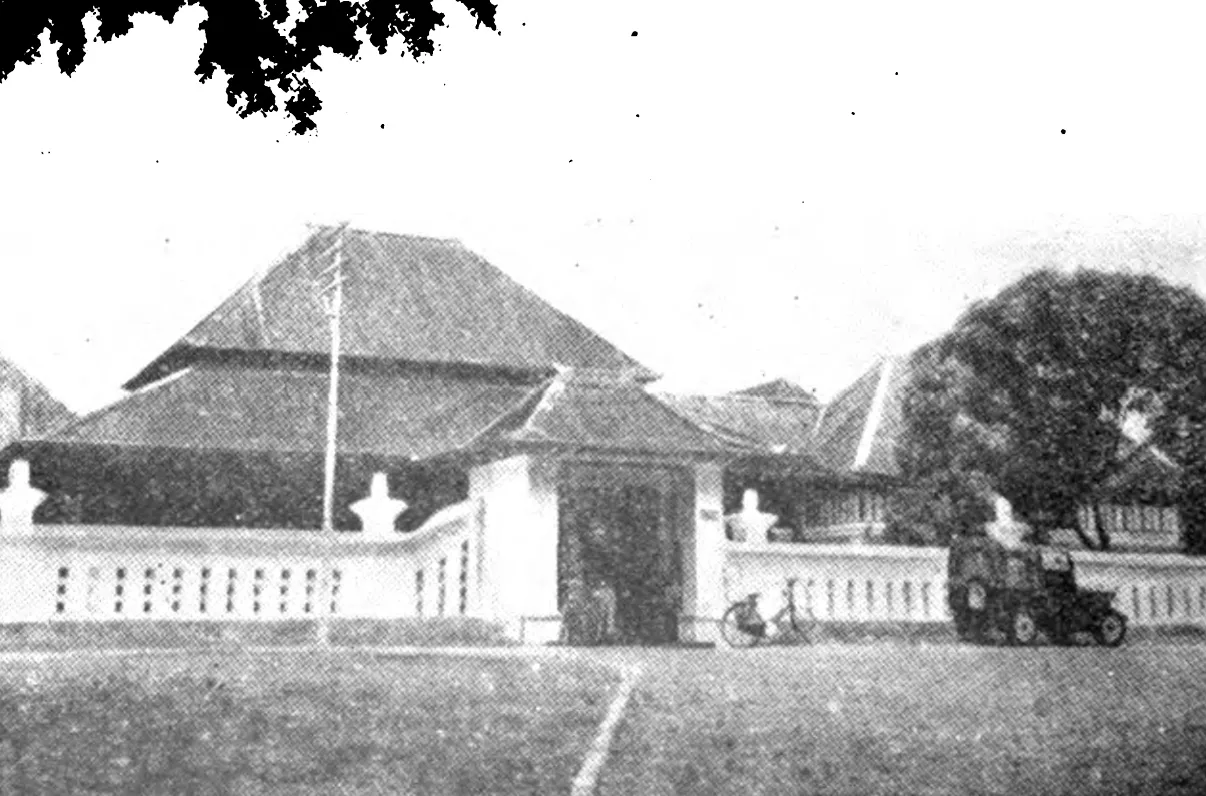
Museum Sonobudoyo is a general culture and ethnography museum holding artifacts from Java, Madura, Bali and Lombok, managed by the Special Region of Yogyakarta government. It opened in 1935, following the cultural vision of the Java Instituut and with backing from Sultan Hamengku Buwono VIII, and the building was designed in a Javanese palace style. Treat it as a state collection first and a tourist attraction second; the interpretation leans toward heritage preservation rather than entertainment.
The museum describes itself as holding one of the more complete collections in Indonesia, second in scope only to the National Museum in Jakarta. That framing matters for expectations: you are seeing a national-scale collection in a relatively small set of rooms, so the visit is dense rather than sprawling. For how this museum compares with Yogyakarta's other headline sights, browse the wider set of Yogyakarta Attractions guides before committing your day.

Where it sits: near the kraton and Jalan Malioboro
The museum stands on Jalan Trikora, also written Pangurakan, at number 6 in the 55122 postal district of Yogyakarta, close to the Sultan's Palace and within the same central cluster as Jalan Malioboro. That position is the main reason to slot it into a walking day: it sits between the shopping end of Malioboro and the kraton rather than out in the outskirts.
If you are already planning a morning at the kraton Yogyakarta, pair the two: both sit in the same old-city zone, and the museum functions well as the air-conditioned counterpoint after a hot walk through the palace grounds. Do not, however, assume the two share a ticket or a closing day; each publishes its own access rules.
How to get there and where to be dropped off
From Malioboro the museum is a straightforward walk or a very short ride-hail trip; give your Grab or Gojek driver Jalan Trikora and the Pangurakan name, since the street carries both labels. Ask to be set down at the museum entrance rather than on the main road, because the approach streets around the kraton run one-way and drivers often loop.
Arriving by becak or on foot from the Malioboro end is the least fussy option in the late afternoon, when traffic thickens around the palace. The museum's own site publishes a location map and room plan, which is worth opening on your phone before you set out so you know which entrance you are aiming for.
Opening hours and performances: check the museum's own calendar
Hours at Sonobudoyo are published as dated listings rather than a single permanent daily window, so check the museum's site for your date rather than relying on a guidebook. The site lists a permanent exhibition window (for example, into the evening for January 2026), a separate office window that differs on Fridays, and dated evening slots for wayang puppet, wayang topeng and wayang orang performances, plus cinema screenings. The footer shows a Tuesday-to-Sunday pattern, but you should verify the day you plan to visit at the ticket desk or on the official page.
Performances are a separate planning decision from the galleries. The museum publishes dated listings, for example a run of October 2026 cinema screenings alongside named wayang shows on specific evenings; treat any dates you see as an example of how the calendar is presented, not a guarantee for your trip. Check the current listing close to your visit, because the theatre schedule rotates and a gallery-only visit needs no booking at all.
What's inside: wayang, kris, masks and manuscripts
The collection is strongest on everyday and ceremonial Javanese objects: wayang kulit shadow puppets and wooden puppets, kris and other traditional weapons, masks, costumes and jewelry, ritual items, and ancient manuscripts. Ceramics, batik textiles, bronze sculpture and pieces reaching back to the Neolithic era round out the chronological spread, which is why the rooms reward slow reading of labels rather than a quick pass.
A Malioboro hotel's visitor note adds that the museum stages live Javanese dance and wayang shows and screens films by local filmmakers, which is a fair summary of how the building mixes static display with programming. If you only have time for one gallery, prioritize the wayang and weapon cases; they carry the clearest story for a first-time visitor.
The building itself: a palace-style setting
The structure was designed with traditional Javanese architecture in mind, echoing royal palace forms rather than the white-box museum template. That matters practically: galleries open off courtyards and verandas, so you move between indoor cases and open-air transitions instead of following one linear corridor. Keep the room plan handy, since the layout is easier to navigate with a sense of which pavilion you are in.
The museum has also invested in visitor comfort, citing improved parking, cleaner toilets and better air circulation as part of its refurbishment push. In practice that means the galleries are a reasonable refuge from midday heat in Yogyakarta, though the open courtyards are not. A virtual tour of the museum exists online if you want a preview of the rooms before you go.
Live performances: wayang, gamelan and dance
The performance program is where Sonobudoyo differs from a pure display museum. The museum runs shadow puppet shows, folk art performances and banner puppet shows on a regular basis, and lists wayang kulit Ramayana, wayang topeng Panji and wayang orang titles with fixed evening start and end times. Gamelan accompaniment and scheduled dance are part of that programming rather than a permanent fixture, so a performance is never guaranteed on a given night.
If a performance is the reason for your visit, build the day around the published start time rather than around the galleries, and arrive early enough to settle in. Performances typically run in the evening, which frees the afternoon for the collection and for a walk back toward Malioboro afterward. Confirm the specific title and time on the museum's own schedule the week you travel.
How much time to allow
Budget around 90 minutes for the permanent collection at an unhurried pace, or two hours if you read Indonesian labels and linger on the textiles and manuscripts. Add the length of any performance on top; the museum's evening slots run well over an hour, so a galleries-plus-show evening is a half-day commitment rather than a quick stop.
The museum fits awkward gaps well: it is central enough to fill the hour before a lunch reservation near Malioboro, and compact enough that you will not feel rushed. What it does not suit is a rushed final morning before a flight, because the performance calendar and the courtyards both reward a slower pace.
Tickets: what a ticket covers and where to check the price
The museum does not publish an entrance fee in its visitor information, and this guide will not guess at one. Confirm the current price at the ticket desk on arrival or through the museum's official channels before you build it into a budget, and ask specifically whether a performance evening is priced separately from daytime gallery entry. Do not assume combination tickets with the kraton or any discount category.
Note that the museum operates more than one unit, and this page describes only the central Jalan Trikora building near the kraton. Details for the second unit, including what it displays and when it opens, are not published in the material summarized here, so ask at the main desk if you have read about it elsewhere.
Nearby options to pair with the museum
Three sights sit close enough to combine without a car: Beringharjo Market, Teras Malioboro and Taman Sari Water Palace, all listed as neighboring destinations by a hotel on Jalan Malioboro. Beringharjo is the batik and produce market stop, Teras Malioboro covers food and souvenirs, and Taman Sari adds the water-palace ruins. Any of the three works as a same-day pairing with the museum.
If your Yogyakarta time stretches beyond the old city, the temple complexes outside town are a separate day rather than an add-on; see the Prambanan Temple Guide for how that visit is structured. Within the center, the kraton remains the most natural second stop, and walking between the two keeps you off the worst of the palace-area traffic.
When Museum Sonobudoyo is the wrong stop
Skip the museum if your Yogyakarta stop is under a day and you have not yet seen the kraton or Malioboro; the outdoor sights give you more of the city per hour. It is also a poor fit for travelers who want spectacle over context, since the galleries are quiet, label-heavy and mostly behind glass.
Conversely, the museum earns its place on a rainy afternoon, on a repeat visit to Yogyakarta, or for anyone traveling with people who prefer a seated, indoor hour to a hot walk. It is also the sensible choice if a scheduled wayang performance is on your list and you would rather see it in a museum theatre than a commercial venue.

Is Museum Sonobudoyo worth two hours of your Yogyakarta trip?
Yes, if you want Javanese culture explained rather than simply displayed, and if you can give it a relaxed 90 minutes to two hours near the kraton. Check the museum's own page for that week's opening window and performance dates before you go, then confirm the ticket price at the desk, because neither is fixed in publicly posted visitor information.
Explore more Yogyakarta guides
Frequently Asked Questions
Is Museum Sonobudoyo Unit 2 a separate museum?
The Sonobudoyo organization operates more than one unit, and Unit 2 is not described in the museum's published visitor material summarized here. Ask at the main Jalan Trikora desk, or check the museum's official site, for what Unit 2 displays and when it is open before you plan around it.
What is the entrance fee for Museum Sonobudoyo?
The museum's published visitor information does not list a ticket price, so confirm the current fee at the ticket desk or through its official channels on the day you visit. Ask whether an evening performance is charged separately from daytime gallery entry.