Best Time to Visit Gili Air: Month-by-Month Guide
Dry vs wet season on Gili Air: best months for calm seas and snorkelling, quieter shoulder picks, rough-crossing risks and budget trade-offs.
On this page
Last updated November 2026. The best time to visit Gili Air is September into early October, with late April to mid June as the runner-up window. Both stretches give calm seas and clear water without the July-August and Christmas crowds. Start with our guide to things to do on Gili Air if you have not fixed your dates yet.
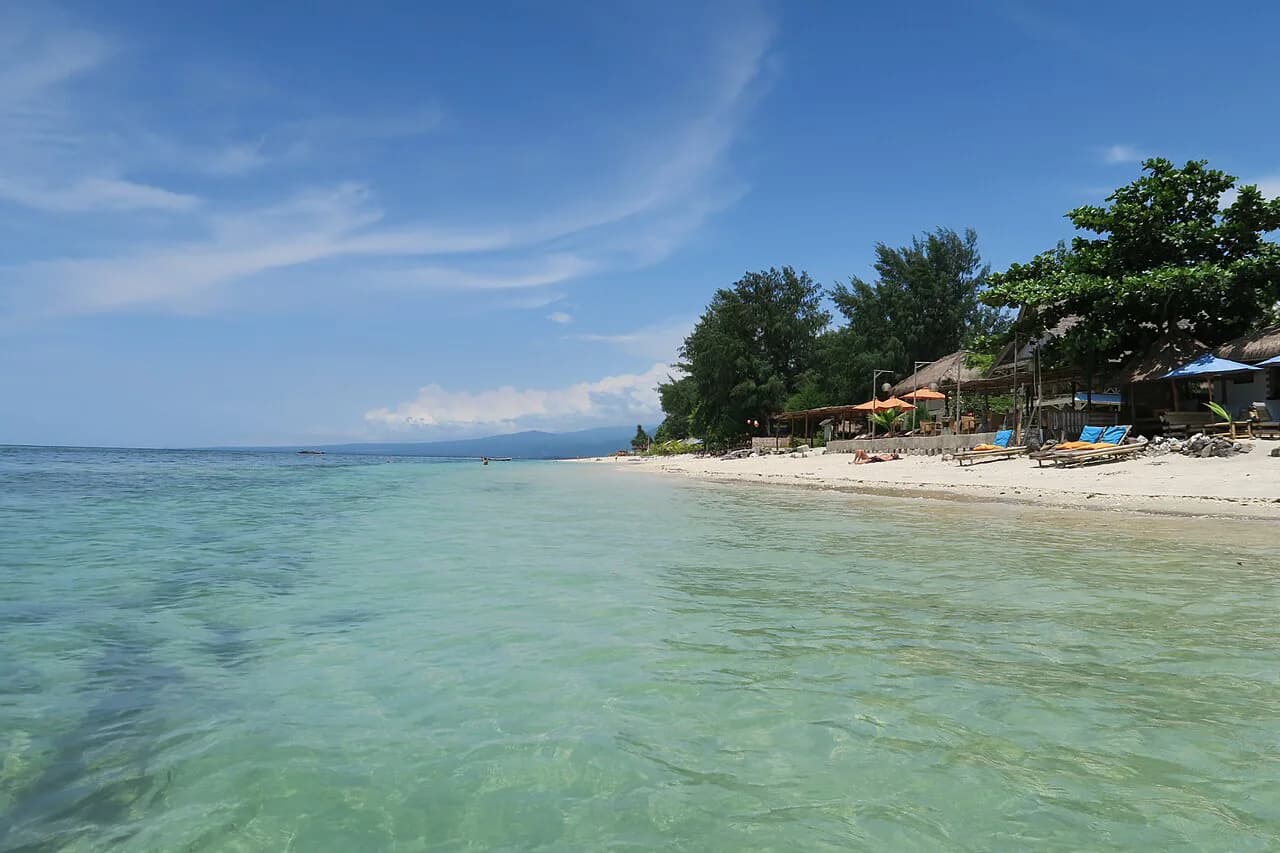
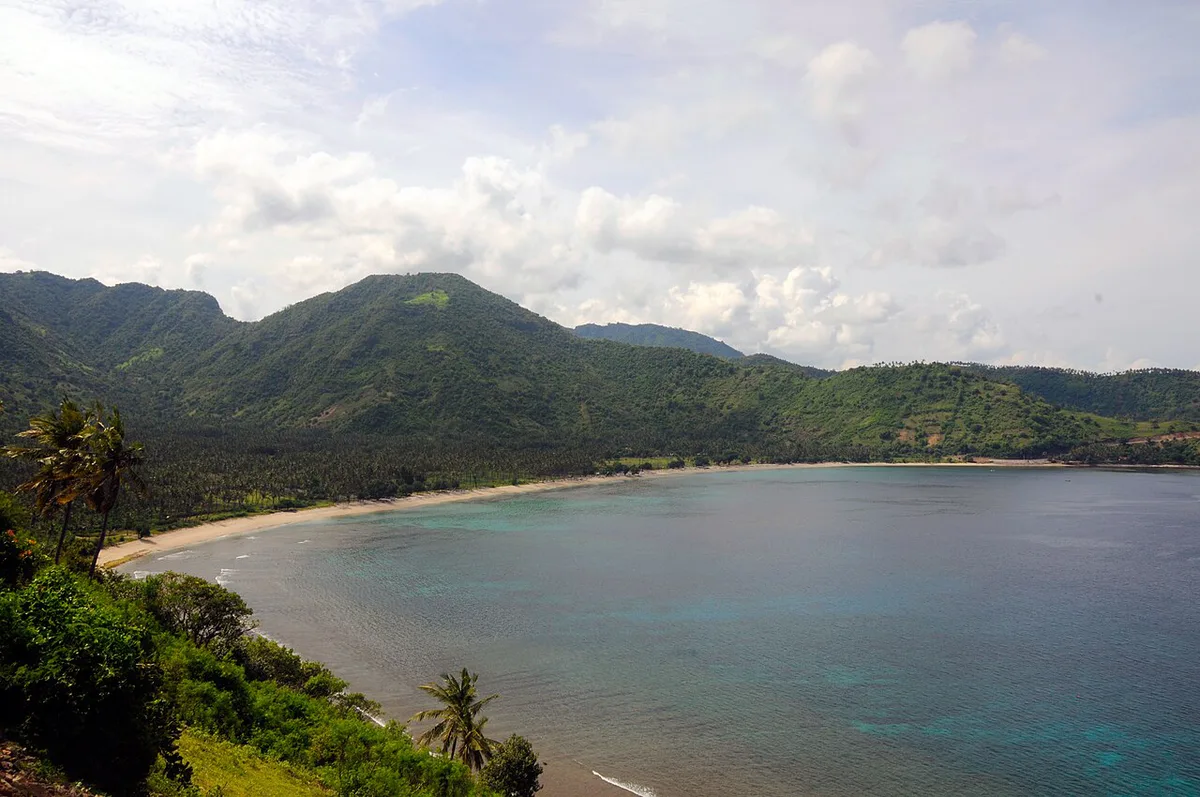
Featured image: Felix Dance, CC BY 2.0, via Wikimedia Commons.
Quick Answer: Best Time to Visit Gili Air
Pick September if your dates are flexible. Sea conditions are still good, and peak-season energy has faded. Late April to mid June is the second pick for couples and snorkellers. Budget travellers should look at January, February and November, and accept the rain in exchange. Sources disagree on exact season dates, so treat every boundary as gradual rather than a switch.
The Two Seasons in Plain English
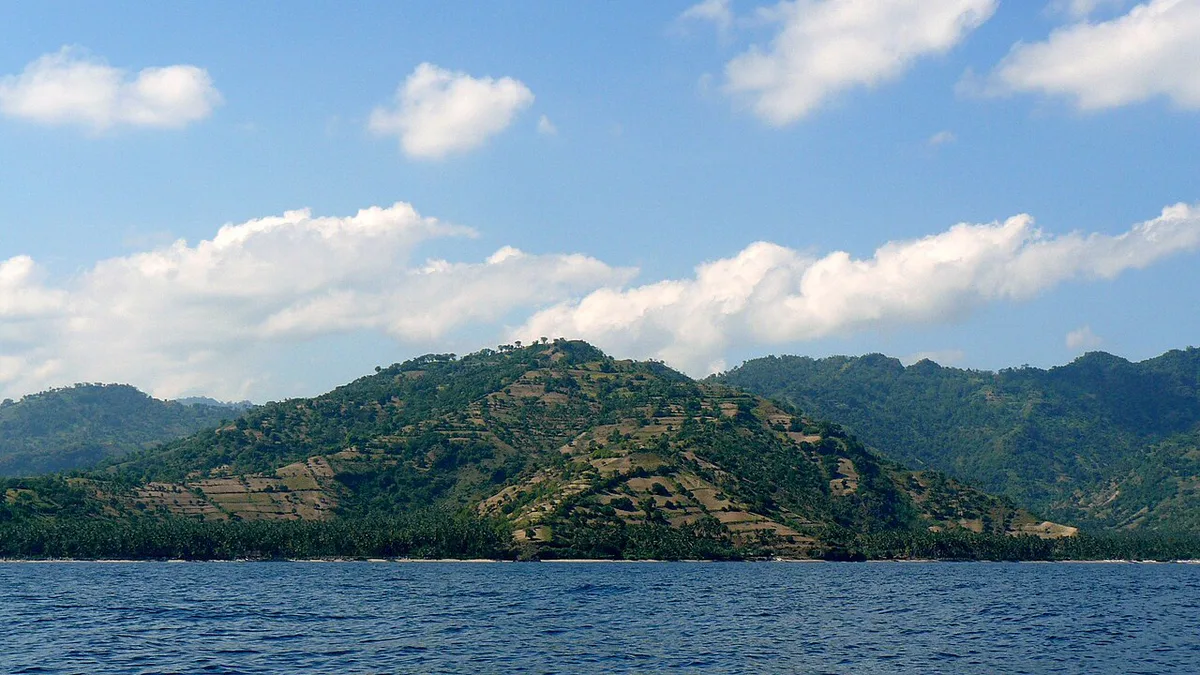
Gili Air sits just south of the equator, so it stays warm all year. There are two seasons, not four. Most sources put the dry season at roughly May to October. One operator source starts it in April. The wet season runs roughly November to April, or November to March in some sources, with the heaviest rain in December to February. Check BMKG's Indonesian weather forecasts close to departure for current conditions. Sea temperature is only a regional figure here. Gili Meno sources put it in the high 20s Celsius, roughly 27°C (81°F) to 29°C (84°F), so swimming is comfortable in any month.
| Season | Roughly | Rain | Sea and crossings | Crowds |
|---|---|---|---|---|
| Dry | May-Oct (some sources Apr-Oct) | Light, mostly sunny | Calmest, best snorkel visibility | Peak in July-August |
| Shoulder | Mar-Apr, late Oct-Nov | Short bursts | Mixed, usually fine in mornings | Light to moderate |
| Wet | Nov-Apr, heaviest Dec-Feb | Frequent bursts | Bigger swell, rougher in Jan-Feb | Quiet except Christmas and New Year |
Month by Month on Gili Air
Use these grouped windows as a rough guide. They blend regional sources and are not Gili Air measurements. Relative price tiers are the only cost signal available. For a feel of the swing, picture a mid-range room listed at about Rp 600,000 a night in a quiet wet-season week and nearer Rp 900,000 in July. Those two figures are an illustrative planning example, not a quoted rate. Check live prices before you budget.
- January-February: wettest and roughest, lowest prices, some operators run reduced schedules.
- March-April: shorter wet days, lengthening blue gaps, lower prices. Nyepi falls in March.
- May-June: dry season begins, near-perfect snorkelling, prices start climbing.
- July-August: peak heat, peak crowds, premium prices. Book early.
- September-October: calm sea, thinner crowds, standard prices. The smartest window.
- November: first proper rains, usually late afternoon, still lower prices.
- December: quiet until the Christmas and New Year weeks, then premium.
Pick by What You Want to Do
Match your goal to the window before you match it to a flight. Calm-water swimming and snorkelling suit May to October, and our guide to Gili Air's beaches shows where to get in the water. If you are chasing waves instead, read about surf conditions around the island first.
| Goal | Best months | Trade-off | Booking pressure |
|---|---|---|---|
| Snorkel or dive | May-Oct; April and November still good | Premium prices in July-August | High in peak weeks |
| Quiet retreat | February, March, October | Rain or rougher seas | Low |
| Budget | January, February, November | Frequent showers | Lowest |
| Couples | April, May, September, October | Slightly higher prices than wet months | Moderate |
| First-timers | Late April-June, September | Less bargain pricing | Moderate |
| Families or seasick-prone | May-Oct, morning boats only | Peak crowds in July-August | High in peak weeks |
What Wet Season Really Looks Like
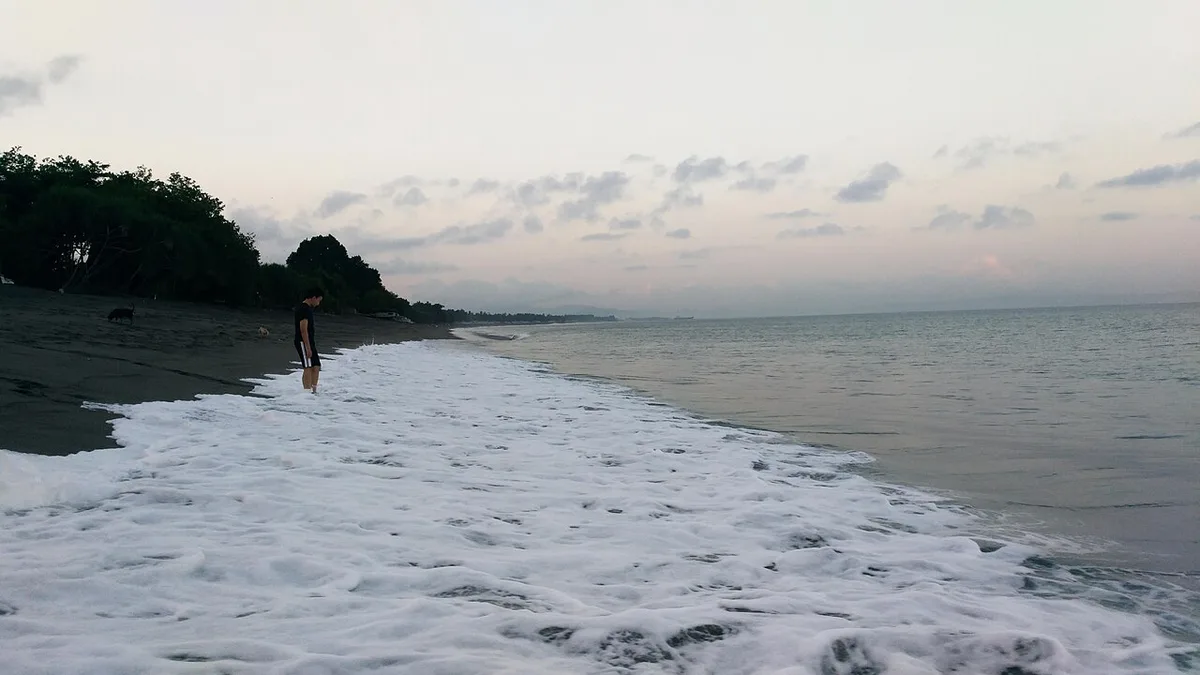
Wet season is not all-day grey. Rain usually arrives in 30 to 90 minute bursts, often in the afternoon. A typical day starts clear, drops a downpour around 3 pm, and brightens again by 5 pm. Plan swims and snorkels for the morning. Snorkel visibility falls because of plankton and runoff, but casual snorkelling still works. Gili Air has no motor vehicles, so you walk, cycle or take a cidomo. Paths turn muddy and slippery, so pack grippy sandals and a poncho. If rain sets in, book a session at a Gili Air massage spot. Our verdict on whether Gili Air is worth visiting covers the wider trade-offs.
Budget months such as January, February and November still fit 30 to 90 minute bursts of rain if swims go in the morning.
Getting Across: Seasons and Time of Day
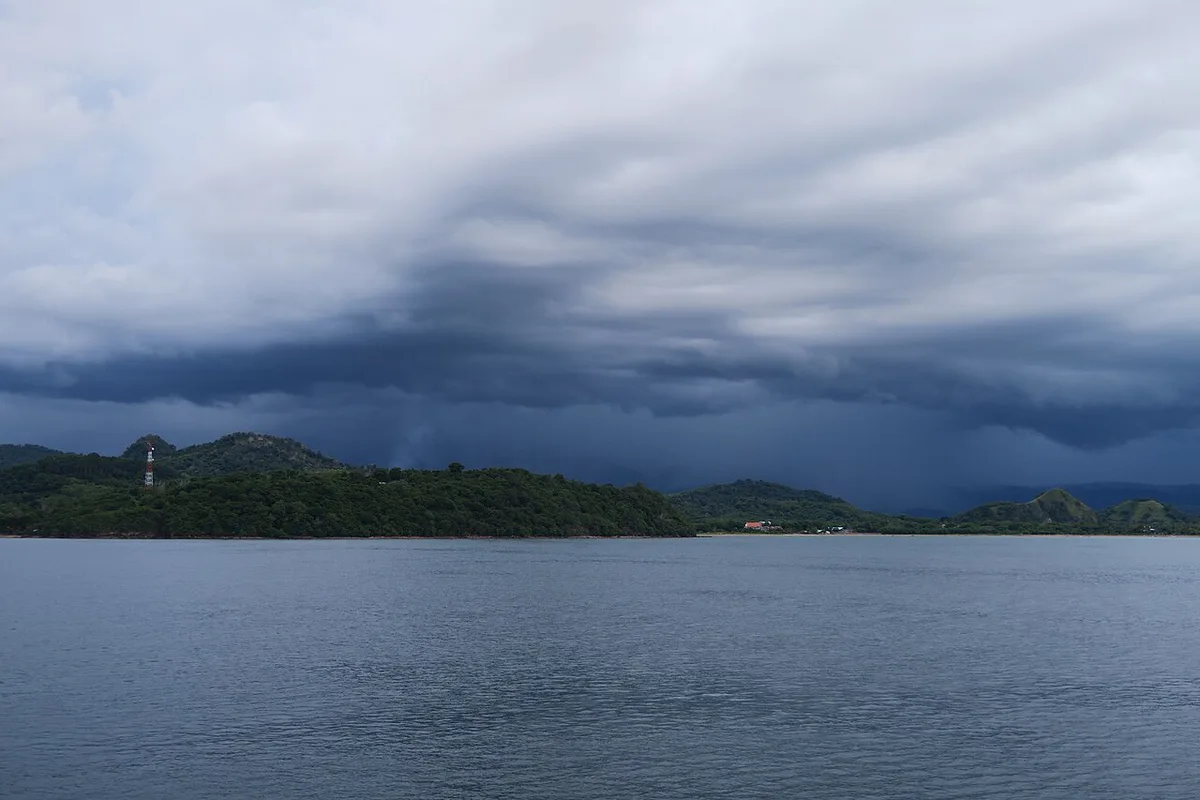
Crossing risk depends on both season and clock. Morning departures between about 07:00 and 11:00 are calmer, and winds tend to pick up after 2:00 pm. Rough seas are most likely in January and February. Operator sources say afternoon sailings are the first to be cancelled in severe weather, so confirm with your operator. Build at least one buffer day before an international flight. Our guide to getting to Gili Air covers all routes. For boat options and timetables, see the Gili Air ferry guide. Coming from Bali, read the Bali to Gili Air crossing guide. Nyepi, Bali's Day of Silence in March, halts boats and airport traffic for about 24 hours. Dates move yearly, so verify them on an official calendar. Ramadan and Eid also shift each year and change the island's rhythm, with quieter beach bars by day.

Crossings between about 07:00 and 11:00 miss both the wind pickup after 2:00 pm and the usual downpour near 3 pm.
Crowds, Prices and Peak Weeks
July, August, Christmas and New Year are the peak windows. One source widens summer peak to June-August. Shoulder months are March-April, May-June, September-October and November. Book rooms and boats early for peak weeks. Dry-season weeks buy calm water at a premium. Wet-season weeks buy stillness and value. Peak evenings fill up at Gili Air's restaurants and around the night market, while nightlife spots run lively or quiet depending on the week. Check current opening before you plan around any venue. For rainy-day ideas beyond the island, see the Day Trips From Gili Air: Meno, Trawangan & Lombok. Official context is on Wonderful Indonesia's tourism site.
Mistakes to Avoid
Four errors cause most seasonal trouble.
- Booking a flight the same day as your boat. Keep a buffer day.
- Taking afternoon crossings in January and February. Choose the morning.
- Assuming wet season is a washout. Most days include hours of sun.
- Ignoring Nyepi and Ramadan or Eid dates, which change every year.
Frequently Asked Questions
What is the weather like on Gili Air in December?
December sits in the heaviest-rain stretch, which runs December to February. Expect warm weather with short heavy bursts, often in the afternoon. Mornings tend to be drier, and the Christmas and New Year weeks are busy and priced at a premium.
Notes for your Indonesia trip
Optional updates when we add or change a town or island guide.
You might also like
Continue reading
More guides you'll find useful