Gili Air Surf: Reef Break, Tides, Swell & Alternatives
Gili Air has one shallow right-hand reef break that needs a big south swell and high tide. See who it suits, how to reach it and where to surf instead.
On this page
Last updated November 2026: Gili Air surf is real but rare, a shallow right-hander over sharp reef that needs a big south or southwest swell and a high tide. For reliable waves, go to Kuta Lombok or the south coast instead. Treat anything on Gili Air as a bonus, and read whether Gili Air is worth visiting if you are unsure about the island overall.
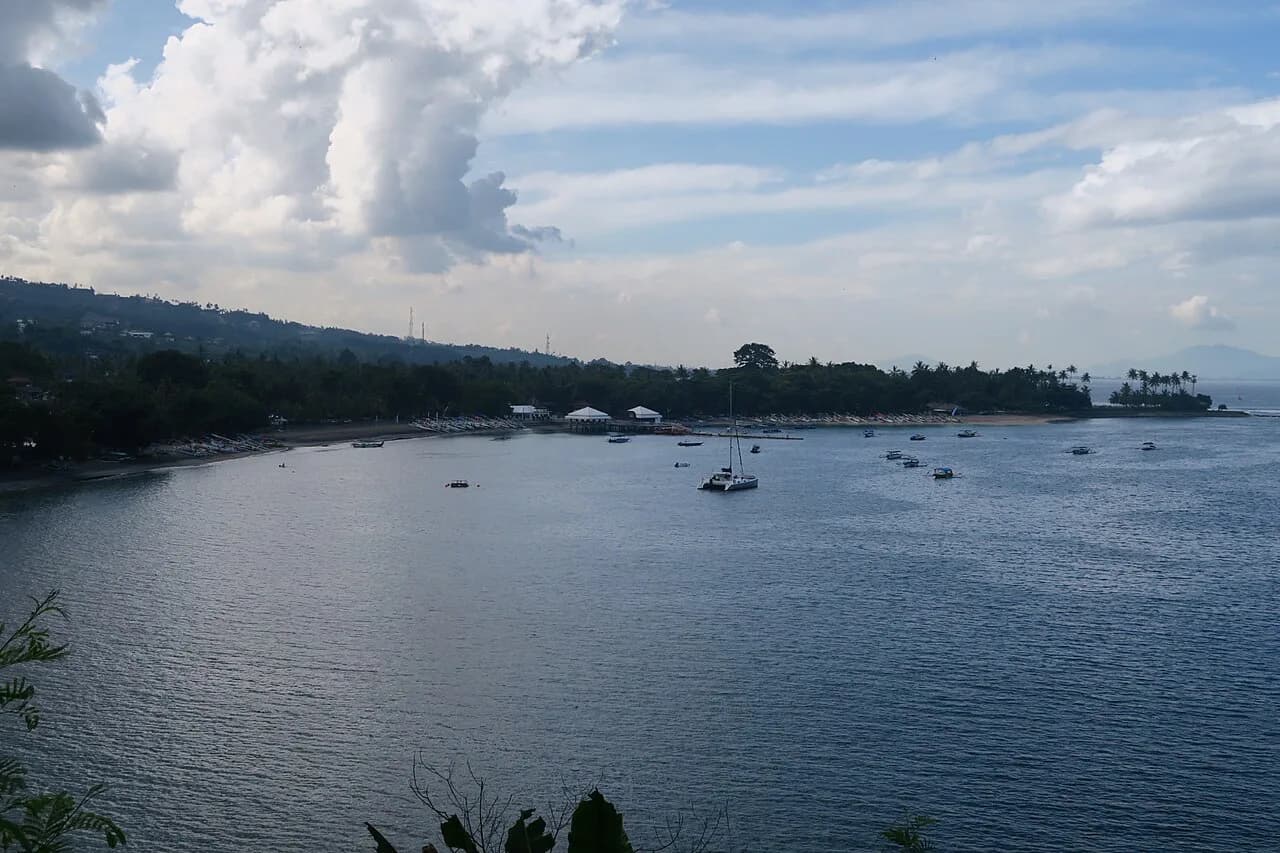
Featured image: Davis tjandra, CC BY-SA 4.0, via Wikimedia Commons.
Can you surf on Gili Air? The short answer
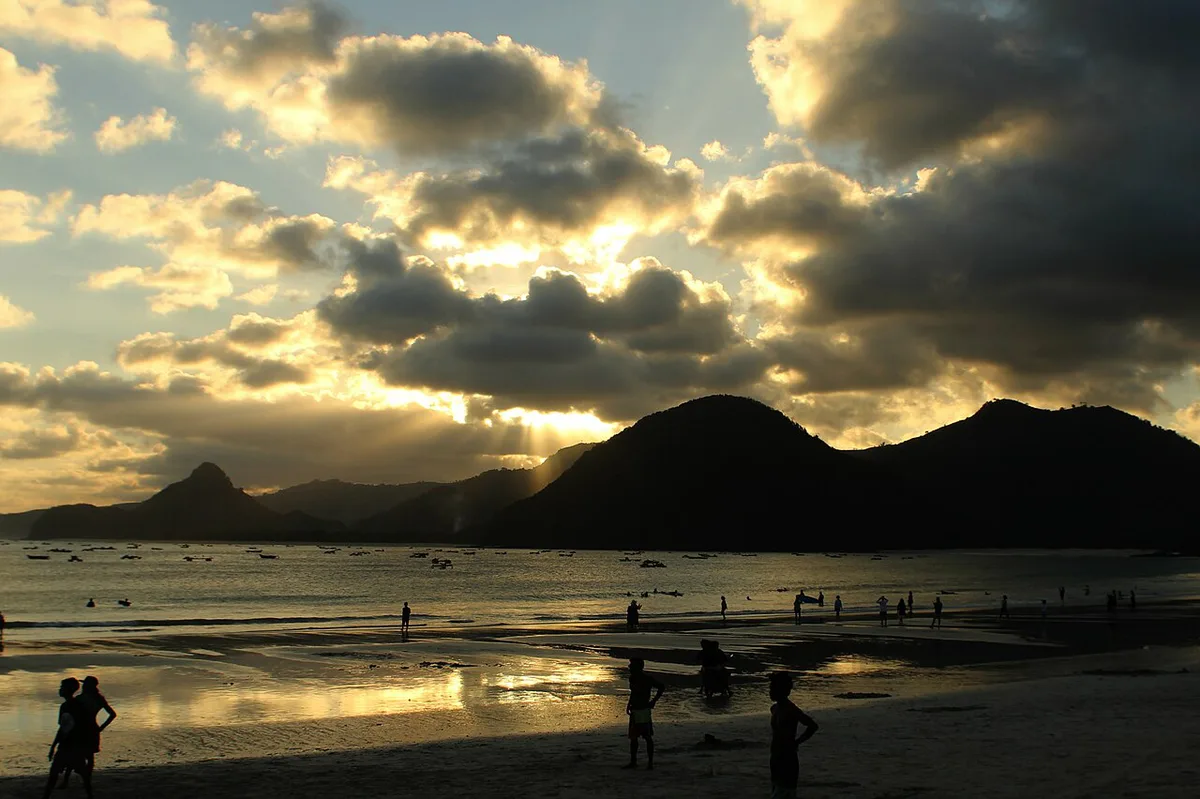
Yes, there is a surfable wave, but it breaks rarely. Operators describe one right-hand reef break off the southern or southwest side of the island. Surf Atlas and LMBK Surf House call it Bongkas, so confirm the spelling and local usage once you arrive. Most days you will find flat water, since the Gilis are sheltered from much of the incoming swell. LMBK rates the spot's consistency at 2 out of 10, which matches that picture. Plan around flexible days rather than one fixed surf day. Anyone who needs dependable waves should base on mainland Lombok, where Bangsal harbor sits a 1.5 to 2 hour drive from Kuta Lombok, per LMBK.
The wave: what the Gili Air reef break is like
Reports agree on the basics. It is a right-hander over a very shallow shelf of sharp coral. Take-off is steep and immediate, and the wave then runs fast down the line. On the best days, LMBK says, it offers short barrel sections. Ride length varies by source: one gives 40 m to 80 m, another lists 50 m to 150 m. Treat both as rough ranges. Location wording also differs. LMBK says southwest tip, while Surf Atlas and The Lombok Lodge say southern reef or southern tip. Ask a local before paddling toward any spot, because written guides cannot replace current knowledge on the water.
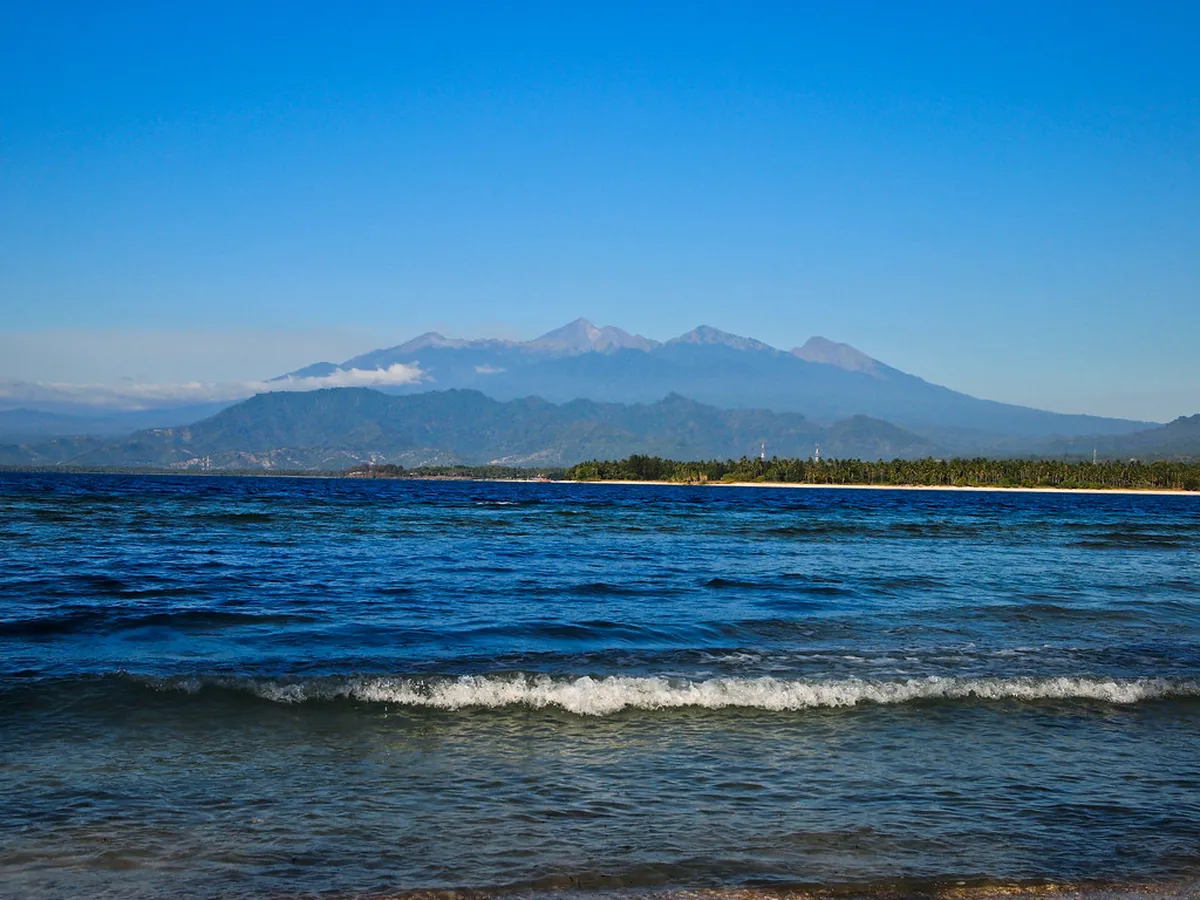
- Wave type: right-hand reef break, reported as fast and hollow on big days.
- Bottom: very shallow, sharp coral, with the reef described as inches below the surface at low water.
- Difficulty, LMBK: mellow for intermediates on small days, advanced only when big.
- Difficulty, The Lombok Lodge: intermediate.
- Difficulty, Surf Atlas: not extremely hard unless the swells are huge.
- Our reading: difficulty rises with swell size, and the reef is a hazard at every size.
Swell, tide and season: when Gili Air surf works
Three things have to line up: swell size, swell direction and tide. Operators point to a large south or southwest swell. LMBK suggests watching for a period of 16 seconds or more. Take that as one operator's rule of thumb, not a standard. Surfline's Gili Air page often shows flat water and a poor rating, so a single day's reading says little. Tide matters most. LMBK warns against surfing on a dropping or low tide, since the reef sits inches below the surface as water leaves. Season is murkier. LMBK's text says May to September, yet its own table says April to October. Surf Atlas favors the dry season but adds that wet-season southerlies can also work. A third source lists January to June for Trawangan. Call it mostly dry season, with uncertain edges. Check marine and weather conditions with BMKG, Indonesia's weather agency. Island weather follows a slightly different calendar, so read when to visit Gili Air for the general season. Surf season and good beach weather overlap only partly.
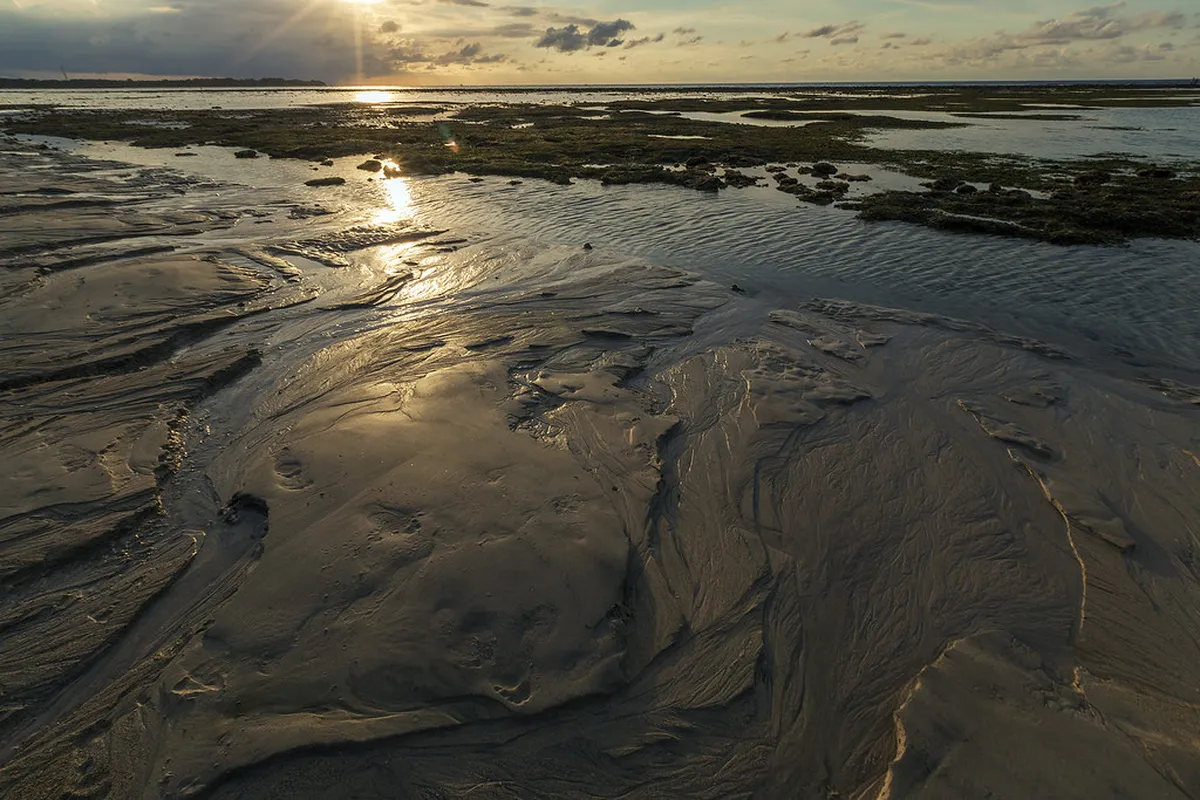
- Check 1, swell period: long-period energy is what reaches the channel; 16 seconds or more is one operator's benchmark.
- Check 2, swell direction: look for a large south or southwest swell.
- Check 3, tide: plan the session around high tide only.
- Check 4, skill: be honest about your comfort over sharp, shallow coral.
Who should surf it, and who should skip it
Match your level to the swell, not to the island's relaxed reputation. Sources disagree on difficulty, so use this table as a cautious guide.
| Traveler type | Should you plan around Gili Air surf? | Better alternative |
|---|---|---|
| Advanced surfer on a big south swell | Worth watching the forecast. Bring reef-safe gear and check the tide. | Kuta Lombok if the swell is too small |
| Intermediate | Only on small, clean days and with local advice. Otherwise skip. | Senggigi or Tanjung Aan |
| Beginner | Not suitable. | Kuta Lombok or Selong Belanak, described by The Lombok Lodge as a beginner beach break (verify) |
| Non-surfer or snorkeler | No need to plan around it. | See the flat-day ideas below |
How to get out there: paddle or boat
Access starts at the beach. LMBK describes a paddle of about 10 to 15 minutes across a shallow reef flat, which is why full high tide matters. A local jukung boat is reportedly affordable and saves energy. According to Surf Atlas, boats from the Gilis cost at least Rp50,000 to reach the break. Treat that as a dated competitor figure and confirm the fare locally. Budget categories are simple: boat to the break, lodging, gear and travel insurance. No surf shop appears in competitor coverage, so do not assume rental boards exist. Bring your own board and reef boots, or ask a local operator before you travel. As a base, Gili Air beats Trawangan and Meno in Surf Atlas's view, mainly for its distance to the break and local feel. That is one opinion, not a rule.
Safety and etiquette on a shallow reef
Sharp coral sits inches below the surface at the wrong tide. Reef boots are the minimum. A helmet or impact vest is a judgment call that depends on swell size and your comfort over shallow reef. Go with at least one other surfer, and tell someone on land where you are paddling out. Confirm that your travel insurance covers surfing before you leave home. Local boat operators can describe current conditions better than any forecast. This is a risk description, not medical or professional advice. When the wave does work, word reportedly spreads and boats may arrive from Trawangan. Expect company despite LMBK's description of few people. Wait your turn, and give the surfer closest to the peak priority.
- Paddling out on a dropping or low tide.
- Treating a one-day forecast as typical.
- Assuming rental boards exist on the island.
- Going without reef protection.
- Surfing alone.
Getting to Gili Air for a surf stay
Bangsal harbor in north Lombok is the usual gateway. Surf Atlas says boats leave about every 10 minutes, and LMBK puts the crossing to Gili Air at about 10 minutes. Bangsal can be hectic with touts, so pre-book where you can. Verify schedules and fares before you travel. From Kuta Lombok, budget a 1.5 to 2 hour drive to the harbor. Our guide to getting to the island covers the main routes. Compare ferry options to Gili Air before you book. Arriving from Bali? See routes from Bali.
Boats leave about every 10 minutes from Bangsal, so the 1.5 to 2 hour drive from Kuta, not the crossing, sets your travel time.
Better waves nearby: Lombok mainland options
Mainland Lombok is where to build a surf plan. Senggigi sits under an hour from the Gilis by boat, per Surf Atlas, and is described as beginner-friendly with more reliable breaks. In south Lombok, The Lombok Lodge lists Tanjung Aan about 15 minutes east of Kuta, with an A-frame wave suited to all levels. It places Selong Belanak about 30 minutes west of Kuta as a beginner beach break, so verify before you go. For wider trip planning, start at Wonderful Indonesia's tourism site.
| Option | Reliability | Difficulty | Travel effort | Best for |
|---|---|---|---|---|
| Wait for a Gili Air swell | Rare; needs a big south or southwest swell and high tide | Depends on swell size; reef hazard at every size | Already on the island; boat or long paddle | Advanced surfers staying on Gili Air anyway |
| Kuta Lombok | More reliable | Varies by spot | 1.5 to 2 hour drive from Bangsal harbor | Planned surf days |
| Senggigi | More reliable, per Surf Atlas | Beginner-friendly spots reported | Under an hour by boat from the Gilis | Beginners and intermediates |
If there's no swell: what to do instead
Flat days are the norm, so keep a plan B. Start with things to do on Gili Air. Swim and snorkel from the island's beaches. Want a change of scene? Book a day trip off the island. After a long paddle, a massage on the island helps you recover. For dinner, browse where to eat on Gili Air. Then check the island's night market for a casual evening.
Expect flat days, since LMBK rates the spot's consistency at 2 out of 10, so line up Senggigi or Tanjung Aan as a backup.
Notes for your Indonesia trip
Optional updates when we add or change a town or island guide.
You might also like
Continue reading
More guides you'll find useful