Jakarta History: From Sunda Kelapa to Modern Capital
A clear timeline of Jakarta's history, from Sunda Kelapa to Batavia to today, plus where to see it in Kota Tua.
On this page
Last updated November 2026: Jakarta history runs through four names, Sunda Kelapa, Jayakarta, Batavia and Jakarta. Most of what you can still see sits in Kota Tua, the Old Town, and its museums. Use this timeline to link each era to a place, then plan a route from our Jakarta sightseeing hub.
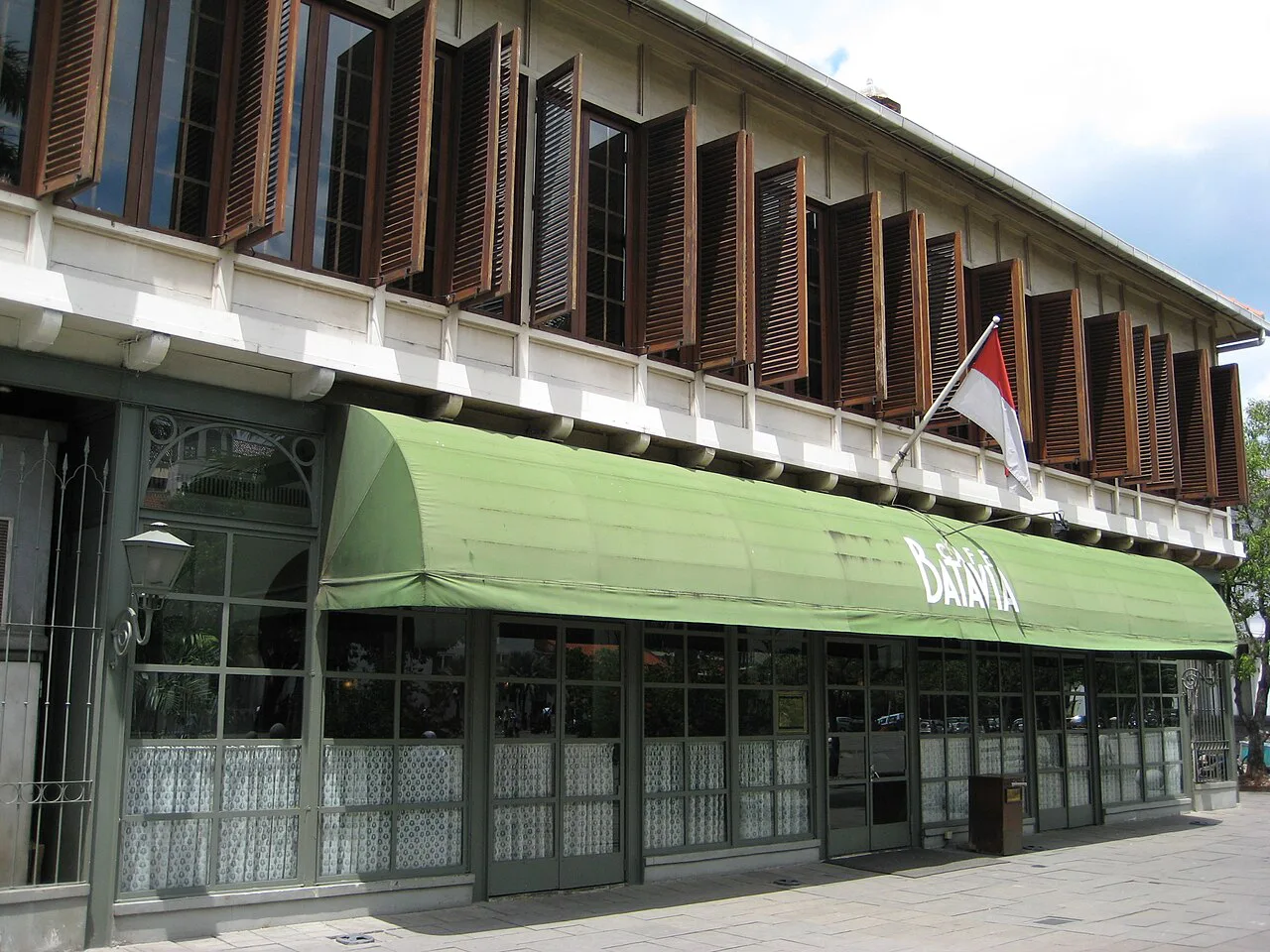
Featured image: CEphoto, Uwe Aranas, CC BY-SA 3.0, via Wikimedia Commons.
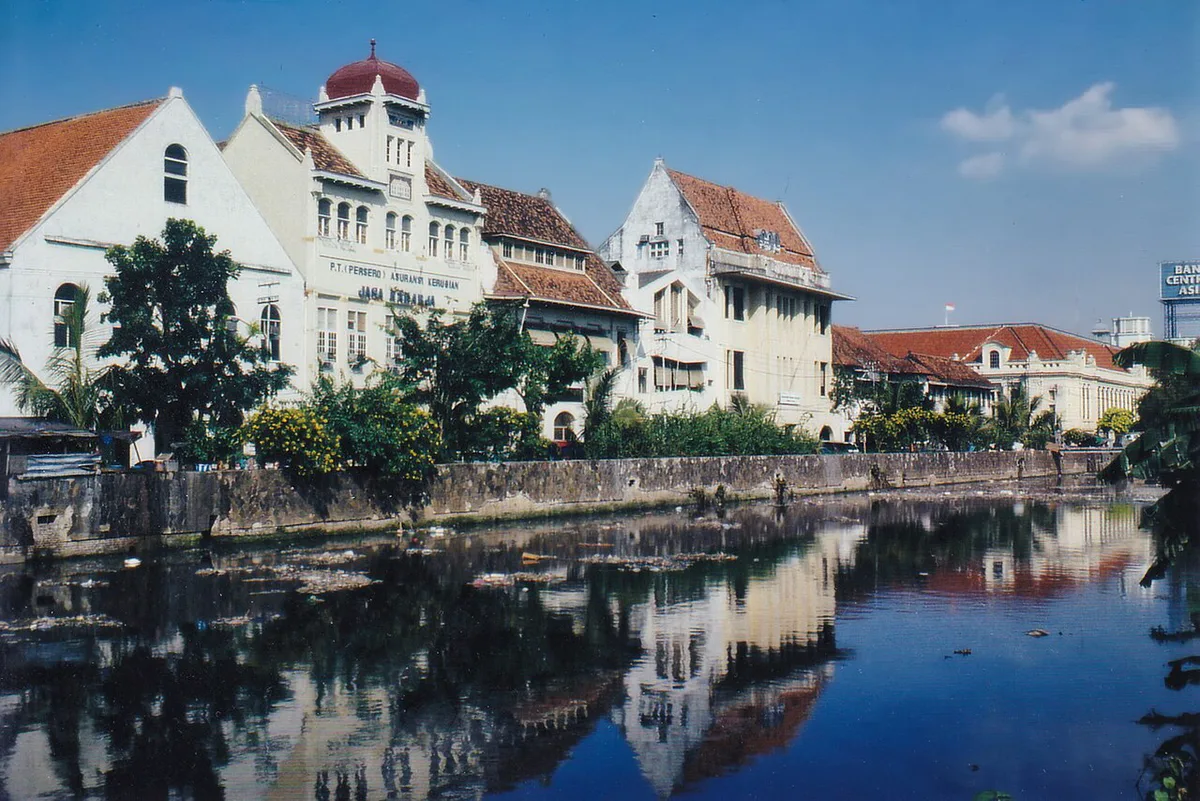
Jakarta history in brief
Jakarta grew from a harbor settlement into a Dutch trading town, then into the capital of an independent Indonesia. Early dates are debated, so treat them as approximate. One unverified web snippet places the Sunda Kelapa settlement in the 4th century. Safer wording is "early centuries" until a scholarly source confirms it. The dates after that are better documented, but check each against a museum or Jakarta's tourism site before quoting it.
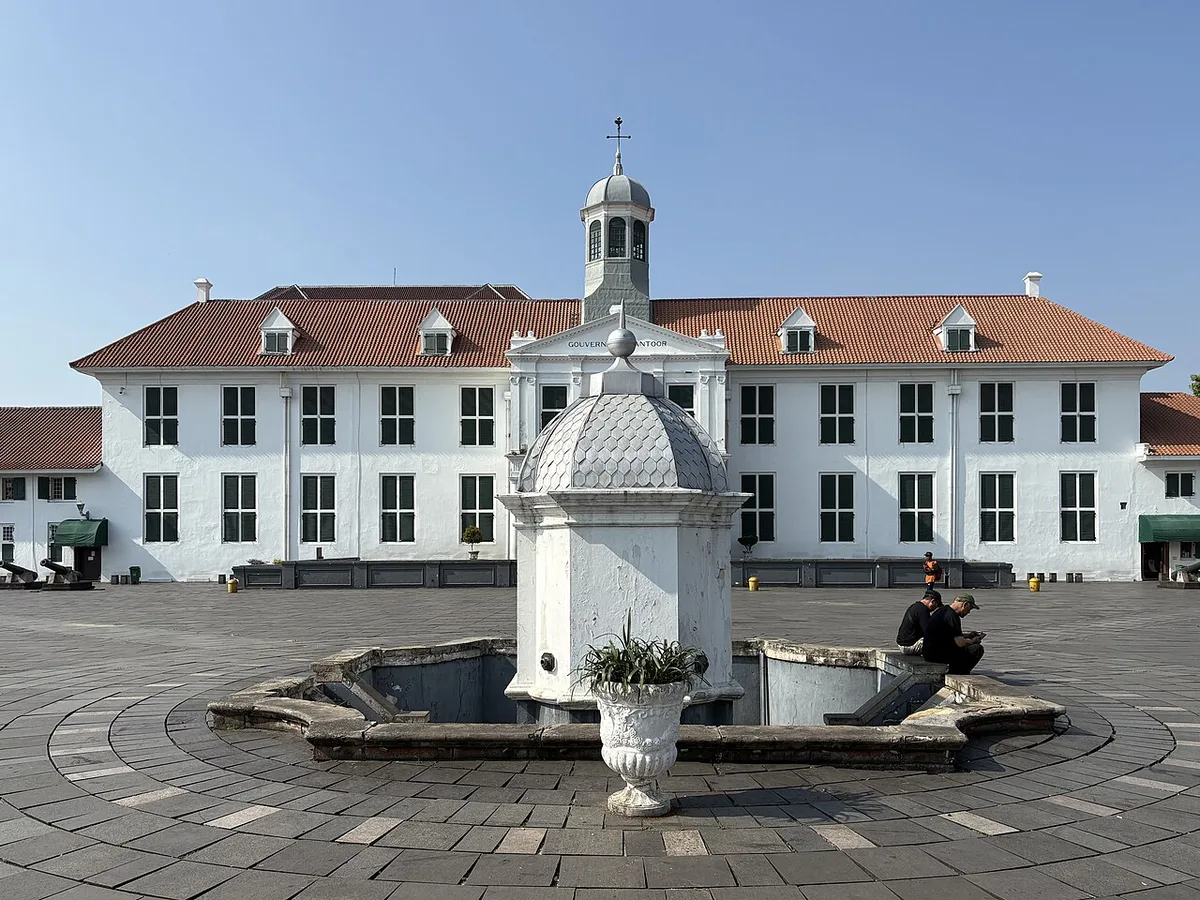
| Era | Name | What to see today |
|---|---|---|
| Early centuries (date debated) | Sunda Kelapa | Sunda Kelapa harbor |
| 1527 (traditional date) | Jayakarta | Little survives; read about it in the museums |
| 1619 onward | Batavia | Fatahillah Square, Museum Fatahillah, Kali Besar |
| 1942 onward | Jakarta | Old Town museums covering occupation and independence |
| 17 August 1945 | Capital of independent Indonesia | Independence-era sites; check current status |
From Sunda Kelapa to Jayakarta
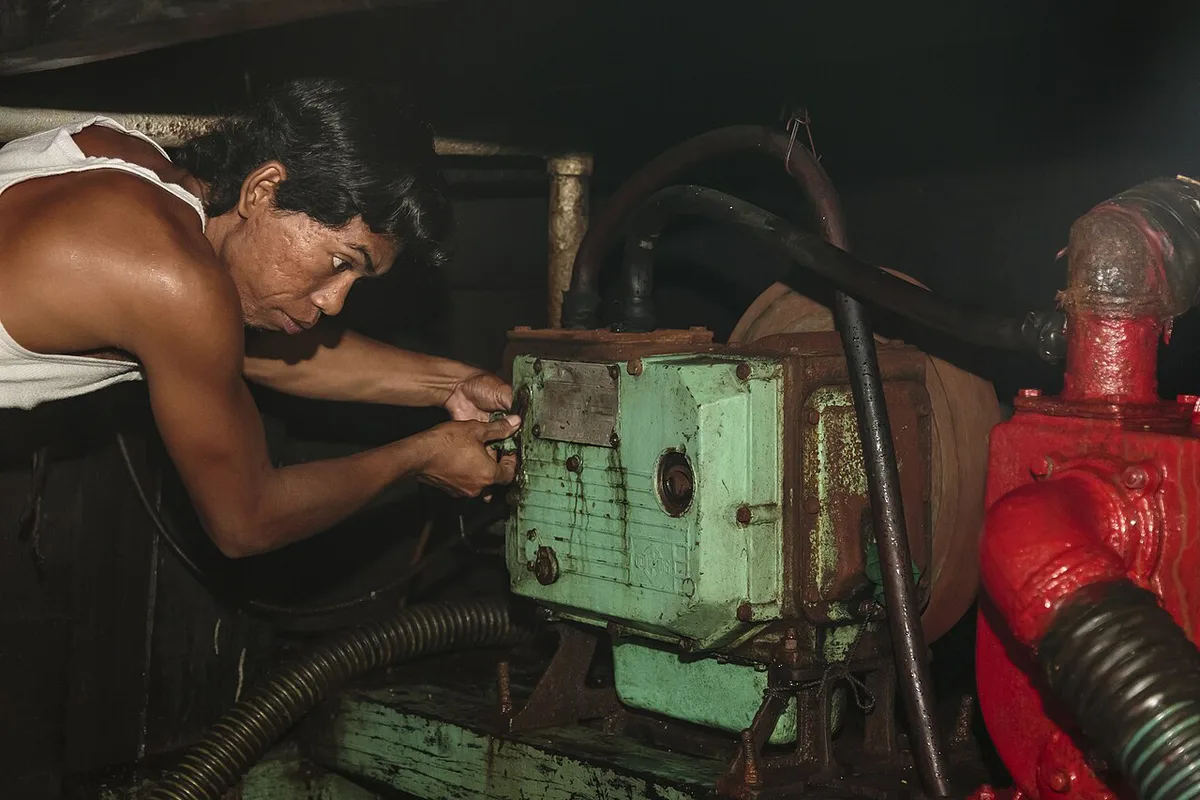
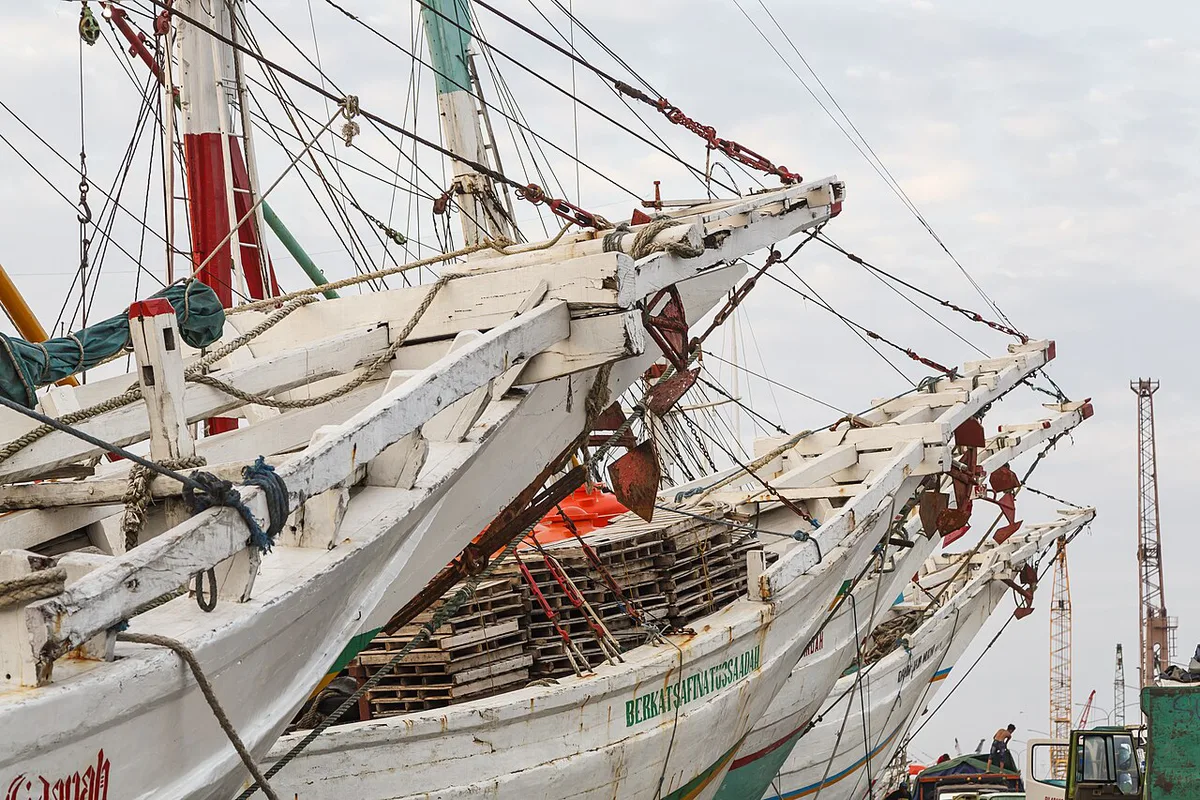
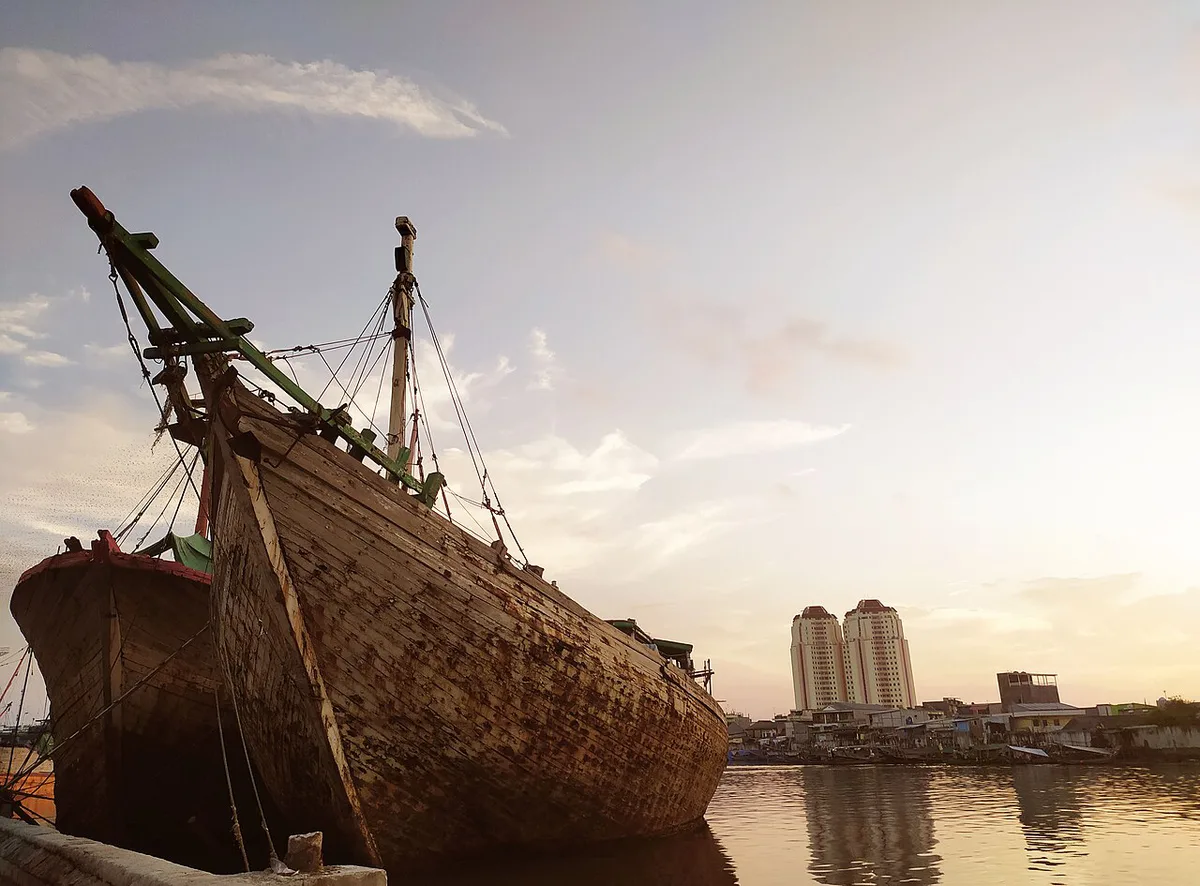
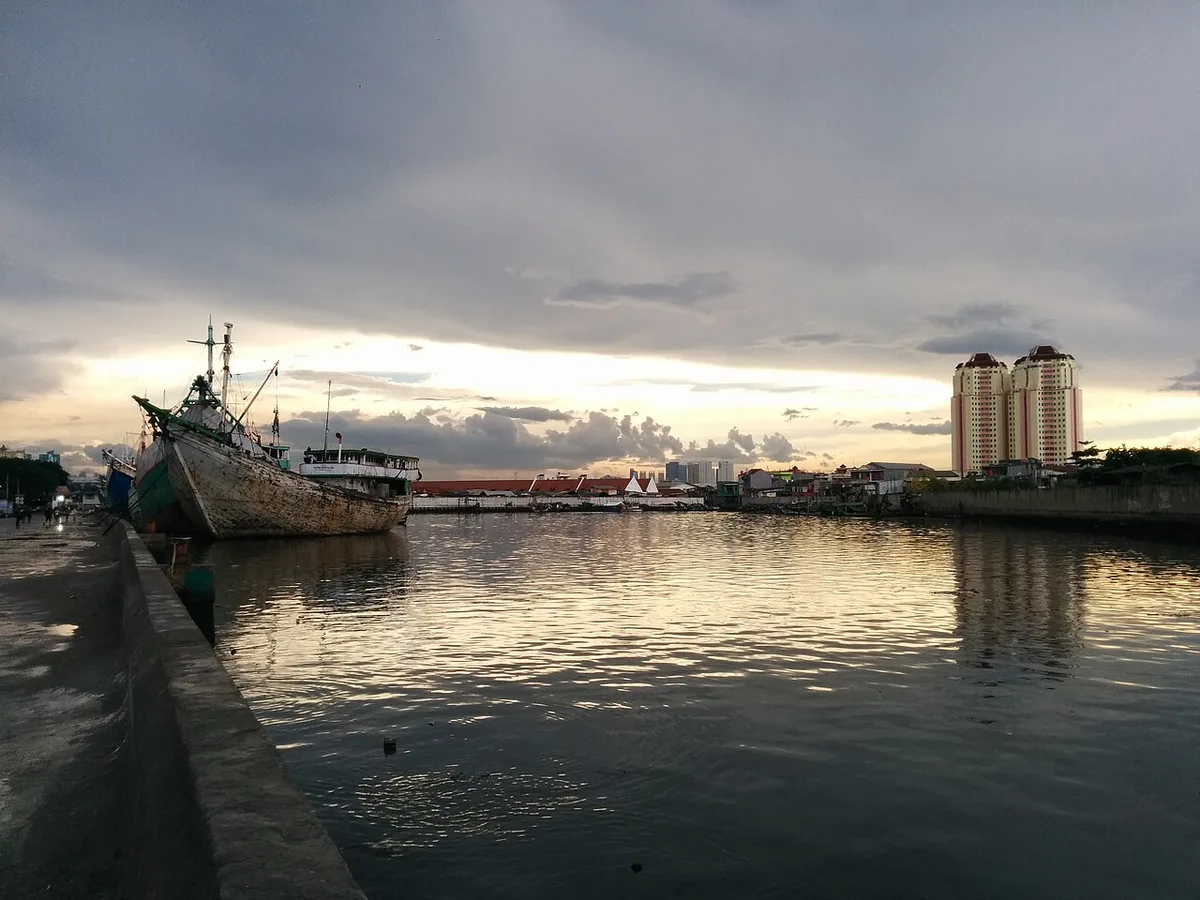
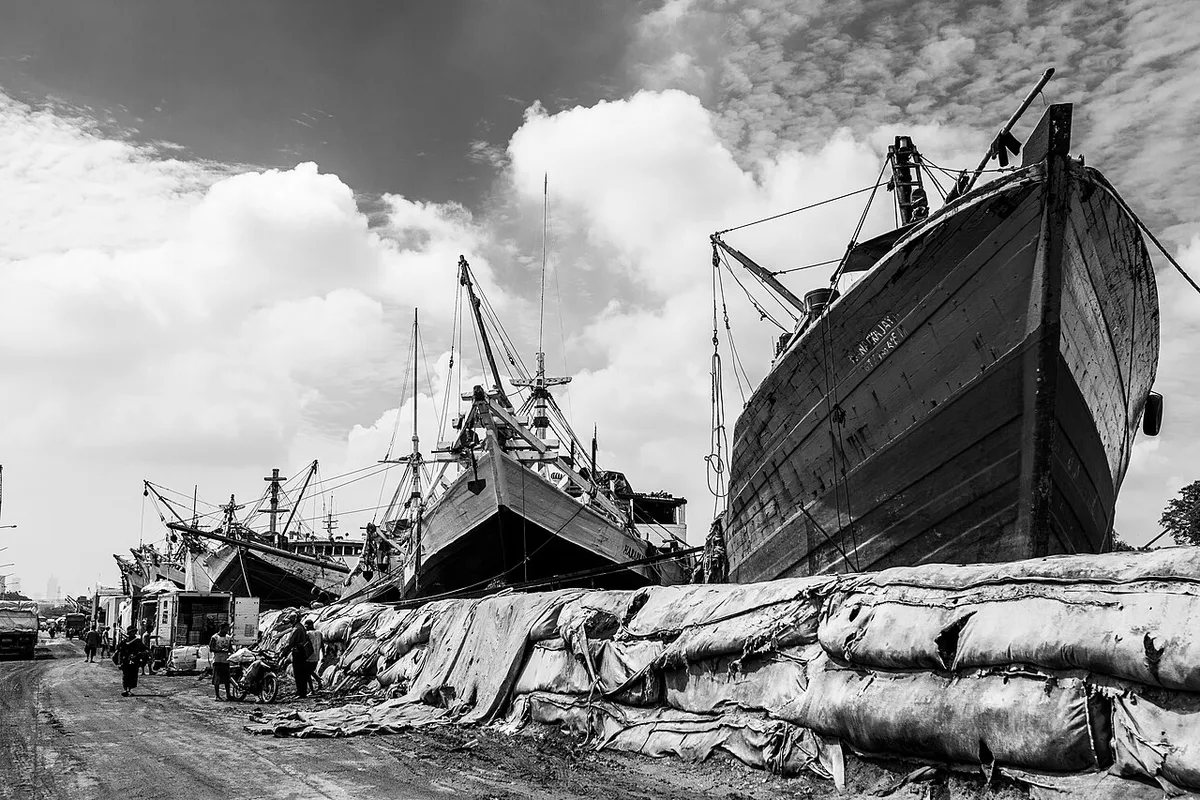
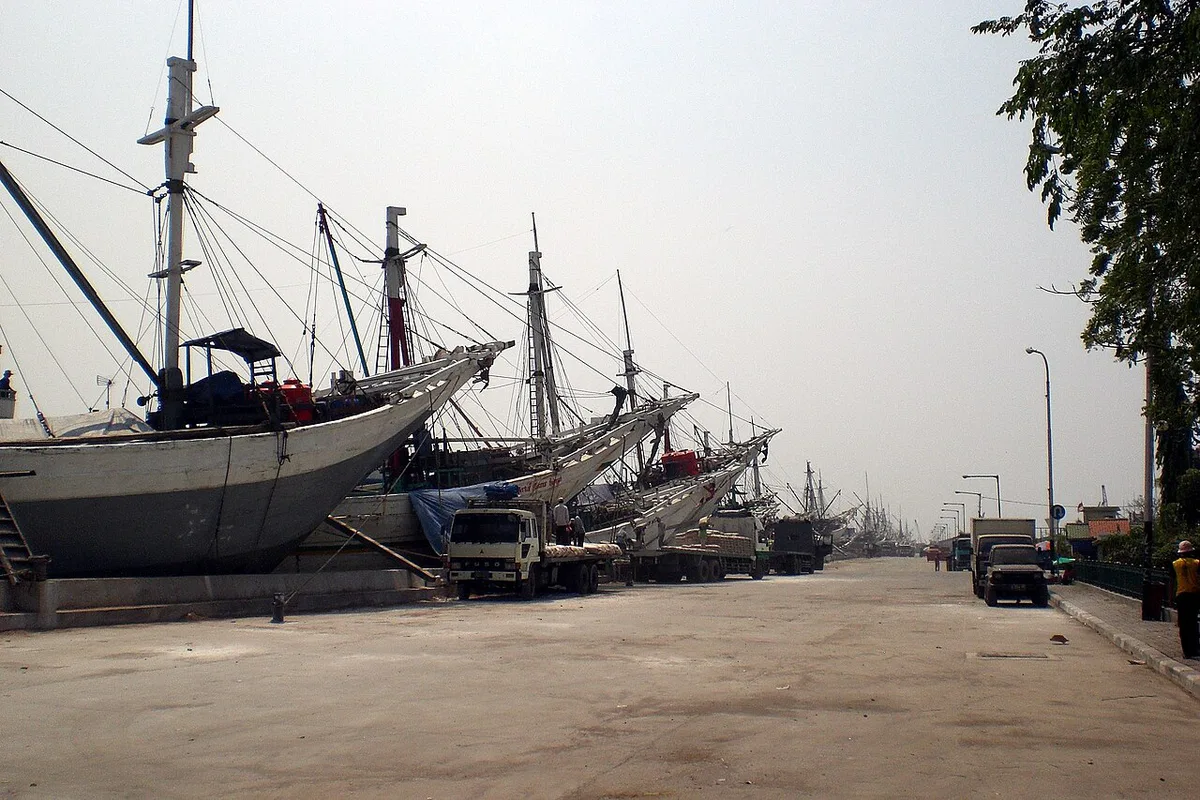
Sunda Kelapa was a port before any European arrived. Ships still load at the old harbor today, which makes it the oldest living layer of the city. Jayakarta replaced the earlier name in 1527, according to the date Jakarta traditionally marks as its anniversary. Few buildings from this period remain. Plan to read about it in a museum rather than expect ruins on the ground.
Batavia: the colonial city
The Dutch East India Company (VOC) took control and renamed the town Batavia in 1619. Its planners laid the town out around a fort, a grid of canals and a central square. That square is now Fatahillah Square. Its old town hall, the Stadhuis, houses Museum Fatahillah. Kali Besar, the main canal, preserves the line of the old waterfront. Colonial rule brought trade wealth and forced labor alike. Museum labels are the best place to read both sides in sourced detail. Expect restored facades next to neglected ones rather than a preserved colonial town.
Occupation, independence, and the modern capital
Japanese forces occupied the city from 1942 and renamed it Jakarta. Indonesia's independence was proclaimed on 17 August 1945. The Netherlands later recognised it after a period of conflict. Jakarta then became the national capital and Indonesia's largest city. These chapters leave fewer streetscapes than the Batavia era. Look for them in exhibits and in the wider museum list on our Jakarta museums guide.
Where to see Jakarta's history today
Start at Fatahillah Square, because three eras meet within a short walk. Museum Fatahillah explains the Batavia story. Kali Besar shows the canal layout. Sunda Kelapa harbor shows where the city began. Our Old Town walking guide covers the stops in more detail. The square itself is open ground, so it suits a tight budget, as our free activities list notes. Museums need a ticket and fixed hours. Confirm both on each museum's official page before you go.
Batavia's street plan centres on Fatahillah Square, so pair about 1 hour there with a walk along Kali Besar.
| Route | Stops | Effort and cost |
|---|---|---|
| Short walk | Fatahillah Square and Kali Besar | Low effort; the square is open space |
| Half day | Square plus Museum Fatahillah and one more Old Town museum | Moderate; museum tickets apply |
| Full day | Square, museums, then Sunda Kelapa harbor | High effort; heat and traffic between stops |
Planning your history visit
Budget about 1 hour for the square alone and a half day if you enter a museum. Add more if you continue to Sunda Kelapa. Museums set their own opening days, hours and ticket prices, and these change. Check each museum's official page rather than rely on a blog. The Old Town is hot and humid for much of the year, so go early. Our best-time guide covers the seasons, and the rainy season notes help you plan around downpours. For transit options, see Getting Around Jakarta: MRT, TransJakarta, Grab and Gojek. If you prefer a guide, browse guided Jakarta tours. You can also stay nearby using our where to stay advice.
Mistakes to avoid
Do not underestimate the heat or the traffic between sites. Do not assume a museum is open on the day you arrive. Do not expect a preserved colonial town, because restoration is uneven. Skipping the museum labels leaves you with facades but no story. If you are weighing the trip at all, read whether Jakarta is worth visiting first. For wider context, Day Trips From Jakarta: Best Options, Times & Tips show how the surrounding region fits in. National planning pages sit on the Indonesia tourism site.
Skipping labels hurts most for the occupation years from 1942, since exhibits carry that chapter with few streetscapes left.
Why Jakarta’s history can be easy to miss
Jakarta’s history is not concentrated in one intact historic district. The city changed names and rulers repeatedly, from Jayakarta in 1527 to Dutch Batavia after 1619. Its oldest layers are therefore easier to understand through a combination of places than through one landmark.
Start in Kota Tua for the clearest colonial streetscape, then continue to Sunda Kelapa to connect the city with its earlier port identity. Fatahillah Square and Kali Besar are close enough for a short walk. The harbor adds travel time because heat and traffic make distances feel longer than they appear.
Allow at least 1 hour for the square and canal area. A half day gives you time to add Museum Fatahillah or another Old Town museum. Museum exhibits are especially useful for the Japanese occupation beginning in 1942 and the independence proclamation of 17 August 1945.
Expect restored buildings beside neglected facades. That uneven condition is part of why Jakarta can seem less visibly historic than other former colonial cities.
Frequently Asked Questions
Was Indonesia a Dutch colony?
Yes. The VOC established Batavia in 1619, and Dutch rule over much of the archipelago followed. Indonesia proclaimed independence on 17 August 1945.
Which country is Jakarta from?
Jakarta is in Indonesia and serves as its capital. It is also the country's largest city.
Notes for your Indonesia trip
Optional updates when we add or change a town or island guide.
You might also like

Continue reading
More guides you'll find useful