Jakarta Markets: Where to Go, When, and What to Skip
Choose the right Jakarta market for your trip: textile hubs, old bazaars, antiques and Chinatown lanes, with timing, bargaining and transport tips.
On this page
Last updated November 2026. Jakarta markets split into clear types: wholesale textiles at Tanah Abang, old-school shopping at Pasar Baru, antiques on Jalan Surabaya, and food lanes around Glodok. Fabric and modest-wear buyers should head to the wholesale hubs, while short-stay visitors usually get more from Pasar Baru, Jalan Surabaya and Old Town. Start with the chooser table below, then build a half-day route around one area. Our wider Jakarta trip planner shows where markets fit.
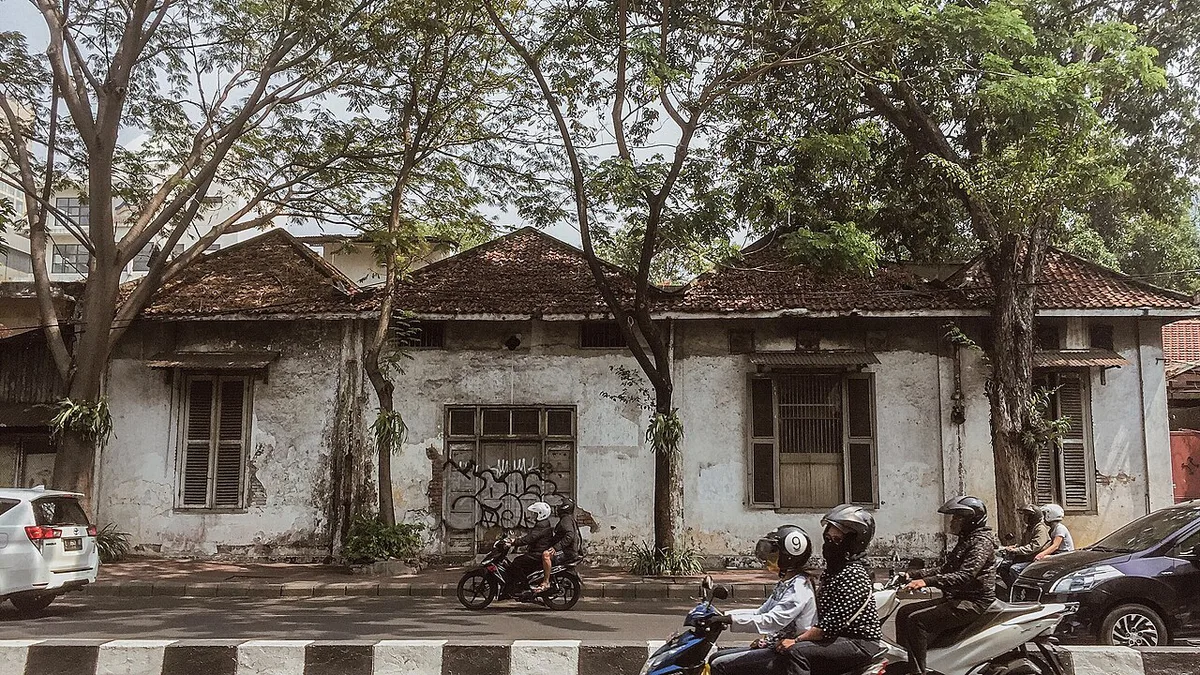
Featured image: Irvan Cahyo N, CC BY-SA 4.0, via Wikimedia Commons.
Jakarta Markets at a Glance
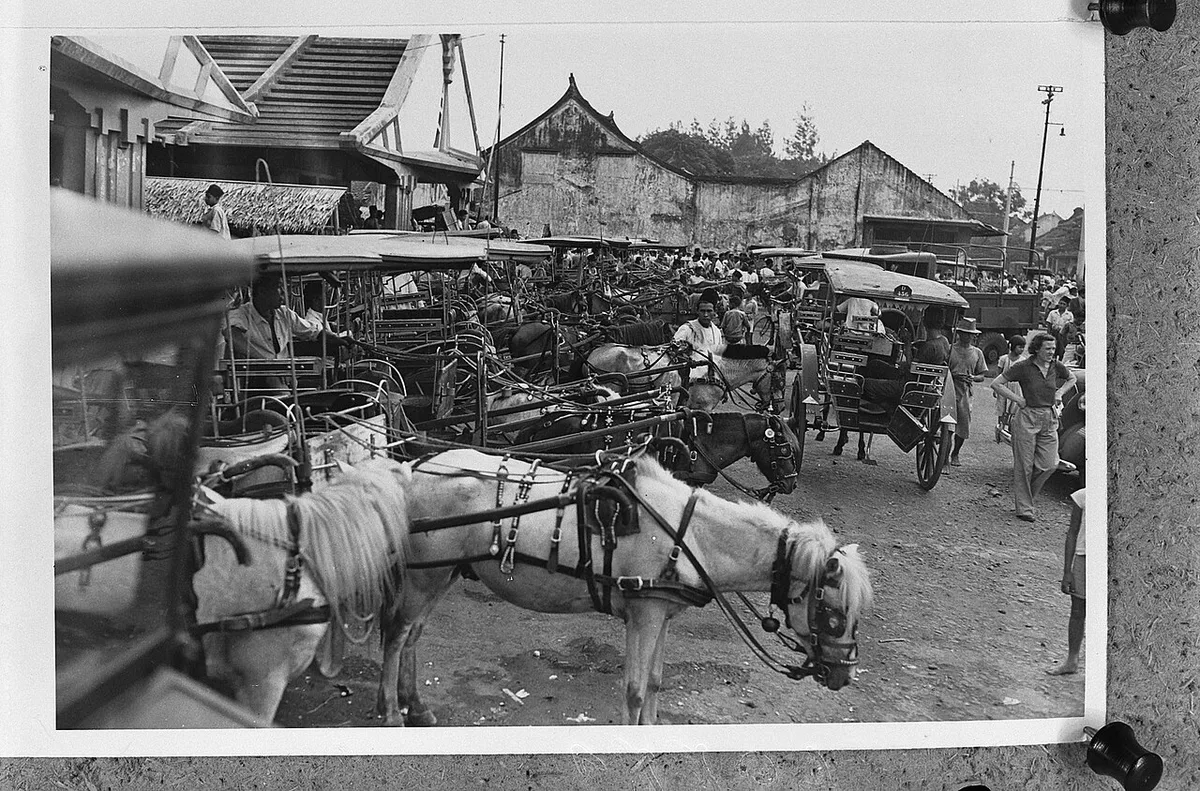
Match the market to your goal before you pick a day. Tanah Abang and Thamrin City are mainly wholesale and textile hubs. Skip them if you have no specific buying goal. Pasar Baru, Jalan Surabaya and the Glodok lanes suit casual browsing far better. The qualitative ratings below are our editorial assessment, not measured data. Opening hours change, so confirm them locally or through the Jakarta tourism site before you go.
| Market | Best for | Best time of day | Bargaining | Crowd and heat load | Fits |
|---|---|---|---|---|---|
| Pasar Baru | Textiles, old-school shopping | Morning | Medium | Medium | First-time visitors |
| Tanah Abang | Wholesale fashion, fabric | Early morning | High | High | Fabric and modest-wear buyers |
| Thamrin City | Wholesale fashion near Tanah Abang | Morning | High | High | Bulk or trade buyers |
| Jalan Surabaya | Antiques, collectibles | Morning, before heat builds | High | Low to medium | Collectors, souvenir hunters |
| Glodok and Old Town lanes | Local lanes, snacks, coffee | Morning or late afternoon | Medium | Medium to high | Walkers, food-minded visitors |
| Pasar Santa | Neighborhood market browsing | Check locally | Low to medium | Medium | Casual visitors in Kebayoran Baru |
| Kemang | Boutiques and galleries | Afternoon | Low (fixed prices) | Low | Design and art shoppers |
Best Jakarta Markets by Type
Each market below has a distinct character. Pick one or two, not all of them.
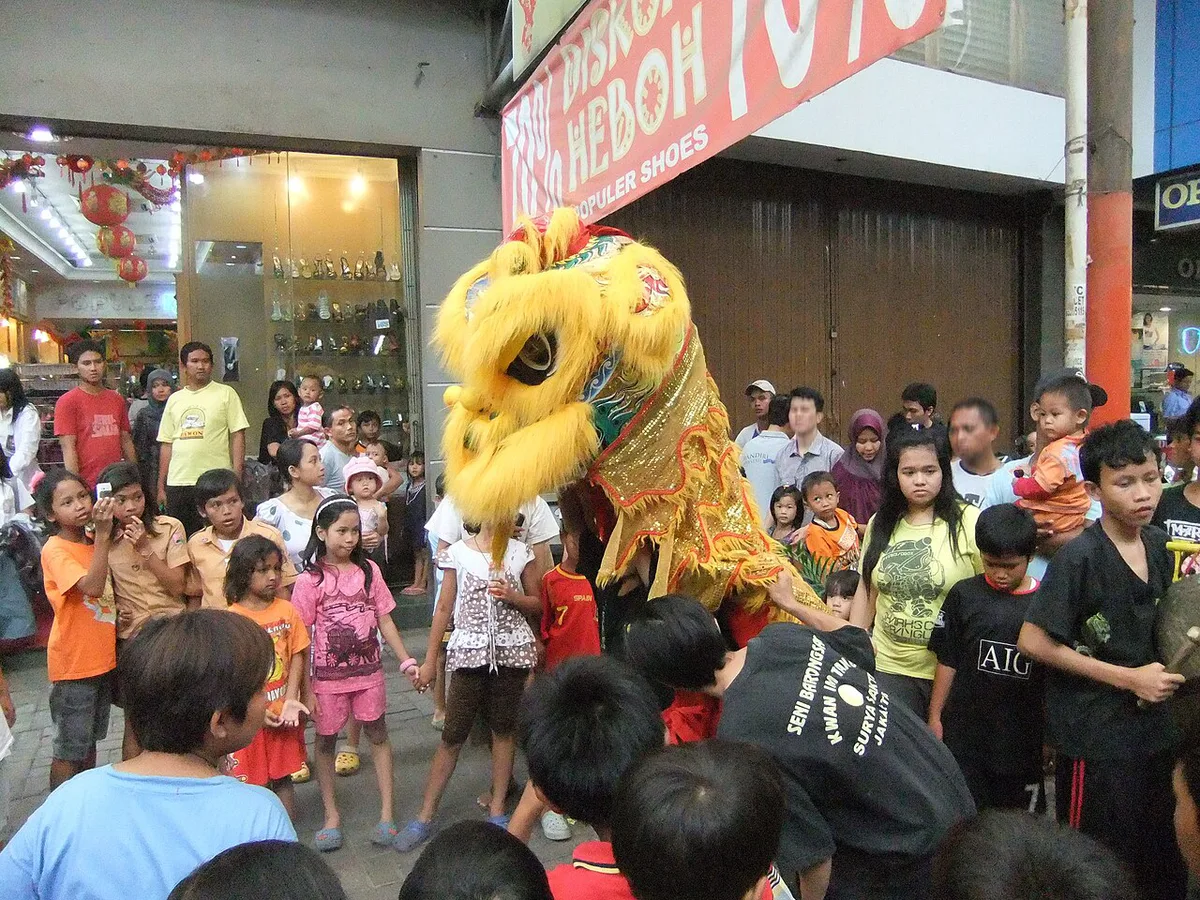
- Pasar Baru: One of Jakarta's older markets, according to competitor coverage that still needs local verification. Expect clothing, footwear and textiles in an old-school setting. It suits first-timers who want a market without wholesale chaos. Skip it if you want only air-conditioned shopping.
- Tanah Abang and Thamrin City: Wholesale fashion and fabric hubs, with Thamrin City sitting near Tanah Abang. Go for batik, silk or modest-wear fabric. Skip both if you are visiting briefly with nothing specific to buy.
- Jalan Surabaya in Menteng: An antiques and collectibles street. Browse furniture, sculptures and curios. Skip it if you have limited luggage space.
- Glodok and Old Town lanes: Local market lanes plus the coffee stop Kopi Es Tak Kie. Pair them with our guide to Fatahillah Square and Old Town.
- Pasar Santa in Kebayoran Baru: A neighborhood market for relaxed browsing. Confirm current stall lines and hours locally before heading south.
- Kemang: Independent boutiques and galleries rather than a market. Prices are usually fixed, so it works as a calm contrast to the wholesale hubs.
How to Plan Your Time
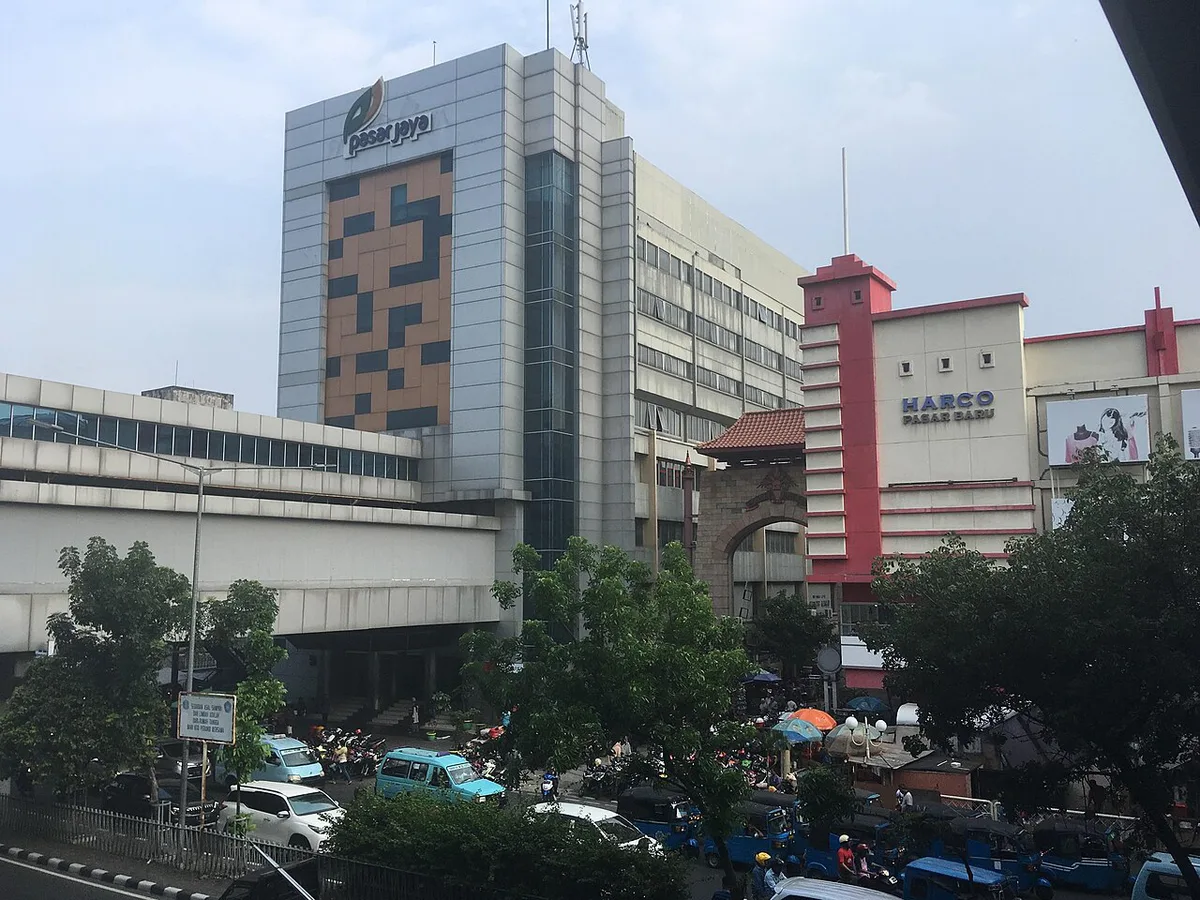
Jakarta traffic and heat shape every plan. Group markets by area rather than chasing one stop per trip. A half-day pairing works well. Combine Old Town, Glodok and a museum stop in the north, or pair Pasar Baru with Central Jakarta sights. Keep Tanah Abang and Thamrin City together, since they sit near each other. Start early at open-air stops and finish indoors once the heat peaks. Our Old Town museum guide offers a cool break between lanes. Pick your month using the best time to visit advice.
Costs, Cash and Bargaining
We have no verified 2026 price lists for these markets, so none appear here. Check current rates locally before you commit. Carry rupiah in small notes, since many stalls prefer cash. Ask two or three stalls for the same item before you buy. Start your counter-offer well below the first quote, and stay friendly. Walk away calmly if the price does not move. Bargaining suits wholesale hubs and antiques streets, but not fixed-price boutiques in Kemang. For official visitor information, see Indonesia's tourism site.
Getting There and Getting Around
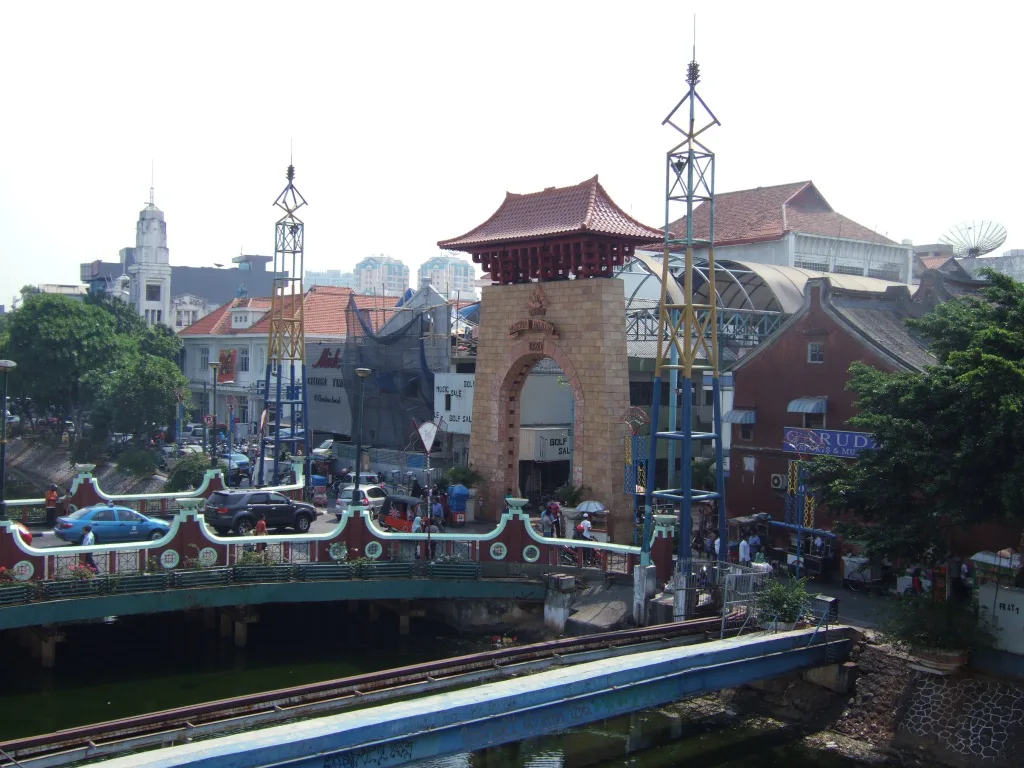
Ride-hailing and taxis are the simplest options between market clusters. Commuter rail, MRT and TransJakarta can work too, but verify routes and stations on the operator pages first. The Jakarta MRT site lists current lines. Avoid peak rush hours, because traffic can erase any time saved. Our Jakarta transport guide covers each option. Choosing a base near your main cluster also helps, and the where to stay guide compares areas. Keep bags zipped and phones out of back pockets in crowded lanes.
Markets Versus Malls Versus Night Markets
Choose markets for textiles, antiques and street-level atmosphere. Choose malls for air conditioning and fixed prices. Our Jakarta malls guide covers that side. Evening browsing is a different plan, so see the night market guide instead. For rainy days, indoor stops matter, so read about the rainy season before you commit to open-air lanes.
Mistakes to Avoid
Most market frustration comes from five avoidable errors.
- Arriving at midday, when heat and crowds peak.
- Accepting the first quote without comparing stalls.
- Carrying large amounts of cash in a loose bag.
- Visiting wholesale hubs with no buying goal.
- Ignoring rain forecasts on open-air stops.
Sample Market Routes and Next Steps
For one day, spend the morning at Pasar Baru, then continue with other Central Jakarta sights. For two days, give day one to Old Town and Glodok. Spend day two on Jalan Surabaya, then Tanah Abang only if you have a fabric goal. Add Kemang or Pasar Santa if you want a softer finish. Confirm hours locally before each stop.
Buying Antiques on Jalan Surabaya
Jalan Surabaya rewards slow browsing rather than impulse buying. Make it one of only one or two market stops that day, especially if you also plan to visit Tanah Abang. The street is best for furniture, sculptures and curios, but large or fragile pieces can be awkward for short-stay travelers.
Ask each seller what an item is, where it came from, and whether any repairs or replacements affect its condition. Photograph labels and details before deciding. Compare similar objects at two or three stalls before making an offer. This helps you judge condition and gives you a clearer sense of the asking range.
For anything bulky, fragile, or old, ask about packing, shipping, and any paperwork needed for transport. Keep receipts and seller contact details. Choose smaller pieces only when you can carry and protect them through the rest of your trip.
Frequently Asked Questions
Are there night markets in Jakarta?
Yes, Jakarta has evening market options. Our night market guide covers them in detail. Check current schedules locally before going.
What's cheap to buy in Jakarta?
Textiles and fashion at wholesale hubs such as Tanah Abang and Thamrin City are the usual bargain categories. We have no verified current prices, so compare quotes across several stalls.
Notes for your Indonesia trip
Optional updates when we add or change a town or island guide.
You might also like

Continue reading
More guides you'll find useful