
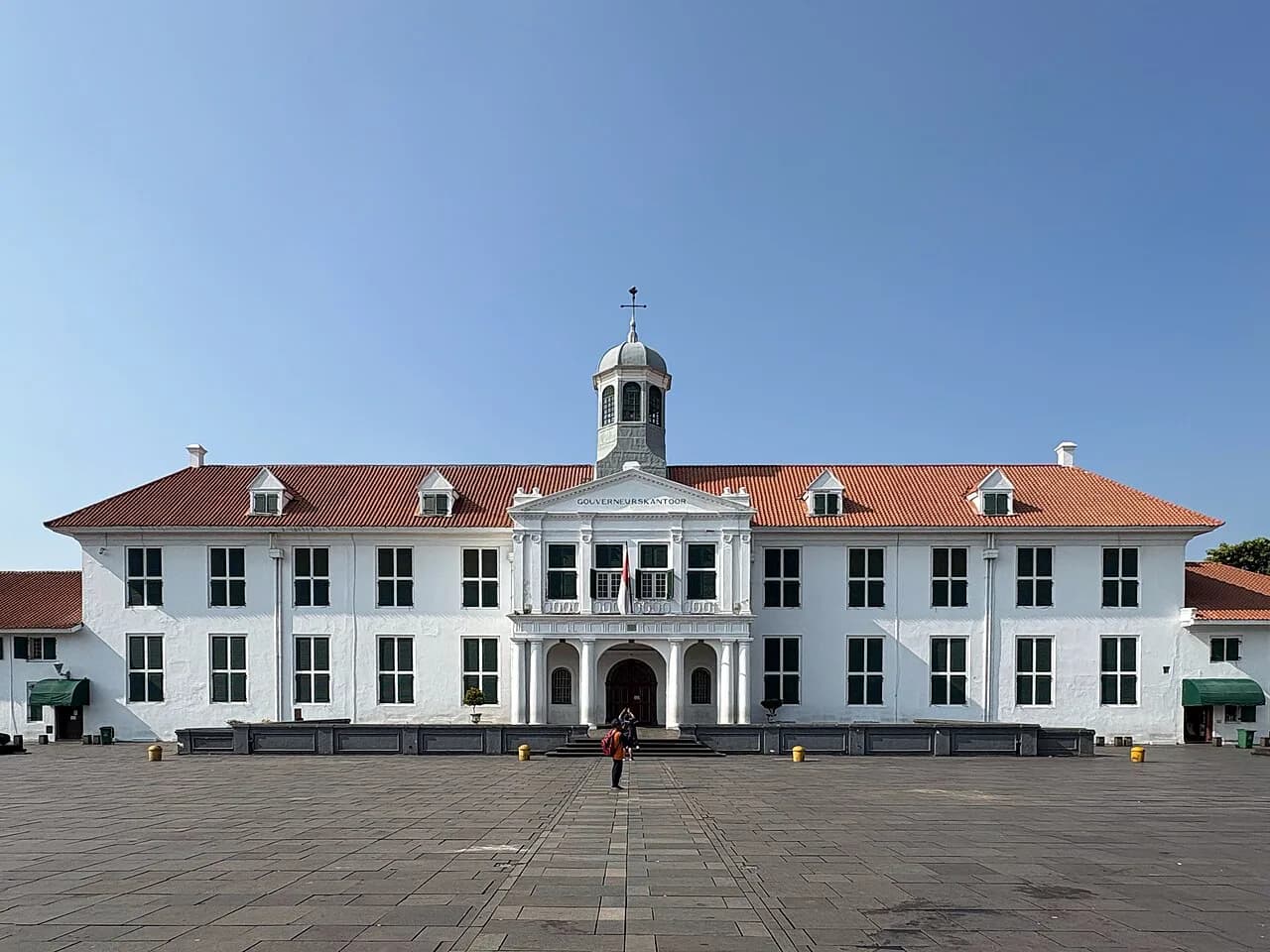
Jakarta History Museum (Museum Sejarah Jakarta): A Visitor's Guide to Kota Tua

The Jakarta History Museum needs about 1.5 to 2 hours inside, plus another hour or so on Fatahillah Square, the cobbled plaza it faces in Kota Tua. It is the same place as Museum Sejarah Jakarta, Fatahillah Museum and Batavia Museum, so don't be confused if signs and tickets use different names. This guide covers where it sits, how to reach it, what fills the galleries, and which nearby museums fit into the same morning.
What the Jakarta History Museum actually is
The museum is a specialized history museum run by the DKI Jakarta provincial government, dedicated to the city's urban growth from early settlement through colonial rule to the modern capital. Its displays combine artifacts, historical maps, colonial furniture, documents and replicas rather than a single chronological walk-through, so expect to move between themes. Because it is a city museum rather than a national collection, the story stays tightly focused on Jakarta itself.
Three other names get used for the same building: Museum Sejarah Jakarta, Fatahillah Museum and Batavia Museum. If a driver or a ticket clerk doesn't recognize "Jakarta History Museum," try Museum Sejarah Jakarta or simply Fatahillah. Knowing the aliases saves time at the entrance and makes ride-hailing searches far easier.

Where it sits in Kota Tua
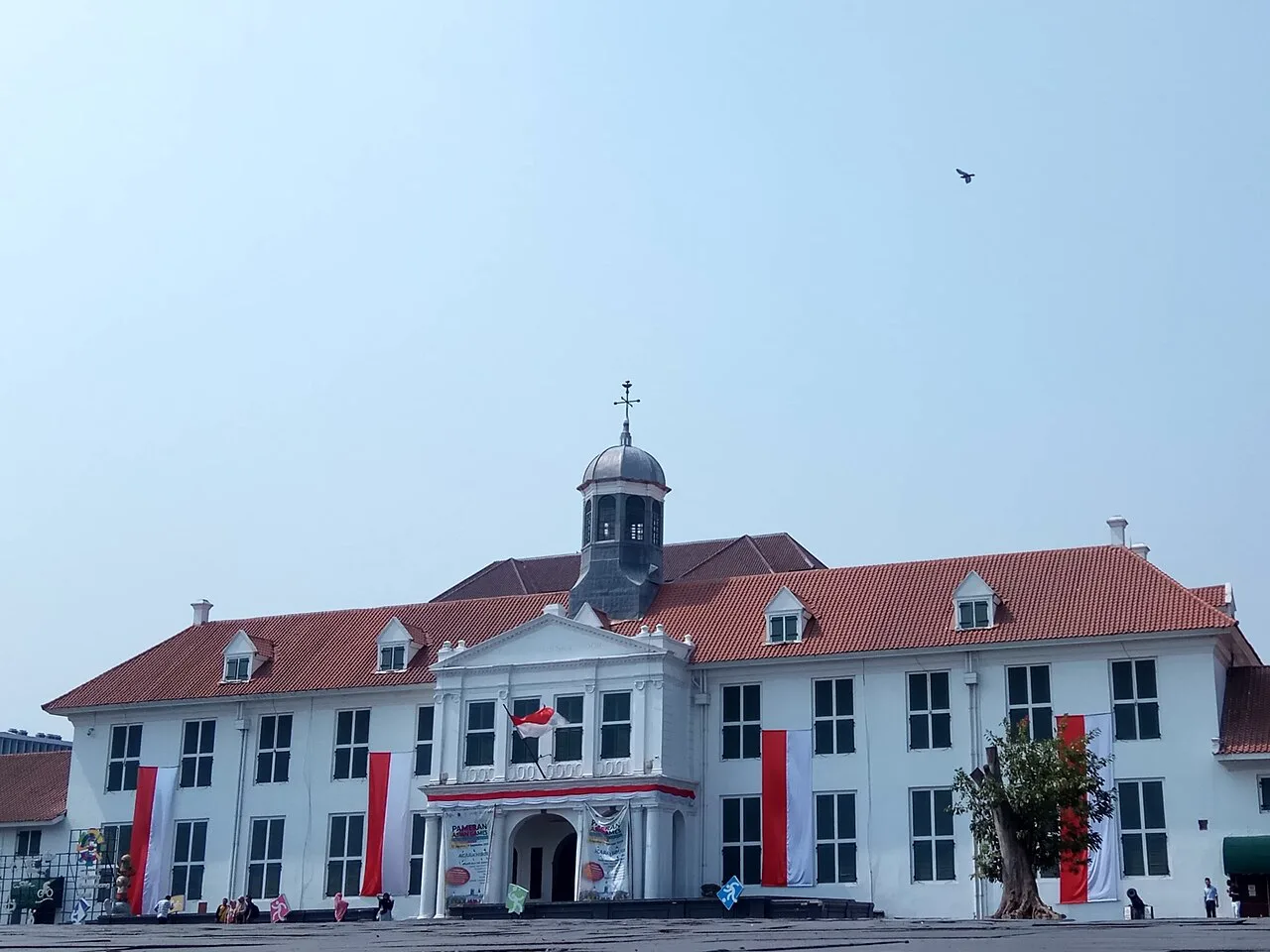
The museum stands on Taman Fatahillah, the central square of the Kota Tua old town, at Pinangsia in the Taman Sari district of West Jakarta. The address is usually written as Jalan Taman Fatahillah, and the square's postal code is 11110, which is handy when typing the destination into a ride app. The building faces the open plaza directly, so you will see its white facade and orange roof before you find the ticket window.
The square is laid out as a pedestrian plaza ringed by heritage buildings, with the history museum on one side, Cafe Batavia opposite the former governor's office, and street performers, bicycle rentals and food stalls filling the open space. Treat the square and the museum as two separate stops: the plaza is free to wander and often busiest on weekends, while the galleries are the ticketed part.
How to get there
Kota Tua is reachable by TransJakarta bus, by KRL commuter rail to the nearby Jakarta Kota station, or by Grab and Gojek straight to the square. Ride-hailing is the simplest option from most of central or south Jakarta and drops you at the edge of the pedestrian zone, from where it is a short walk to the museum steps. TransJakarta and KRL are cheaper but put you a few minutes' walk away, which matters in midday heat, so check routes when planning your Jakarta arrival.
Traffic into the old town can be slow, especially on weekday afternoons when the surrounding wholesale streets are busy, so allow buffer time if you are connecting to another stop. If you are pairing the museum with a modern collection across town at the National Museum of Indonesia in Jakarta, plan the two on separate mornings rather than trying to squeeze both into one hot afternoon.
The building itself
The structure was built between 1707 and 1710 as the Stadhuis, the city hall of Batavia, and it opened as the Jakarta History Museum on 30 March 1974. That double life shows in the architecture: a symmetrical colonial facade, tall windows and a interior that still reads as a civic building rather than a purpose-built gallery. Look up at the proportions of the rooms before you focus on the display cases.
Below the main floors, secondary guides describe a centuries-old prison area that once held rebels and criminals, and the building's upper floor holds a substantial collection of 17th- and 18th-century colonial furniture. These lower and upper spaces are the parts visitors most often mention, so check signage on arrival to confirm which sections are open that day.

What to see inside
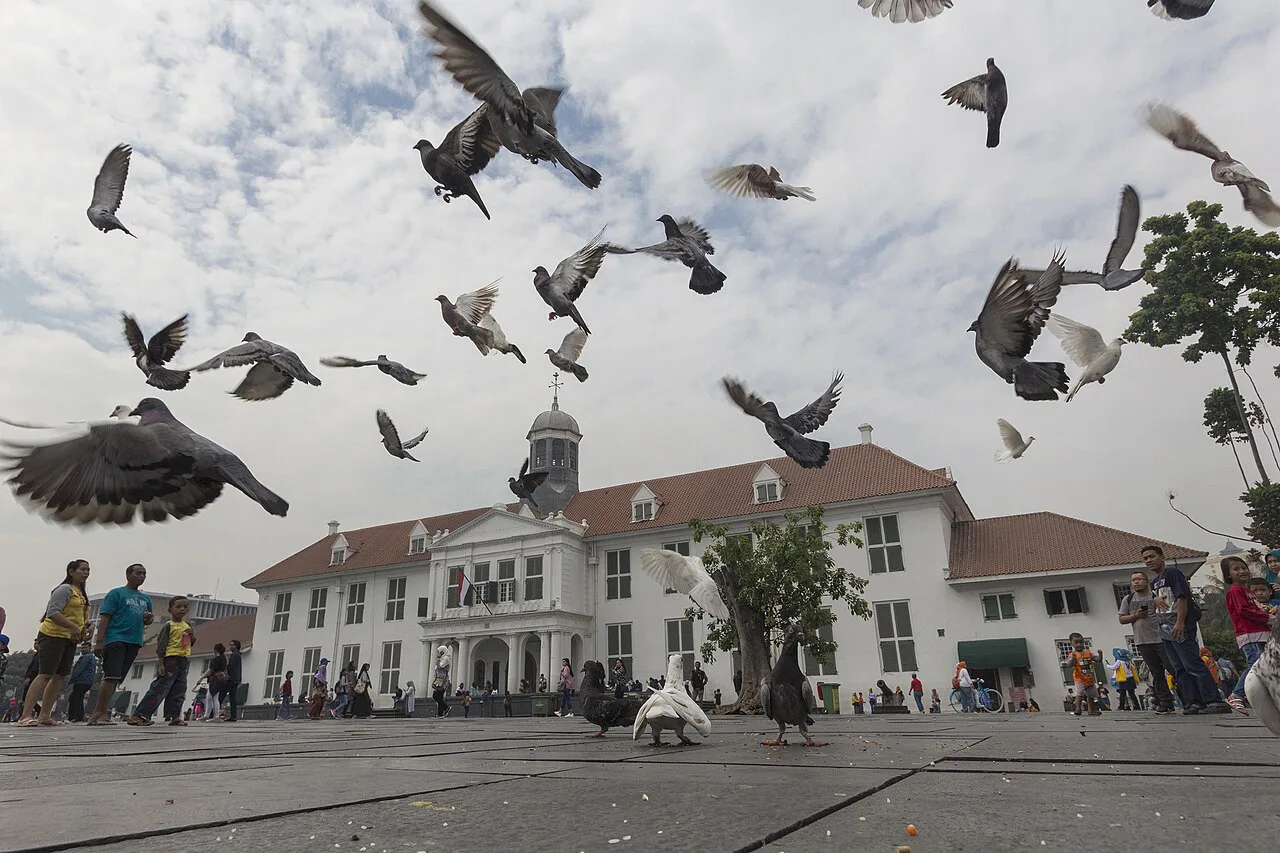
Collections trace Jakarta from prehistoric times through the Sunda kingdom, Dutch trading era and independence period, using maps, ceramics, cannons recovered from the harbor and dioramas of the independence struggle. The strength of the museum is breadth rather than blockbuster treasures, so read the panels rather than skimming cases. Photography is permitted in most galleries, and the dramatic front courtyard is a favorite frame for the facade.
How much time to allow
A realistic split is 1.5 to 2 hours inside the galleries, then 45 minutes to an hour on Fatahillah Square for photos, a drink and a look at the street life. The wider old town area is often described as a three-to-five-hour stop if you add other museums, so a half day covers the museum plus one neighbor comfortably. If you only have an hour, pick the ground-floor displays on Batavia's growth and skip the upper furniture rooms.
Tickets and opening days
Published sources conflict on details here. One guide says the museum is open Tuesday through Sunday from morning to late afternoon with modest entry fees and student discounts, while a listing for the old town area quotes 8:00 AM to 9:00 PM for the square as a whole. Neither is an official museum schedule, and neither gives a firm rupiah price, so confirm days, hours and the current ticket cost at the entrance or through the DKI Jakarta provincial channels before you travel across town.
What else is on or near the square
Museum Bank Indonesia on Jalan Pintu Besar Utara sits a short walk from the plaza and pairs naturally with the history museum if you want the trading and banking side of old Batavia. The Postal Museum and the Museum of Fine Arts and Ceramics are also within the old town cluster, and Cafe Batavia, in a building dating to around 1805, faces the former governor's office for a sit-down meal. Plan two museums maximum in one visit, or the galleries blur together.
If you want a wider view of Jakarta beyond the old town, other corners of the city reward a separate day, such as the scaled-down archipelago at Taman Mini Indonesia indah in East Jakarta on Jl Raya Taman Mini. Keep that for another morning; Kota Tua alone fills a half day.
When to go
Weekday mornings are the calmest time in the galleries and the coolest on the open square, which bakes by early afternoon. Late afternoon brings warmer light for photographing the facade and livelier street performers, but also more crowds around the plaza. Carry water either way, since shade on Taman Fatahillah is limited.
Is the Jakarta History Museum worth a morning?
Yes, if you want Jakarta's backstory in a single building and can pair it with one neighboring museum on the same square. Skip it if you have only a layover and no tolerance for old-town traffic; in that case a single central museum is the better use of a few hours. Go early on a weekday, confirm the day's hours at the entrance, and leave time to sit on the square rather than rushing back into a car.
Explore more Jakarta guides
Frequently Asked Questions
Is the Jakarta History Museum the same as Fatahillah Museum?
Yes. Jakarta History Museum, Museum Sejarah Jakarta, Fatahillah Museum and Batavia Museum all refer to the same building on Taman Fatahillah in Kota Tua. The name on signage and tickets may vary, so use the Indonesian name when asking for directions.
Do I need to book tickets in advance?
Advance booking is not described in the visitor accounts available, and most people appear to buy at the entrance. Check the current ticketing arrangement with the museum or the DKI Jakarta provincial government before relying on walk-up entry on a holiday.
Can I visit other museums on the same day?
Yes. Museum Bank Indonesia, the Postal Museum and the Museum of Fine Arts and Ceramics are all in the old town cluster around Fatahillah Square. Two museums in one outing is realistic; three or more tends to blur into fatigue.