
Wayang Museum Jakarta: What to See Inside Museum Wayang in Kota Tua

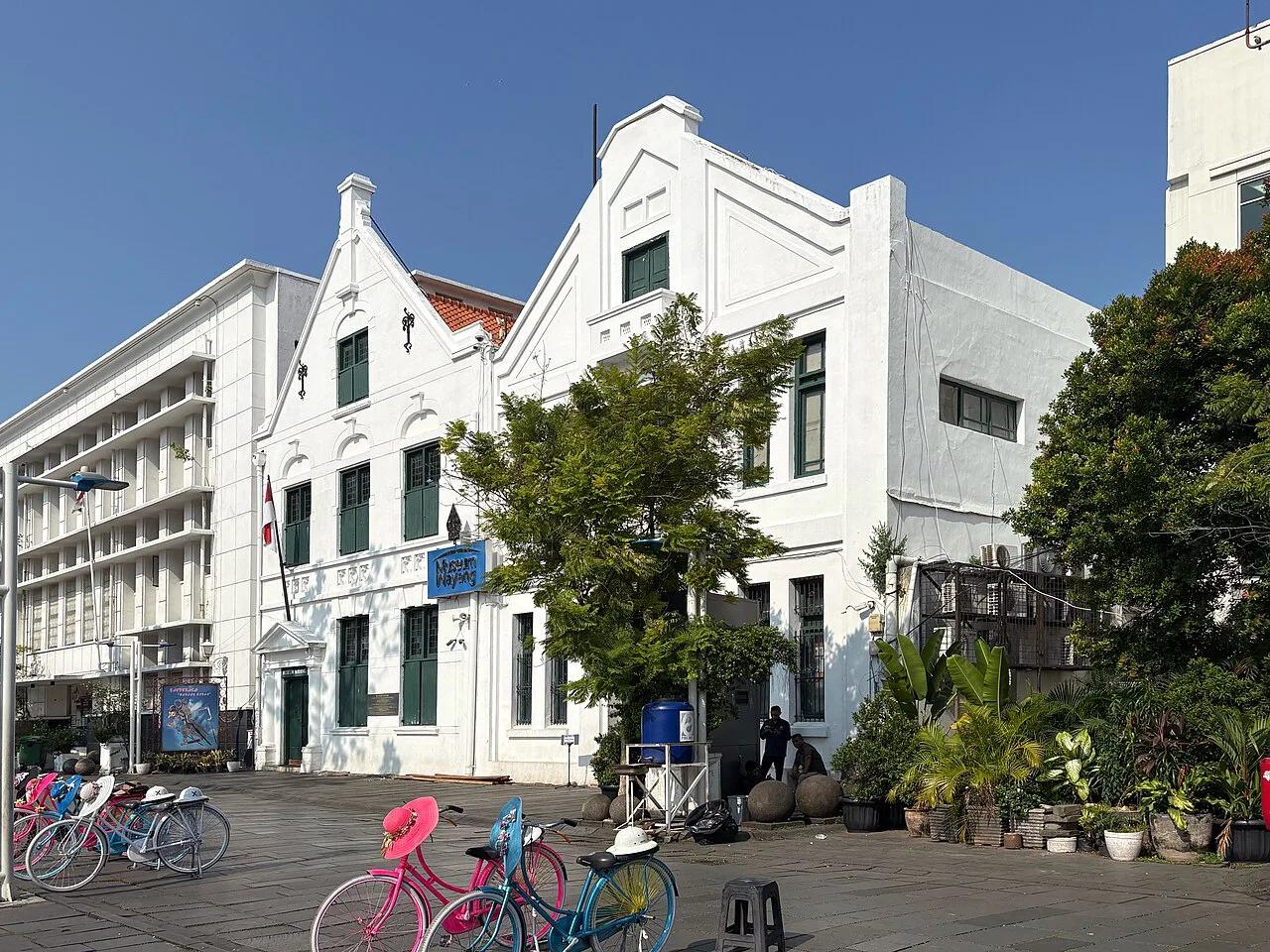
Museum Wayang is a compact, one-to-two-hour stop in Jakarta's Kota Tua, and the reason to go is the building as much as the puppets: a 1640 Dutch church that later became a warehouse before it housed wayang. It sits on Jalan Pintu Besar Utara No. 27 in West Jakarta, a short walk from the Taman Fatahillah square. This page covers where it stands, how to reach it, what the layered history explains inside, and how to fit it into a Kota Tua morning.
Where Museum Wayang sits in Kota Tua
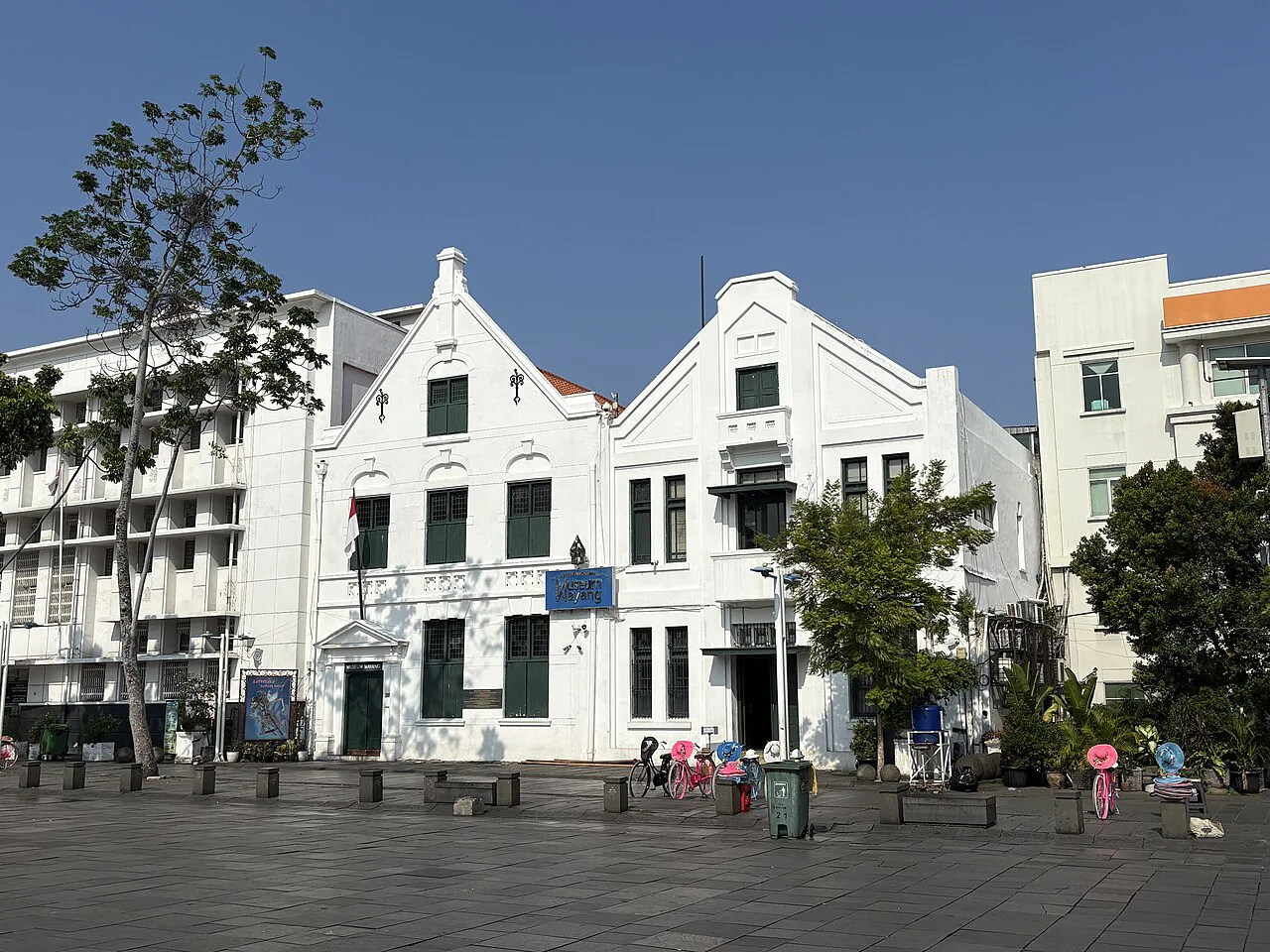
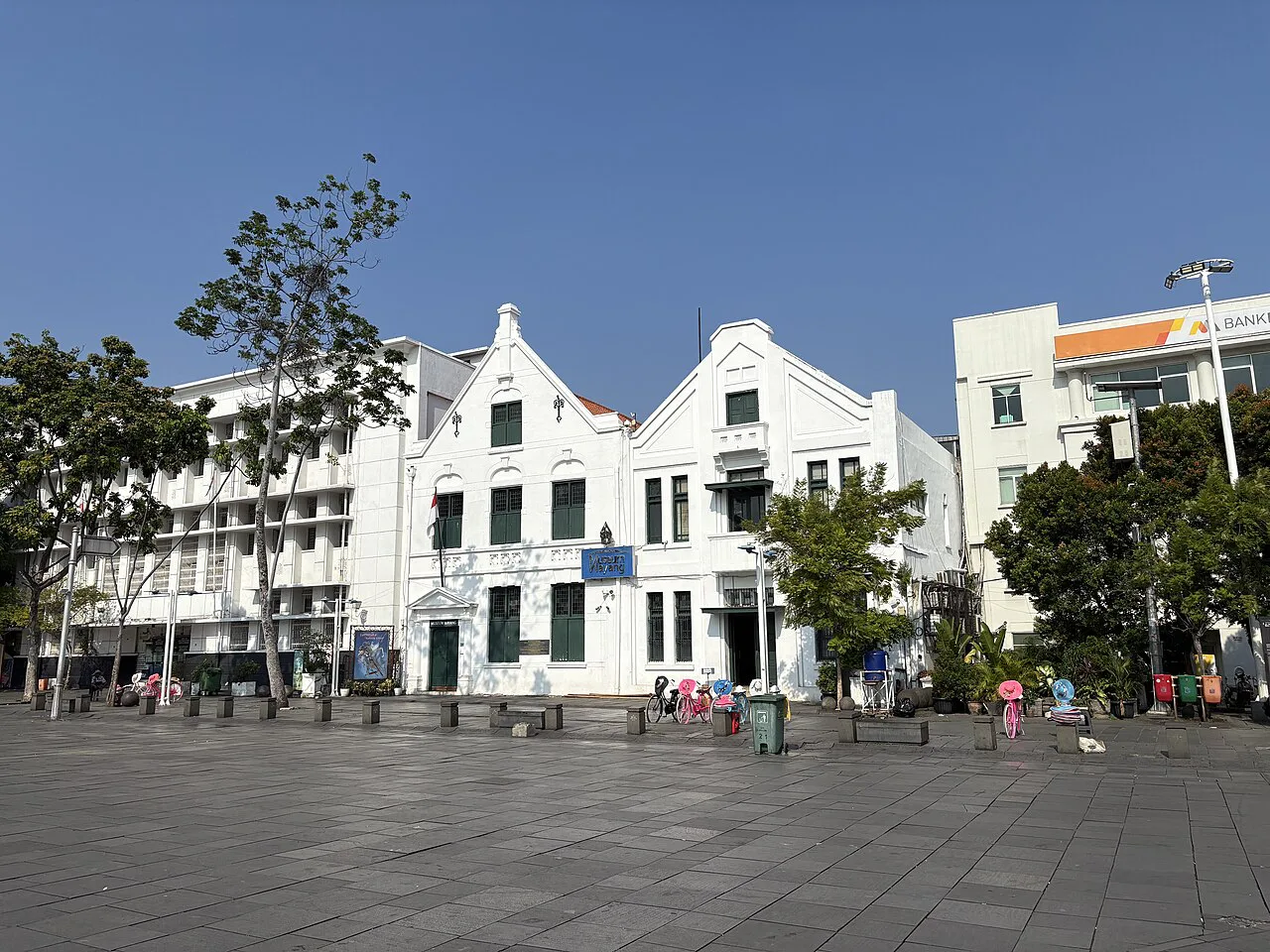
The museum address is Jalan Pintu Besar Utara No. 27, Jakarta Barat, on the north side of the old Batavia grid. It faces the same historic quarter as Taman Fatahillah, the paved square in front of the Jakarta History Museum, and the two are close enough to visit back to back on foot. Use the square as your landmark rather than hunting for a signboard on a one-way street.
For orientation, think of Kota Tua as a walkable cluster: the square, the history museum, the puppet museum and the old streets toward Glodok all sit within a few minutes of each other. If you want the wider layout before you commit a morning, the Jakarta Attractions: 8 Visitor Guides overview maps the main stops in this quarter.

How to get to the Kota area and walk in
Most visitors arrive by Transjakarta bus or KRL commuter line to the Kota area, then walk the last stretch into the old town. Both put you within a manageable walk of Taman Fatahillah, and from the square the puppet museum is a few blocks northeast along Jalan Pintu Besar Utara. Ride-hailing apps such as Grab and Gojek are the simplest door-to-door option if you are coming from South Jakarta, where traffic can eat the savings of a cheaper mode.
Ask the driver to drop you at Taman Fatahillah rather than the museum gate, because the surrounding lanes are narrow and often clogged. From the square, walk with the history museum behind you and follow the street signs for Museum Wayang. Allow extra time in the middle of the day, when tour buses unload at the square and the pavements fill up.
The building: a 1640 church, then a warehouse, then a museum
The structure began as a Dutch church built by the VOC in 1640 and known as de oude Hollandsche Kerk, serving Batavia's civilian and military Dutch population. It was renovated in 1733 and renamed de nieuwe Hollandsche Kerk, and it stood in that role until around 1808. The Association of Indonesian Museums account traces this sequence in detail, including the later earthquake damage that left the church unusable.
After the church was ruined, a new building went up on the site and served as a warehouse for the firm Geo Wehry & Co. The front section was rebuilt in 1912 in Neo-Renaissance style, and the whole building was reworked in 1938 to match colonial Dutch townhouse lines; it was designated a monument on 14 August 1936. The Jakarta provincial government's own post on the museum makes the same point plainly: what you walk into today reads as a church, a warehouse and a museum in one shell.
The museum identity came later: the Bataviaasch Genootschap bought the property, handed it to the Stichting Oud Batavia, and the building opened as the Oude Bataviasche Museum on 22 December 1939. The dedicated wayang museum itself is usually credited to Jakarta governor Ali Sadikin's push after the Second Wayang Festival in 1974, with the museum opening in the mid-1970s. Sources describe those steps differently, so treat any single inauguration year with caution and read the displays for the fuller timeline.

The nine Dutch gravestones in the courtyard garden
The open courtyard that now serves as the museum garden holds nine inscribed stones marking Dutch officials once buried in the churchyard. Several carry Dutch-language inscriptions and VOC-era names, which is why the garden reads as a cemetery as much as a forecourt. Walk it before you go inside, because the stones give context to the colonial history the display rooms assume you already know.
Look for the older markers set into the walls as well as the free-standing stones, since some fragments were reused when the building was rebuilt. The Jakarta provincial post notes that Dutch inscriptions and VOC officials' gravestones remain visible in the complex today. Photography in the garden is straightforward; the indoor rooms are dimmer and less forgiving.
What's inside: the wayang collection
Inside, the museum covers wayang as a national tradition rather than a single Javanese form. Expect Javanese shadow puppets (wayang kulit) cut from cowhide and worked by a dalang behind a screen, plus flat wooden puppets and three-dimensional figures from other parts of Indonesia. The collection also extends to puppets from abroad, including Europe, China and Cambodia, according to the Jakarta Walking Tour account of the displays.
Gallery labels are mostly in Indonesian, so read the silhouettes and costumes rather than relying on text: the shape of a puppet's face and the cut of its costume often signal its character type. The Indonesia.travel destination page frames the museum as an educational stop introducing wayang's philosophical and historical values, which is a fair description of the pace inside. Note that the same page lists no officially registered collection data, so treat specific object counts as approximate.
Do not count on catching a live performance. The museum may host cultural activities and temporary exhibitions, but no fixed show schedule is published in the sources here, so ask at the desk on the day if a demonstration matters to you.
How long to allow, and pairing it with Fatahillah Museum
Budget about an hour for the puppet museum, or 90 minutes if you read the labels and sit with the courtyard stones. The building is small, and the visit works best as a focused stop rather than a half-day of its own. Adding the Jakarta History Museum across Taman Fatahillah turns the trip into a solid half-day in the old town.
Order matters: do the history museum first for the city's arc, then the puppet museum for the cultural collection, and finish with a walk through the square. If you are building a longer Jakarta museum list, the National Museum of Indonesia in Jakarta gives the archaeological and ethnographic background that makes both old-town collections easier to read.
For a change of scale after the old town, Taman Mini Indonesia indah in East Jakarta compresses the archipelago's regional architecture into one park, and the Jl Raya Taman Mini address is well outside the Kota Tua core, so plan it as a separate trip.
Tickets and opening hours: verify before you go
No source in this guide confirms current ticket prices, opening days or holiday closures for Museum Wayang, so do not build your day around a number you read online. Check the sign at the entrance when you arrive, or look for the Jakarta provincial museum service's current listing before you travel. Ticket desks in Jakarta museums generally handle cash and card, but confirm that on the spot.
Museum hours in Jakarta can shift around public holidays and provincial closures, and the old-town museums sometimes close without much notice. If the puppet museum is your priority, arrive in the morning, when staffing is most predictable, and keep the square and the history museum as your fallback. One quick check at the gate saves a wasted trip across the city.
Is Museum Wayang worth an hour in Kota Tua?
Yes, if you are already in Kota Tua and want one small, layered building rather than another large gallery. The 1640 church shell, the courtyard gravestones and the nationwide puppet collection give you more story per square meter than most stops in the quarter, and an hour is enough to see it properly.
Skip it if your Jakarta time is short and you have not yet seen the National Museum of Indonesia in Jakarta, which carries far more of the country's material history under one roof. Either way, confirm hours and tickets at the door, then pair the visit with Taman Fatahillah while you are there.
Explore more Jakarta guides
Frequently Asked Questions
Is Museum Wayang the same as the Jakarta History Museum?
No. Museum Wayang is the puppet museum on Jalan Pintu Besar Utara No. 27, while the Jakarta History Museum occupies the old town hall on Taman Fatahillah. They are separate buildings with separate entries a short walk apart, so plan them as two stops.
Can I see a wayang performance at the museum?
The museum may host cultural activities and temporary exhibitions, but no fixed performance schedule is published in the sources here. Ask at the ticket desk on the day you visit if a demonstration or show is planned.
How do I get from Taman Fatahillah to Museum Wayang?
Walk. From the square, head northeast along Jalan Pintu Besar Utara and the museum front is on your right. The walk is short and flat, and it is easier than moving the car for such a small distance.
Sources
- Hai Sahabat Kota Tua, Tahukah kalian bahwa Museum Wayang di Kota Tua dulunya merupakan sebuah gereja yang dibangun pada tahun 1640? Tempat ini pernah menjadi ruang ibadah umat Kristiani sekaligus menyimpan jejak Sejarah kolonial, mulai dari nisan para pejabat VOC hingga prasasti berbahasa Belanda ya
- Museum Wayang Jakarta: History & Cultural Education
- Museum Wayang, A Cultural Heritage to Visit at Jakarta Old Town on Walking Tour in Jakarta – Jakarta Walking Tour