
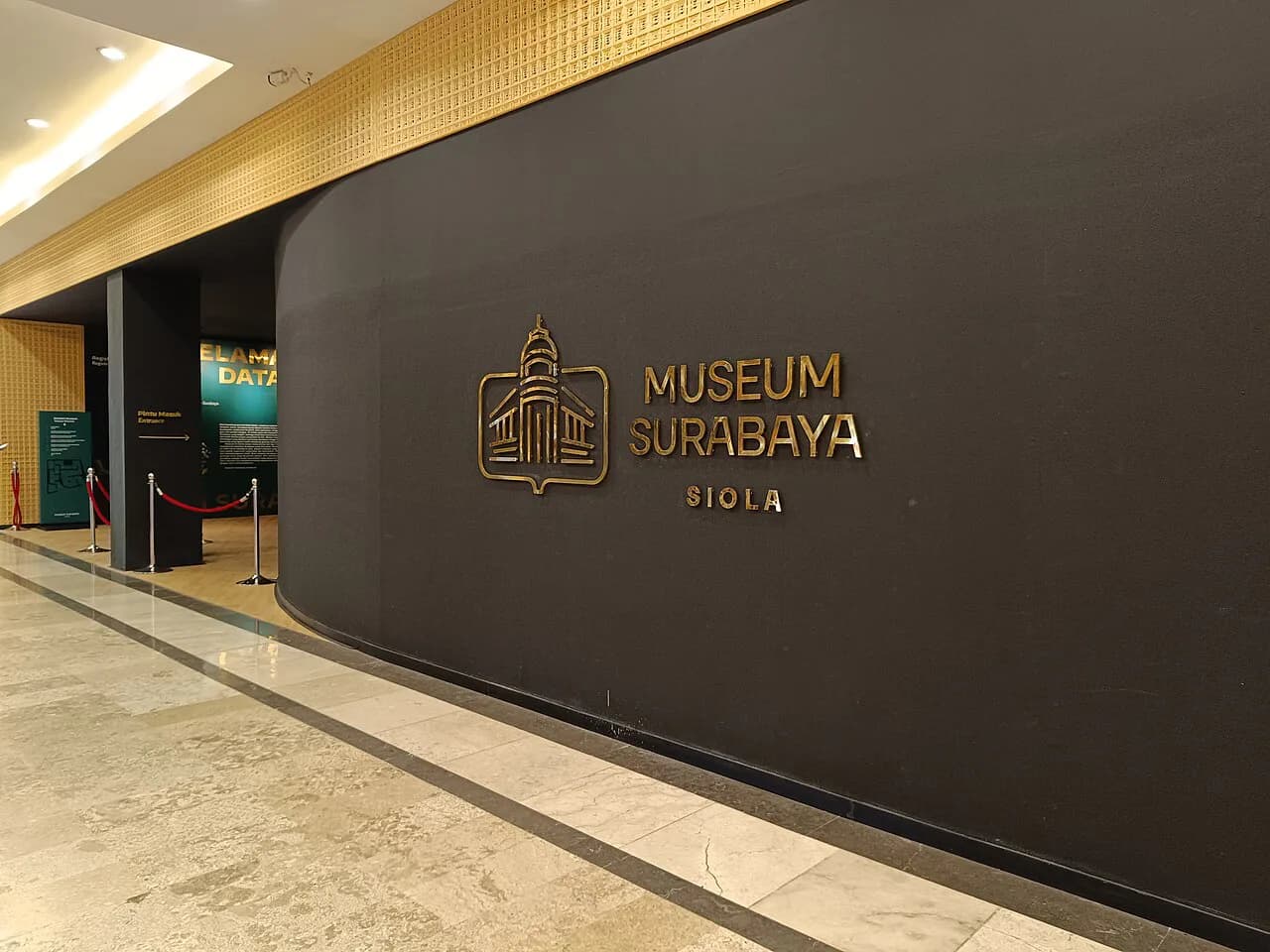
Museum Surabaya (Gedung Siola): A Practical Visitor Guide

Museum Surabaya is a city history museum on the first floor of Gedung Siola on Jalan Tunjungan in central Surabaya, and about an hour to ninety minutes is enough for most visitors. It is not a standalone museum campus: you walk into a working city government building and find the displays on one level. This guide covers what the museum actually is, how to get there, which objects are worth your attention, how much time to budget, and which downtown sights combine with it.
Expect a modest, locally focused collection rather than a national blockbuster. The payoff is convenience: it sits in the middle of the city, so it slots into a half-day walk between Balai Pemuda, Hotel Majapahit and Monumen Kapal Selam instead of demanding a dedicated trip across town.
What Museum Surabaya Actually Is
This is a general historical museum run by the Surabaya city government, with displays built around local heritage rather than a broad national narrative. Indonesia.travel describes it as a repository of the city's historical and cultural heritage, covering Surabaya's development from its colonial period to the present. It was inaugurated on May 3, 2015, in a 19th-century building that began life as a commercial center.
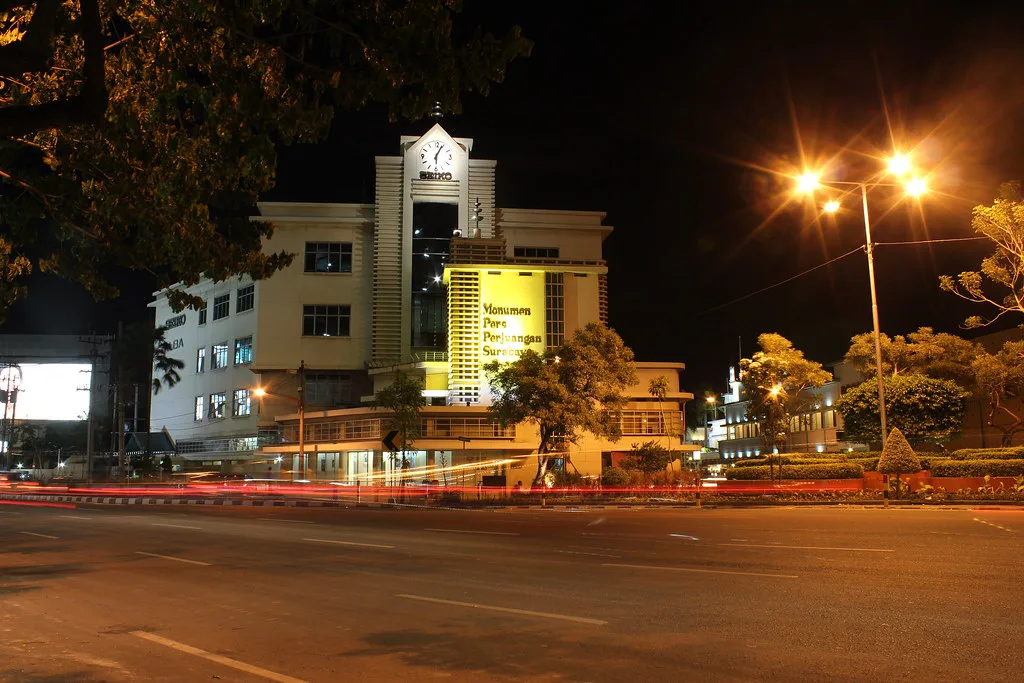
The building matters as much as the cases. A student account describes Gedung Siola as Surabaya's first modern shopping center in the Dutch colonial era, later used as a defensive position during the fighting of November 1945. Knowing that helps you read the exhibits: you are standing in a piece of the story they tell, not in a purpose-built gallery.
One practical point before you go: the museum occupies the first floor of Siola, not the whole building. Other floors handle city services and archives, so do not expect to wander the entire structure. If you want the wider picture of the city around it, browse the full set of Surabaya Attractions: 15 Visitor Guides to see how this stop fits alongside the old town and the monuments.

Where It Is on Jalan Tunjungan
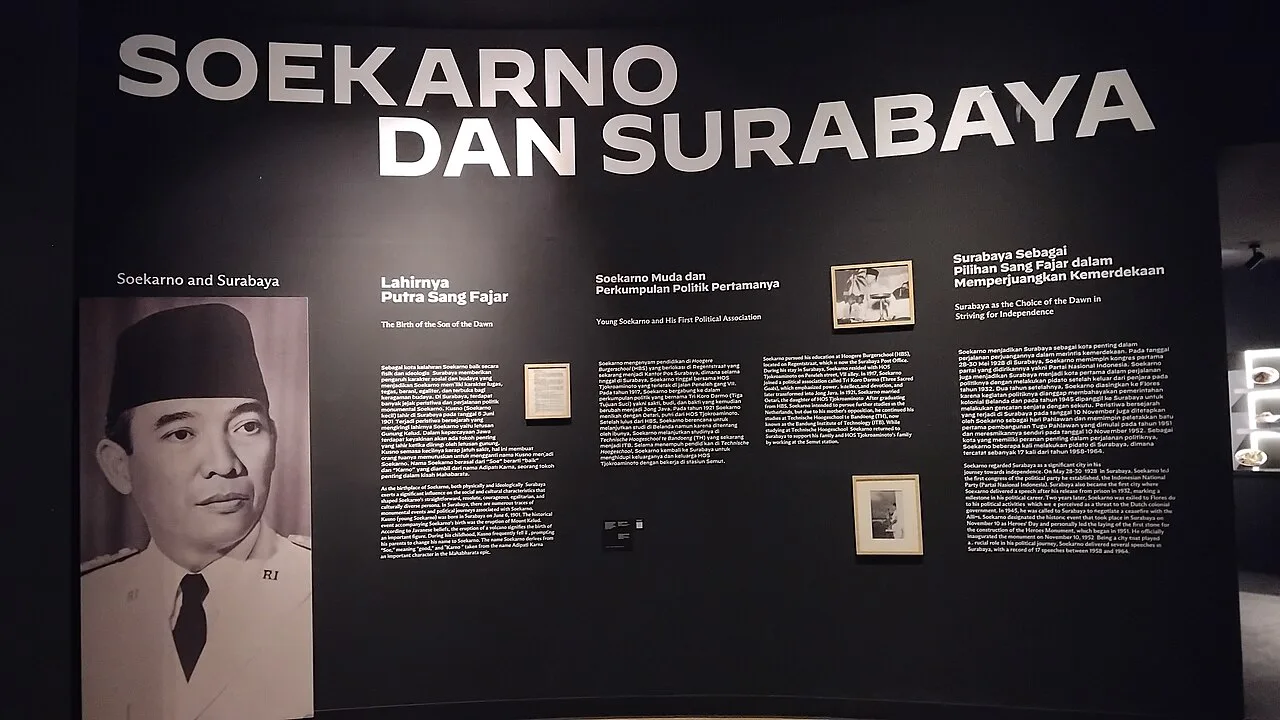
The address is Gedung Siola, Jalan Tunjungan No. 1, in the Genteng area of central Surabaya. The location is about as central as it gets, close to Balai Pemuda, Hotel Majapahit and Monumen Kapal Selam, which makes a combined downtown walk realistic on foot.
Jalan Tunjungan itself is a historic commercial street, and the building sits among offices and shops rather than in a museum quarter. That is the trade-off: less atmosphere than a dedicated heritage site, far more convenient if you are already downtown or staying nearby.
How to Get There
Treat this as a downtown stop, not a cross-city haul. Ride-hailing cars from Grab or Gojek and Bluebird taxis are the simplest option for visitors not staying within walking distance, and any driver will know Jalan Tunjungan. Ask to be dropped at the Siola entrance rather than on the opposite side of the road.
Because the museum shares a working government building, entrance arrangements and visitor access can change with building operations. Confirm which door is in use for museum visitors when you arrive, or ask your hotel to check before you set out, and ask at the building about where entry is handled.
What You See Inside: Around 1,000 Objects
The collection is usually described as more than 1,000 items, arranged by theme: city government, everyday life, technology, and transport. Indonesia.travel lists antique office equipment, typewriters and old telephones, classic vehicles, and local historical documents and memorabilia among the holdings, each with contextual descriptions.
A student write-up of the museum breaks the displays down in more detail. It names typewriters and telephones from government offices, uniforms and attributes of Surabaya mayors over time, a replica of the mayor's working office with period furniture, old firefighting equipment including a preserved fire truck, vintage medical and laboratory gear, classic bicycles and motorcycles, and documents, photographs and old maps of the city.
If your time is short, head for two things first: the replica mayor's office, which gives you a sense of how the city was administered, and the vintage fire truck, the kind of large object that photographs well and holds children's attention. The paper archive — maps and old photographs — rewards a slower read if you want to match streets you have already walked to their earlier shapes.
How the Displays Are Presented
Presentation is more modern than the building suggests. The same account describes interactive screens showing documentary video, interactive maps and historical animation, audio guides for detail on individual objects, and an audiovisual room used for documentary screenings, seminars and educational activities.
Guided tours are also mentioned, and school and university groups use the space regularly. Treat all of this as features that exist rather than a fixed timetable: no source gives screening times or tour departure slots, so ask at the desk what is running that day instead of planning around a schedule you found online.
How Long to Allow, and Who It Suits
Budget roughly one hour for a focused pass and up to ninety minutes if you read the labels and use the interactive screens. That is the honest shape of a single-floor city museum: substantial enough to justify the stop, compact enough that it will not eat an afternoon.
It suits travelers who want context on Surabaya rather than spectacle, and families with children old enough to read or watch a short video. The facilities described include parking, toilets, a mushola, a lift for visitors with mobility needs, and a souvenir shop; the lift is the detail worth noting if anyone in your group cannot manage stairs.
Anyone hunting for an immersive, all-day attraction should adjust expectations. This is a civic museum inside a busy public building, and its value comes from being quick, central and specific about one city. Pair it with a walk rather than making it the day's main event.
Tickets and Opening Hours: Check Before You Go
Entry is described as free to the public, but treat that as something to confirm rather than a guarantee. A student article states the museum is free for everyone from schoolchildren to foreign tourists; check the current position at the building when you arrive.
Opening hours are where published claims diverge, so do not build a tight plan around any single version. One social media post lists 9:00 to 16:00, tied to the active hours of Gedung Siola, while a travel round-up lists Monday to Saturday 9:00 to 21:00 with Sunday closed.
The safe move is to visit on a weekday morning: both the social post and the travel round-up put opening at 9:00 and the round-up has the museum open Monday to Saturday, though their closing times differ. Verify the day's hours with the museum or Gedung Siola before making a special trip. That is the one check-current-details step that genuinely matters here.
What Is Nearby
Several downtown sights sit close enough to combine on foot. Balai Pemuda, Hotel Majapahit and Monumen Kapal Selam are all near the museum, which makes a straightforward loop from Jalan Tunjungan.
For the colonial core and the river, head north toward Kota Lama Surabaya and the Kalimas river, which reward a separate half-day rather than a rushed add-on. If you would rather stay in the center, the green space of Taman Bungkul sits along Jalan Raya Darmo to the south.
Other Surabaya Museums as Add-Ons
If the city history theme lands, two nearby options deepen it without repeating it. Museum Sepuluh Nopember, at the Tugu Pahlawan in Surabaya complex, is devoted to the November 1945 battle, and House of Sampoerna covers the city's industrial and tobacco history. Both are separate visits, not extensions of the Siola displays.
Specialist collections round things out: De Javasche Bank has banking heritage from the Dutch period, and Blockbuster Museum Surabaya holds film and comic figurines, with the latter charging admission according to a travel round-up. Pick one based on your interest rather than trying to tick off several in a day.
Is Museum Surabaya Worth an Hour?
Yes, if you are already downtown or want a quick, low-cost grounding in how Surabaya governed and lived. The combination of a 19th-century commercial building, a replica mayor's office, an old fire truck and a paper archive of maps and photographs is specific enough to justify roughly an hour, especially when it anchors a walk past Balai Pemuda and Monumen Kapal Selam.
Skip it or downgrade it to a rainy-hour backup if you want a headline attraction or have only one day for the city and would rather spend it at the Tugu Pahlawan or in the old town. Either way, confirm the day's opening hours before you go, since published schedules disagree.
Explore more Surabaya guides
Frequently Asked Questions
Is Museum Surabaya good for kids?
It can work for children who can read labels or sit through a short video. The vintage fire truck, classic motorcycles and interactive screens tend to hold attention, while the document archive will not. The building has a lift, which helps if you are visiting with a stroller or with someone who cannot manage stairs.
Do I need to book Museum Surabaya in advance?
Individual visitors are generally not expected to book ahead, but if you are bringing a school, university or large group, contact the museum or Gedung Siola beforehand, since groups use the space regularly and arrangements can vary.
Can I combine Museum Surabaya with the old town in one day?
Yes, but give each its own half-day. The museum is compact and sits on Jalan Tunjungan, while the colonial core around the Kalimas river is a separate area to the north. Trying to cover both in a single rushed block leaves too little time for either.
Sources
- Surabaya Museum – History, Collection, & Museum Indonesia Guide
- "Menelusuri Jejak Sejarah di Museum Surabaya: Wisata Edukatif di Tengah Kota Pahlawan HMP Pendidikan Fisika "Menelusuri Jejak Sejarah di Museum Surabaya: Wisata Edukatif di Tengah Kota Pahlawan
- 10 Museum di Surabaya yang Paling Hits dan Sarat Sejarah