
Museum Sri Baduga in Bandung: A Practical Visitor Guide

Museum Sri Baduga is a history and culture museum, not an afternoon filler: plan on roughly 90 minutes to two hours if you read labels, and longer if you like prehistoric stone. It sits on Jalan B.K.R. No. 185 in Astanaanyar, directly across from Lapangan Tegalega and its Bandung Lautan Api monument, so the visit starts the moment you step out of the car.
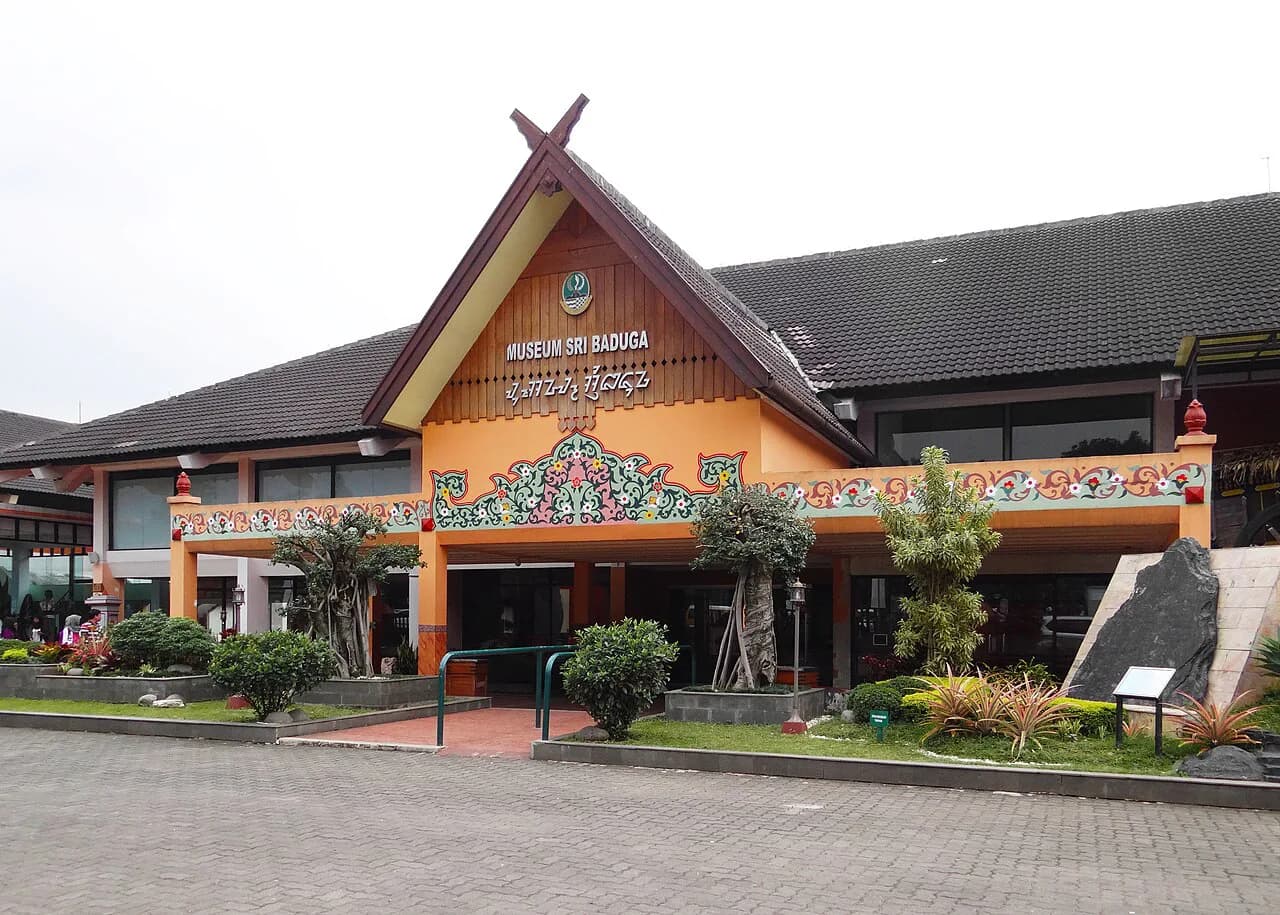
The building is itself part of the exhibit: it began as the Kawedanaan Tegallega district office, and the old structure has been kept as a heritage building while the collections fill three floors around it, according to the museum profile on the Indonesian Museum Association site. If you want the wider picture of what else the city offers, browse the Bandung Attractions: 13 Visitor Guides before you commit a slot in your day.
What Museum Sri Baduga is and who it suits
This is the provincial museum of West Java, renamed Sri Baduga after a title held by a Pajajaran king who ruled in the late fifteenth and early sixteenth centuries, the association's museum profile notes. Its subject is the Sundanese world, from prehistory to the modern era, rather than the city of Bandung alone.
It suits travelers who want context for what they have seen elsewhere in West Java: the stone sculpture, the adat dress, the instruments that keep turning up in Sundanese art. It suits less well anyone hunting for interactive displays, big dioramas or a rainy-day play space, because the format here is glass case and label.
One distinction worth holding in mind: the museum carries the name of a Pajajaran royal title, and local write-ups sometimes tie Sri Baduga to Prabu Siliwangi, the legendary Sundanese king. Treat that as a traditional association rather than a settled biography, and let the labels speak for the objects.

Where it is: Jalan B.K.R. across from Lapangan Tegalega
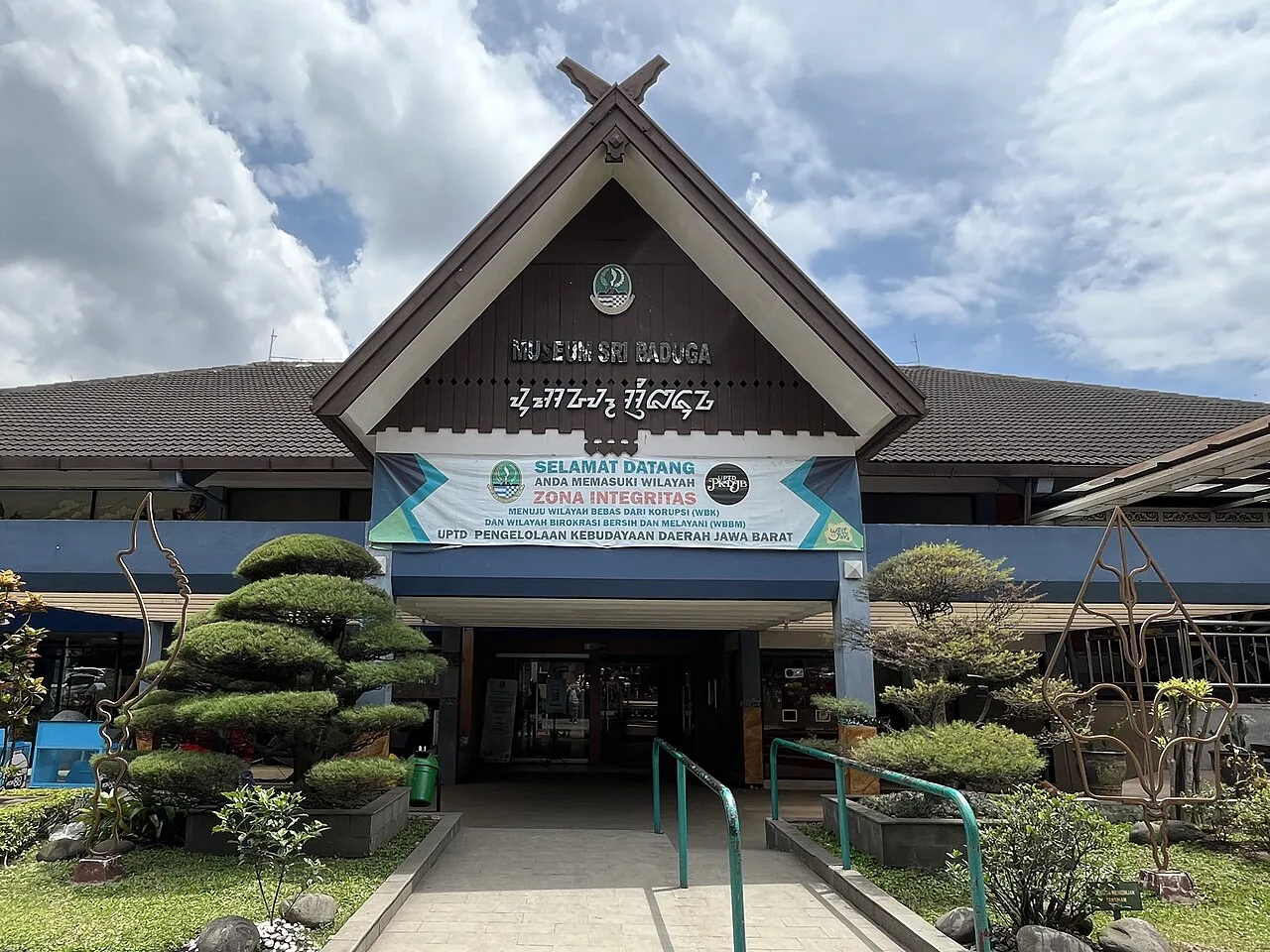
The address is Jalan B.K.R. No. 185, Pelindung Hewan, Astanaanyar, Bandung, and the profile notes the street was formerly Jalan Oto Iskandardinata No. 638. Your landmark is Lapangan Tegalega: the museum faces the Bandung Lautan Api monument across that open field.
Astanaanyar sits south of the city center, so the trip from the northern hotel districts is a real drive, not a stroll. Ask your driver for Lapangan Tegalega rather than the street number if language is an issue; the field and monument are easier to spot than a small sign.
The museum profile lists a telephone and fax for the museum, plus an older museum website, which is where inquiries about current conditions belong. Use that contact route rather than a map pin alone, since listings for museums go stale quickly.
How to get there: angkot, ride-hailing and parking
A local guide to the museum gives the simple public-transport answer: an angkot on the Kalapa–Elang route passes in front of the building. Ride-hailing apps show direct routes to the site, and there is parking in front of the museum for anyone arriving by car.
For a one-way visit, a ride-hailing car is the least fiddly option, especially if you are coming from the north of the city near Jalan Diponegoro. Taking an angkot costs far less and is worth doing if you want to see how the city moves, but you need to recognize the Kalapa–Elang corridor and be ready to tell the driver Tegalega.
Parking in front is useful, but allow ten minutes of slack into your plan and you won't be watching the clock from the entrance.
The building itself: a former Kawedanaan office kept as heritage
The museum was established in 1974 on land that had been the Kawedanaan Tegallega office, and the old district building was retained as a heritage structure now used for administrative space. The museum proper was inaugurated on 5 June 1980 by the Minister of Education and Culture, Daoed Yoesoef.
In 2002 the state museum of West Java was handed from the central government to the provincial administration and became a technical unit under the West Java tourism and culture office. That history of reassignment explains why tourist information for the museum varies in quality depending on the publisher.
Inside, the displays run chronologically over three floors, so you can climb rather than wander. Go straight up and work down if you want the oldest material first, or take the ground floor first if you prefer to finish with the colonial-era rooms.
Floor 1: prehistory through the Hindu-Buddhist era
The first floor covers prehistory to the Hindu-Buddhist period, with fossils, stone artifacts, early sculpture and inscriptions found at sites across West Java such as Garut, Ciamis and Sukabumi. For a visitor who has just come from temples on Java, this floor is where the region's older layers start to make sense.
Target a few named pieces so the room doesn't blur: a Lingga-Yoni, the Arca Siwa Mahadewa and the Prasasti Cibadak. These are the kind of objects you might otherwise walk past, and they reward a slow loop before you head upstairs.
Lighting is gentle here, which is kind to old stone but hard on photography; expect dim corners and reflections in glass. Read the labels as you go rather than saving them for later.
Floor 2: traditional Sundanese life
The second floor is the most human gallery: farm tools, household equipment, adat dress and a miniature Sundanese house setting out domestic life and folk arts. This is the floor to slow down on if you care about how people actually lived rather than dynastic chronology.
The collection runs to more than six thousand objects across the museum, and the textiles and instruments on this floor are the easiest to connect to things you'll hear and see in Bandung. If you plan to catch a wayang golek performance or buy an angklung, this is a useful primer.
If quiet is the point of the visit, aim for a weekday and accept that your own pace may vary with tour groups and school outings.
Floor 3: colonial era to modern times
The top floor carries the narrative from the colonial period into the modern era, including the Sundanese resistance and collections of currency and stamps from different periods. Some visitors find this the least visual floor; it works best as a short close rather than a second main course, and it is the one to cut short when the clock runs out.
Collection highlights worth hunting down
Two prehistoric stones anchor the early gallery: Batu Dakon, associated with ritual use and veneration of ancestral spirits, and Batu Lumpang. Look for them early, because they are modest in size and easy to miss among the larger sculpture.
On the music side, the museum holds angklung, kecapi, tarawangsa, suling, karinding and kendang, with angklung framed as an instrument of harmony because it needs a group to sound right. Dress is represented too, from kebaya and pangsi to totopong and batik shawls, so you can place the clothing you see at ceremonies and weddings.
The museum's social account invites weekend visits and points to a link in its Bio for the visiting schedule; treat any event programming you read about months ago as unconfirmed until the museum reconfirms it.
How long to allow, and how to pace the visit
Budget 90 minutes to two hours, and add half an hour if you read every label and linger over the inscriptions. A 60-minute run-through is doable but leaves you skipping the second floor, which is the part most people remember.
A sensible order is ground floor, second floor, brief stop on the third, then a look at the heritage office building before leaving. That sequence keeps the strongest material while you still have energy and ends on the lightest floor.
The museum sits across from an open field, so a visit combines naturally with a walk around Tegalega. If you want a second attraction on the same trip, a taxi to Braga Street (Jalan Braga) in Bandung takes you into the old commercial quarter and its colonial facades.
Tickets, opening hours and closures
Neither the museum profile nor the city's own page publishes current ticket prices or daily opening hours, so check directly before traveling. The museum's contact details are published on the association profile, and its social account directs visitors to a link for the visiting schedule.
One commercial travel listing shows the museum as temporarily closed with hours listed as to be determined. Treat that as an unverified directory entry rather than a confirmed closure: contact the museum or the provincial culture office for the current day and time before you set out.
The city government's page on the museum describes it as a place to learn about Sundanese culture, but it does not state hours or ticket costs either. That means one phone call or message is the difference between a planned visit and a locked door, so make it the morning before you go.
What is nearby around Tegalega
Lapangan Tegalega and the Bandung Lautan Api monument are literally across the road, making a short outdoor stop an obvious pairing. The field is also a useful orientation point for taxis and angkots, so note it as your pickup landmark.
For a museum double-header, the Museum Konferensi Asia Afrika in the city center covers the 1955 conference and is a short drive north. Farther north, Gedung Sate on Jalan Diponegoro gives you an architectural anchor for the rest of the day.
If West Java's military history interests you more than Sundanese material culture, the museum Mandala Wangsit Siliwangi is the dedicated alternative. Pick one, not both, unless you have a full day to give to Bandung's museums.
Who should skip it
Skip Museum Sri Baduga if your Bandung stop is one day and you want scenery, food and shopping rather than cases of artifacts. The museum rewards curiosity about Sundanese history and delivers little spectacle.
It is also a poor fit if you cannot confirm it is open on your dates, given the conflicting signals in published listings. In that case, spend the time at a site with published hours and come back when you can verify the museum's schedule.

Is Museum Sri Baduga worth a slot in your Bandung days?
Yes, if you want a compact, chronological introduction to Sundanese culture and have two hours to spare on the city's south side. No, if you are squeezing Bandung into a single day or need guaranteed opening times you cannot confirm.
The practical move is to message or call the museum the day before, plan a ride to Lapangan Tegalega, and give the second floor most of your time. Pair it with the monument across the field, or with the Museum Konferensi Asia Afrika if you are building a museum day.
Explore more Bandung guides
Frequently Asked Questions
Is Museum Sri Baduga free to enter?
Published sources do not give a current entry price, so a free-admission claim cannot be confirmed either way. Contact the museum using the phone number listed by the Indonesian Museum Association, or check its social account, before you count on any price.
How much is the entrance ticket to Museum Sri Baduga?
No current ticket price is published in the sources reviewed here. Ask the museum directly when you confirm opening times, and carry cash in Indonesian rupiah as a sensible default for small museum counters.
What time does Museum Sri Baduga open and close?
Current daily hours are not published in the sources reviewed, and one travel listing shows the hours as undetermined. Confirm the day's schedule with the museum before traveling across the city.
Is Museum Sri Baduga open on Sundays?
Sunday opening is not confirmed by any published source here, even though the museum's social account invites weekend visits. Treat a weekend visit as likely but unconfirmed and verify directly before you go.